- Premium Content It takes our newsroom weeks - if not months - to investigate and produce stories for our premium content. You can’t find them anywhere else.
 Roehl Niño Bautista · · 9 min read
Banking on a digital remedy in the Philippines
After finishing her undergraduate degree, Christina Quiambao landed her first job. But to start working as a media writer, she had to sign up for a payroll account with her employer’s designated bank.
“It took quite some time before [the bank was] able to start with the process… Eventually, they told me to come back in a week to get the physical card and activate it,” she tells Tech in Asia.
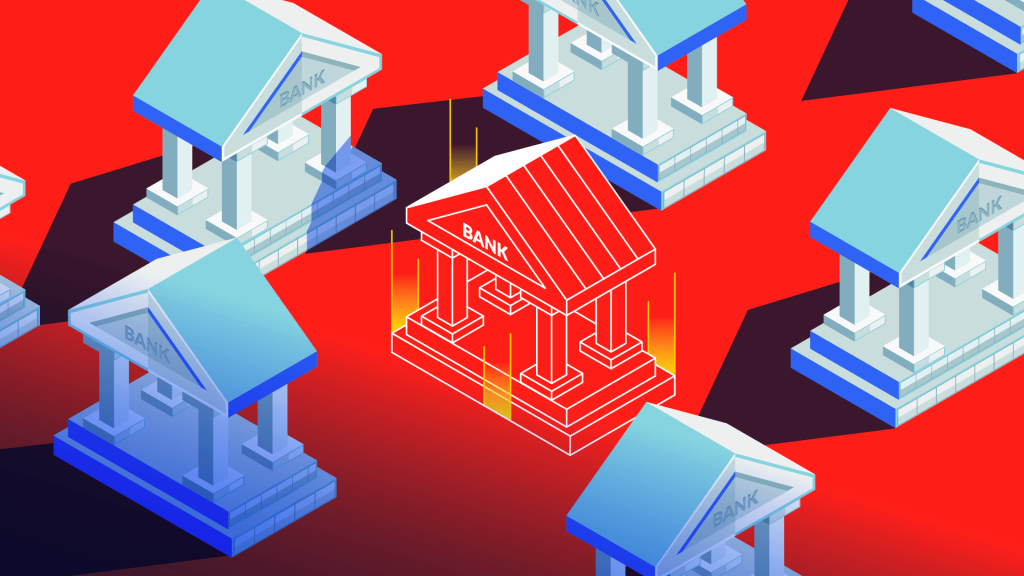
Image credit: Timmy Loen
While this is a typical requirement for new employees in the Philippines, it has been more than a year since the deadly Covid-19 pandemic forced the country into one of the longest lockdowns in the world. Vaccination drives generally prioritized frontliners and health-compromised individuals, while dose availability was an issue.
“I was terrified because I was exposing myself to Covid-19,” adds Quiambao, who was not yet vaccinated at the time.
The difficulty of opening a bank account is one of the reasons why there are 36.9 million unbanked Filipinos – roughly 47% of the country’s adult population – as of the second quarter of 2021.
While 37 banks already incorporated electronic onboarding capabilities as of Q2 2021, some – like the one Quiambao had to sign up with – still required personal appearances to open an account.
The entry of six digital banks in the Philippines is expected to solve this problem, as well as other issues that users encounter at traditional banks in the country.
The Philippines’ central bank, Bangko Sentral ng Pilipinas (BSP), defines a digital bank as an institution offering financial products and services that are “processed end to end through a digital platform and/or electronic channels with no physical branch/sub-branch or branch-lite unit.”
But the path for Philippine digibanks may not be a smooth one.
Challenges ahead
Digital bank executives who spoke to Tech in Asia pointed to the current state of internet connectivity in the Philippines as an issue that’s beyond the control of financial institutions.
Because digibanks don’t have a physical branch, customers can only connect with them online, making it harder for those outside big cities to access their services.
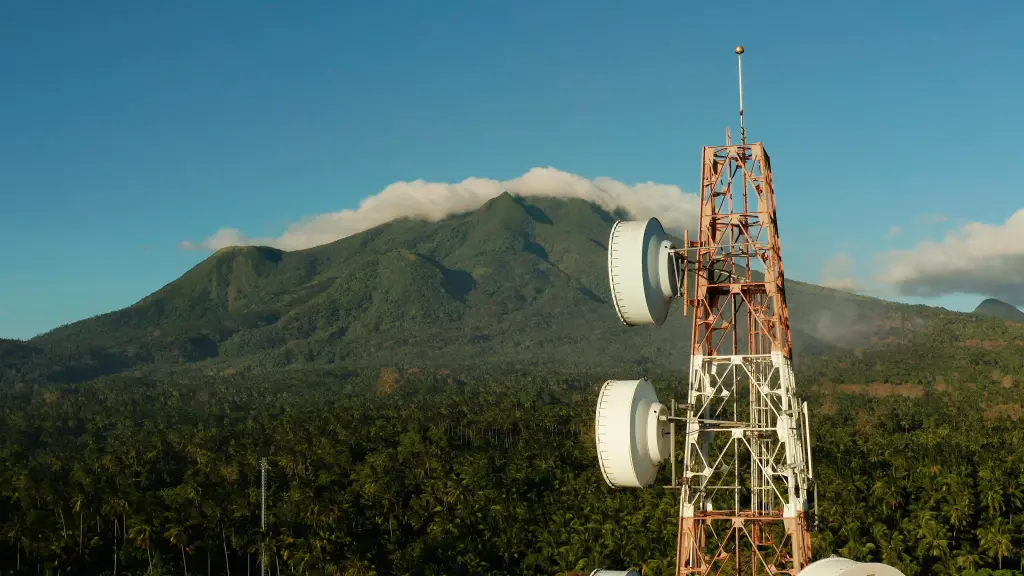
A telco tower in Camiguin, Philippines. Internet connectivity outside the national capital region still leaves much to be desired, especially in terms of mobile internet stability. Photo credit: 123RF.com
Six is not a crowd
Digital remedy for traditional banking pains
Stay ahead in Asia’s tech landscape
This is premium content. Subscribe to read the full story.
Digital bank licenses were granted to six players in the Philippines, where banking is slow and inaccessible. But can the newcomers fix this pain point?
We know this is not ideal. ⌛ Sign up in 20 seconds. Cancel anytime.
Our subscriber community includes professionals from these companies:





Stay updated on the go with our mobile app.
Get latest insights with smoother, more personalized experience through TIA mobile app.