Nivedita Bhattacharjee · · 3 min read
How groundwater depletion led to the world’s first edible spoons
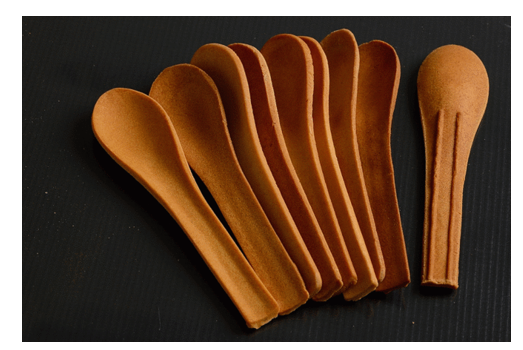
Edible spoons. Photo credit: Bakey’s.
Narayana Peesapaty, a student of the Indian Institute of Forest Management, was worried about massive depletion of India’s groundwater levels.
He decided to dig into the reasons at a local level, and figured that a massive cultivation of rice was partly to blame. As more Indians shifted from local “poor man’s grains” like millet to gentrified versions of rice, farmers were under pressure to produce more and more, digging into aquifers and natural groundwater reserves.
“Groundwater is meant to be supplemental, for emergencies. Using it for regular cultivation is like drawing into your savings to pay everyday bills,” Narayana told Tech in Asia.
He said he knew that one way to tackle this problem was to make cultivation of crops like Sorghum, which use less water than rice, lucrative again.
“But one cannot just issue a diktat to farmers. In the market there has to be a value proposition for it.”
It was during those days of brainstorming on how to make millet fashionable again that Narayana noticed how versions of rotis – that staple bread in Indian households – when made from millets, were still edible, but could harden so much they were almost okay to be used as a ladle.
“That gave me the idea of edible spoons,” he said, going on to found Bakeys, the world’s first edible cutlery company.
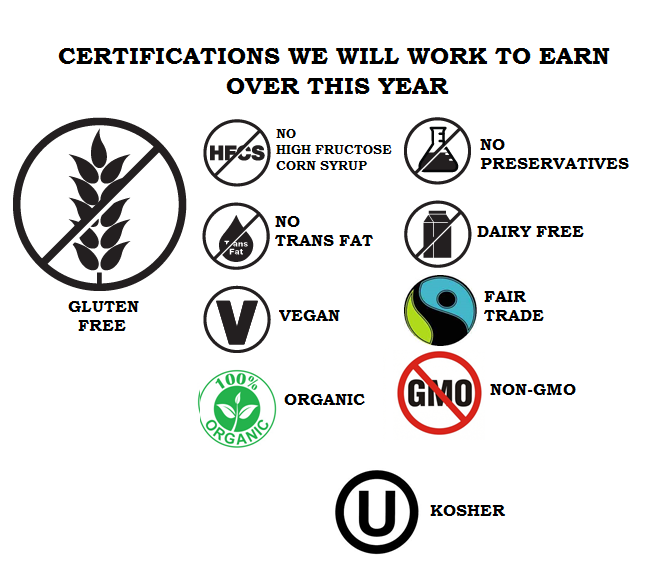
Graphic from Bakeys.
Others have tried cracking this sector before. However, products are either not launched yet, or entrepreneurs haven’t been able to figure out how to make them storage friendly and scalable.
Bakeys has its factory in the southern Indian city of Hyderabad, and uses three flours – rice, wheat, and sorghum – to make spoons in sweet, plain, and savory versions.
The company largely uses a millet base for its spoons because the crop requires about 60 times less water to cultivate than rice, Narayana said.
The bigger objective is to make millet cultivation lucrative gain by creating a market for it. That, in turn, could reduce farmers’ dependence on rice, he said.
He only sells spoons thus far, which are made with no preservatives, and if kept away from water or moisture, can have a shelf life of almost two years, he claimed.





Stay updated on the go with our mobile app.
Get latest insights with smoother, more personalized experience through TIA mobile app.