Josh Horwitz · · 2 min read
Alibaba-backed Visualead rolls out new dotless QR codes that aim to reduce counterfeiting
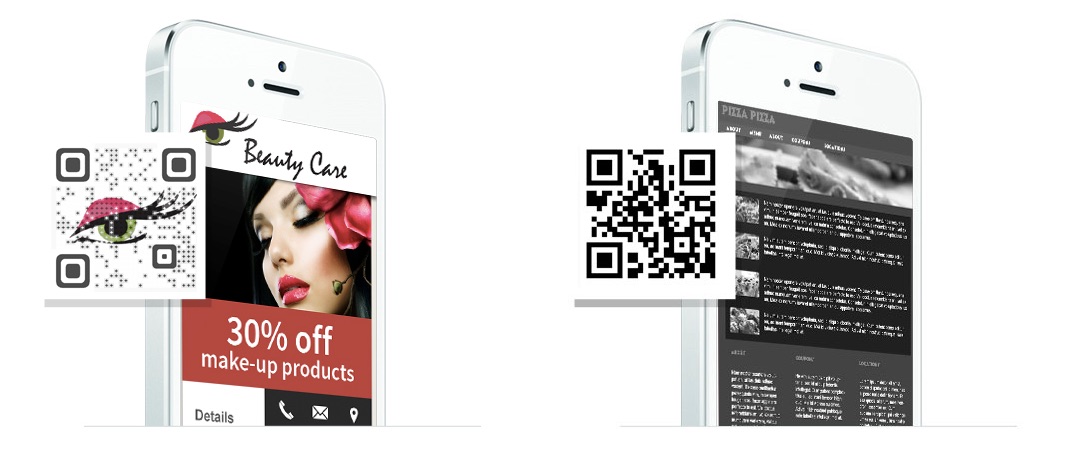
In January, Alibaba disclosed its investment in Visualead, an Israeli startup that helps brands make colorful, visually appealing QR codes. While the company’s product was cute, its value to Alibaba is growing clearer now that it has revealed a new QR code alternative that aims to prevent counterfeit sales.
Alibaba is using Visualead’s technology to power Blue Star, a new tool that prints out individual, scannable codes for individual packages. When scanned using the mobile app for Taobao, an image appears confirming (or denying) the product’s authenticity. Brands can choose from a set number of templates to customize these landing images and throw in links to promotions or e-commerce pages… perhaps ones that are on an Alibaba property, wink wink.
Visualead co-founder and CEO Nevo Alva tells Tech in Asia that Alibaba only opens Blue Star to genuine brands. That means Nike can sign up, but FakeNikes.com will get turned away. Alva also adds that Alibaba is providing Blue Star free-of-charge for the time being, irrespective of where the goods will be sold. That means that Nike can pin the codes to packages that will go to an Alibaba competitor.
Below is a screenshot of an image confirming the authenticity of a box of Rocher Chocolates.

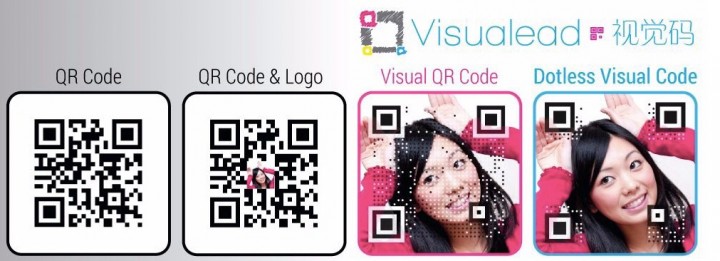
Visualead is concurrently announcing the launch of a dotless scannable code. Whereas the company once only generated QR codes with the usual checkerboard superimposed over an image, brands can now print images that look a little cleaner.
Will these QR codes really curb counterfeit sales on Taobao and Tmall? Fake goods are a systemic problem in China that’s tough to crack down. Alibaba, meanwhile, is a routine target for lawsuits alleging it knowingly facilitated the sale of these fake goods – it’s currently fighting off claims from Gucci and others. Investing in trackable, scannable codes like these these might help put consumers at ease. But just as importantly, they give Alibaba’s lawyers a few extra talking points.





Stay updated on the go with our mobile app.
Get latest insights with smoother, more personalized experience through TIA mobile app.