 Malavika Velayanikal · · 3 min read
Will Indians have to pay for making calls over Skype and WhatsApp within the country?
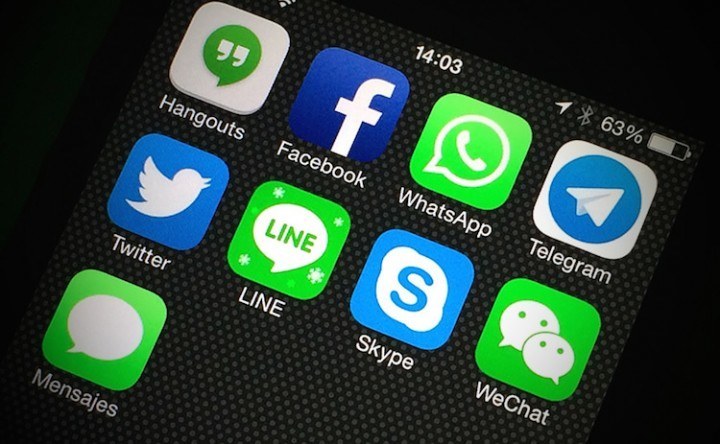
An Indian government panel has proposed that internet calls over apps like Skype and WhatsApp be treated on par with phone calls. But in a strange dichotomy, it says only domestic internet calls should be regulated, and not messaging or international VoIP calls.
The popularity of apps like Skype, and others, where users can text or make calls without having to pay extra money, has long been a thorn in the side of telecom carriers, who say these services use their infrastructure to make money.
Last year, leading telco Airtel tried to slap extra charges on these so-called over-the-top (OTT) services. This drew protests from the tech community who pointed out that consumers were already paying data charges on these calls.
Telecom companies then took the issue to the Telecom Regulatory Authority of India. The government then set up a committee to go into the whole issue.
The tech startup community is worried because extra charges could affect a host of apps and sites, like WhatsApp and Hike, Twitter and Facebook, Skype and YouTube, Uber and Ola, Amazon and Flipkart – in other words, everything that’s drawing millions of Indians to the internet. Although the panel has only proposed that domestic internet calls be regulated, it could open the Pandora’s box to connectivity charges on other services as well.
(Pls RT)
To all journos reporting on DoT report, they have NOT supported Net Neutrality. Please see summary: pic.twitter.com/8TtD9Adn8B
— Nikhil Pahwa (@nixxin) July 16, 2015
Telcos claim their traditional revenue streams – calls and SMS – are drying up, and they need a booster for investing in telecom infrastructure. Activists point out that revenue from data charges is swelling, compensating for any slowdown in other areas. Letting them slap an additional fee on services that use the internet to reach their users will destroy the internet as we know it, favor large companies with deep pockets, and ground a fledgling startup industry that is giving wings to Indian entrepreneurship and innovation.
“Till now the internet has been a level playing field and has worked on the principle that all data no matter who generates it or where it is going has to be treated equally. This generates an environment where SMEs (small and medium enterprises) can compete with global players solely on the basis of the quality of the services that they provide and also on the relevance of their services to the consumer. The absence of net neutrality does away with all of this and allows big corporations to pay the consumer’s internet service provider (ISP) to beam their content at greater speeds than the rest. It also gives the ISPs an opportunity to make profits from both the corporations and also the end consumers,” points out Abhinav Choudhary, co-founder of Indian price comparison site Smartprix.
A positive fallout of all this is that net neutrality has become a buzzword in India. Facebook’s Internet.org initiative has also got entangled with it, with the government panel saying it is assuming the role of a gatekeeper.
The government will take a final call on its committee’s proposals, after getting reactions from various quarters. So make your voice heard loudly.





Stay updated on the go with our mobile app.
Get latest insights with smoother, more personalized experience through TIA mobile app.







📅 Upcoming Events
22 October 2026
Payoneer x CSPN Summit 2026