 Jonathan Chew · · 5 min read
How Asia’s family offices could be a $1.9t play for tech startups

The amount of wealth that the next generation of high-net-worth individuals will inherit is staggering.
According to a report from research firm Wealth-X, US$15.4 trillion will be passed on to the next generation by 2030, with around 12% (US$1.9 trillion) of that figure coming from Asia.
For tech startups, this presents a huge opportunity, as more of these wealthy individuals are setting their sights on direct investments in the sector. Globally, out of the roughly 23,000 venture capital deals made in 2021 up till the end of August, roughly 4.2% of the investments came from family offices, more than double their share from a decade prior.
A new generation
One major reason why family offices are increasing direct investments in tech startups is that there is a rising number of wealthy individuals who come from tech backgrounds themselves, says Christine Ho, deputy global head of FamilyOfficeHK, the family office arm of InvestHK. This makes it easier for them to conduct due diligence and research as compared to other major sectors such as real estate or energy.
“They were born in this tech environment. For them, it’s like being fish in water,” says Ho.
In 2012, 48 billionaires on the Forbes 400 list hailed from tech. By last year, this number had jumped to 80.
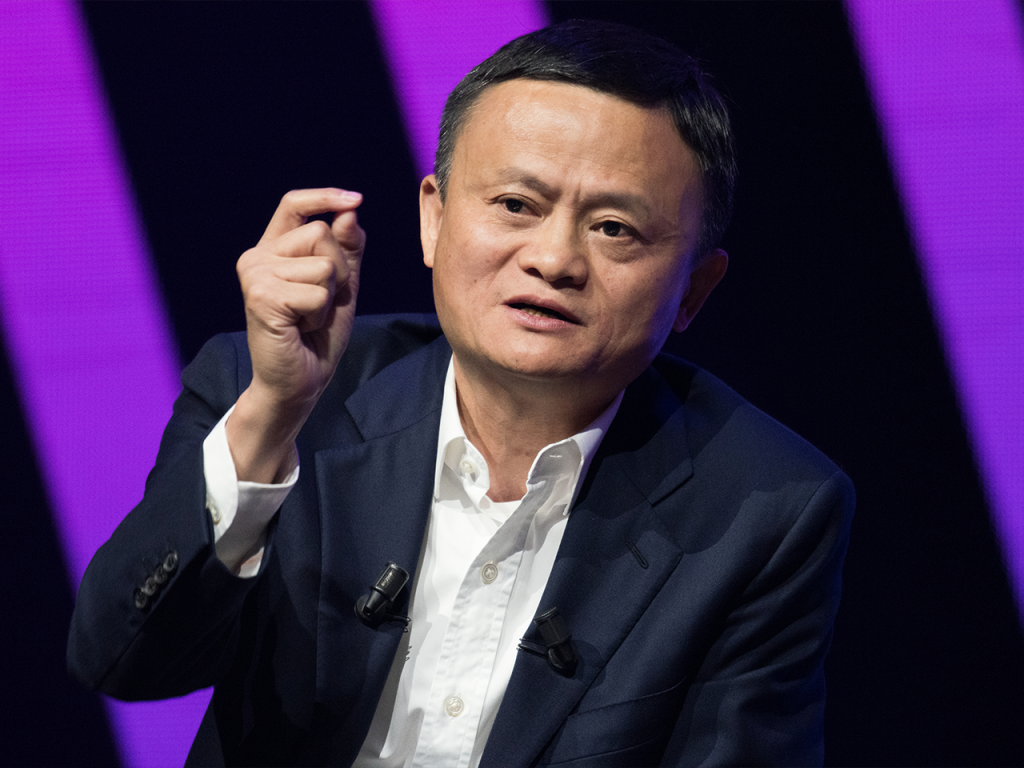
Jack Ma, co-founder of Alibaba Group, currently sits in 67th place on the Forbes 2022 billionaires list / Photo credit: Shutterstock
This phenomenon is especially prevalent in Asia Pacific, which is home to a significant proportion of the growing tech billionaire population. According to S&P Global, the region has around 118 billionaires in the tech and health sectors, making it the largest in the world at roughly 8% of the total global billionaire population. In contrast, the Americas has 7%, and the Europe, Middle East, and Africa region houses 4% of the total.
Additionally, many wealthy individuals that found success through their own tech startups empathize with the journey of young firms and want to help them overcome the same challenges they did, Ho says.
“There’s a sentimental element in that as well,” she shares.
It also doesn’t hurt that many in the younger generation of the ultra wealthy grew up around technological developments, giving them a deeper and more personal understanding of how tech startups can benefit society.
“We’ve started to see what’s the application of technology,” says Joanne Chow, co-founder and director of family office firm desVoeux Partners.
“We’re thinking through how the next generation will use [tech] and how to convert the older generation,” she continues. “You can see what the possibilities are.”
Investing for the future
When it comes to startup investments, many family offices have chosen to focus their efforts on firms that have strong environmental, social, and governance (ESG) principles, Ho notes. As such, verticals like foodtech – with startups involved in developing artificial proteins and alternative meats – have become popular to invest in.
According to a report from UBS in 2020, family offices are planning to increase their allocation to ESG-integrated investments from 9% to 19% by 2025. This would be adopted alongside other strategies for sustainable investing such as exclusion-based screening and impact investing.

Plant-based meats have become a big component in the drive for sustainability / Photo credit: 123RF
According to Ho, ESG has become such a huge consideration because having a social purpose is a positive way to reflect a family’s values and cement their impact on society.
“We call it ‘do good and do well,’ and this is something that helps pass a legacy,” she says.
There have also been some external factors that have encouraged ESG tech investments as well.
Kwan Chi Man, group CEO and co-founder of the Raffles Family Office, highlights how there has been a shift in consumer attitudes toward sustainability, which means that firms with strong ESG principles could fare better and provide even greater returns. Indeed, according to the Economist Intelligence Unit, 73% of investors surveyed said deals with ESG factors have performed better than traditional investments from 2020 up until now.
A regional hub
Within Asia, Hong Kong has emerged as a great place for family offices to start directly investing in tech.
Its government has spearheaded several initiatives and policies, such as the HK$2 billion (US$255 million) Innovation and Technology Venture Fund (ITVF), which it launched in 2017.
For each dollar amount invested in a startup, the IVTF contributes an additional 50%. After the fund sells its share in the startup, 35% of the capital gains is then passed on to the partnered investor, which includes family offices.

On top of that, Hong Kong’s regulations have served to enforce a stronger focus on ESG principles. For instance, the Hong Kong Exchange mandates that listed companies have to produce an annual ESG report.
The government also facilitates networking opportunities to help investors get to know startups better. For example, events such as the StartmeupHK Festival – which features keynote sessions and panel discussions about hot topics in the tech sector – are great at bringing startups and family offices together.
“It’s basically like a highway to tech startups. It’s extremely useful,” Kwan says. “It gives us a chance or window to really get to them in person, and I think that’s great.”
Figuring it out
Over the next few years, as family offices deepen their tech investments, several verticals could see increased focus.
According to Ho, robotics is currently an area of interest. Blockchain, too, will undoubtedly receive more attention from family offices, which could invest in startups developing metaverse platforms or other Web3 solutions, she says.
As time passes, Ho foresees that family offices will eventually figure out how to best fit themselves into the tech startup landscape.
“At the moment, family offices are still trying to understand and have their own philosophy of how they should invest in startups,” she says. “At some stage, I think family offices will have their own way of investing through venture capital.”
Currency converted from HK$ to US$: HK$1 = US$0.13
The annual StartmeupHK Festival supports and showcases Hong Kong’s startup ecosystem and connects it to the world. This year’s edition is guided by the theme “A Future Unlimited” and will take place from September 5 to 10. The event will feature seven main programs including keynote speeches, panel discussions, exhibitions, investor matching, hackathons, and job fairs around hot topics such as proptech, healthtech, the metaverse, GameFi, sustainability, the Greater Bay Area, and more.
To find out more about the event and register for it, visit this website.
This content was produced by Tech in Asia Studios, which connects brands with Asia’s tech community. Learn more about partnering with Tech in Asia Studios.
Stay updated on the go with our mobile app.
Get latest insights with smoother, more personalized experience through TIA mobile app.
Recommended reads
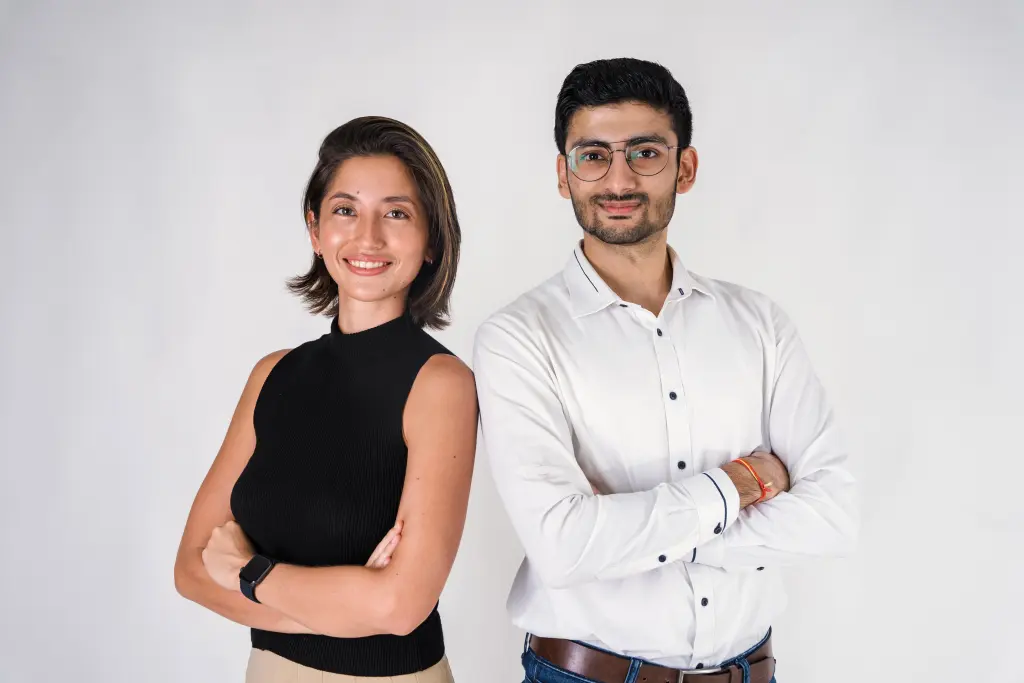 Carousell co-founder backs $1m round of SG edtech firm
 Wavemaker names ex-Google, Facebook exec as general partner
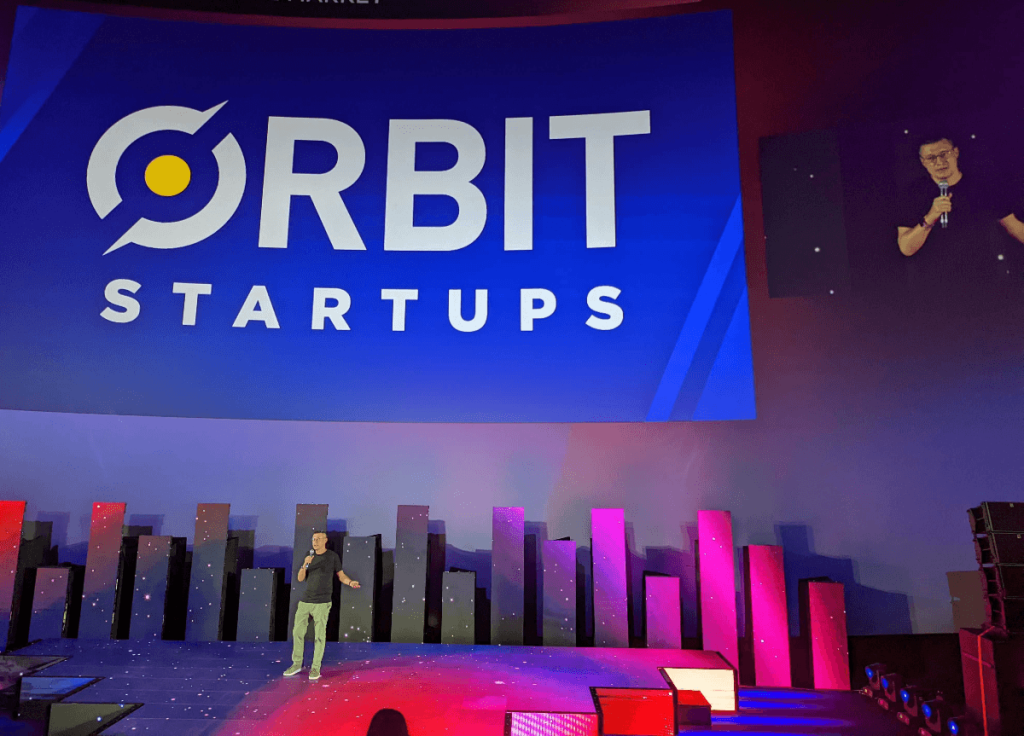 New SOSV program announces inaugural cohort
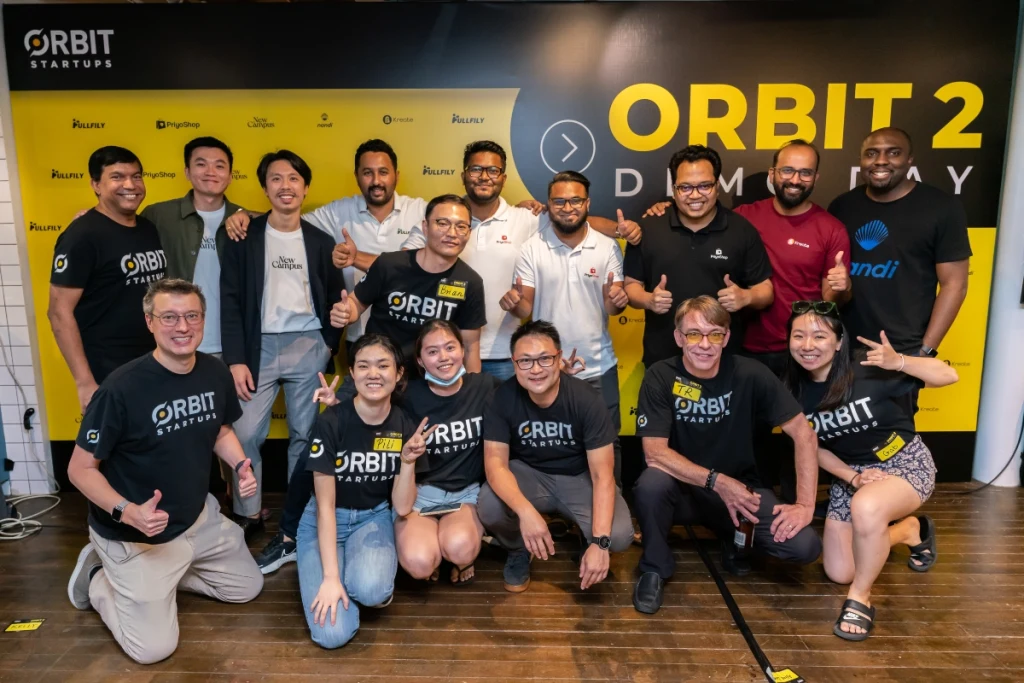 SOSV backs 5 startups as part of latest Orbit cohort
 Indonesian property rental startup lays off employees
 SG’s Spenmo joins 4 YC alums to help SEA startups scale
 SCB 10X names new CEO, COO
 Sequoia India’s Surge backs $14.3m series A round of Vietnamese edtech firm
 Google to select up to 15 SEA, Pakistan firms for accelerator
 Indian upskilling firm secures $2.7m in Kalaari Capital-led seed round





Editing by Winston Zhang and Jaclyn Tiu
(And yes, we’re serious about ethics and transparency. More information here.)




📅 Upcoming Events
22 October 2026
Payoneer x CSPN Summit 2026