Nikita Peer · · 5 min read
This Indian 23-year-old built an Uber for home appliance repair, and has Housing founder’s backing
When Ahmedabad resident Harmin Shah moved to Mumbai last year, the AC at his rented apartment kept giving trouble. The local repairers couldn’t fix it because they aren’t equipped to keep up with the growing complexities and sophistication of electronic appliances. Shah had to seek help from an authorised professional which involved calling and listening to an annoying series of dialer notes before booking a visit and then waiting three days for help.
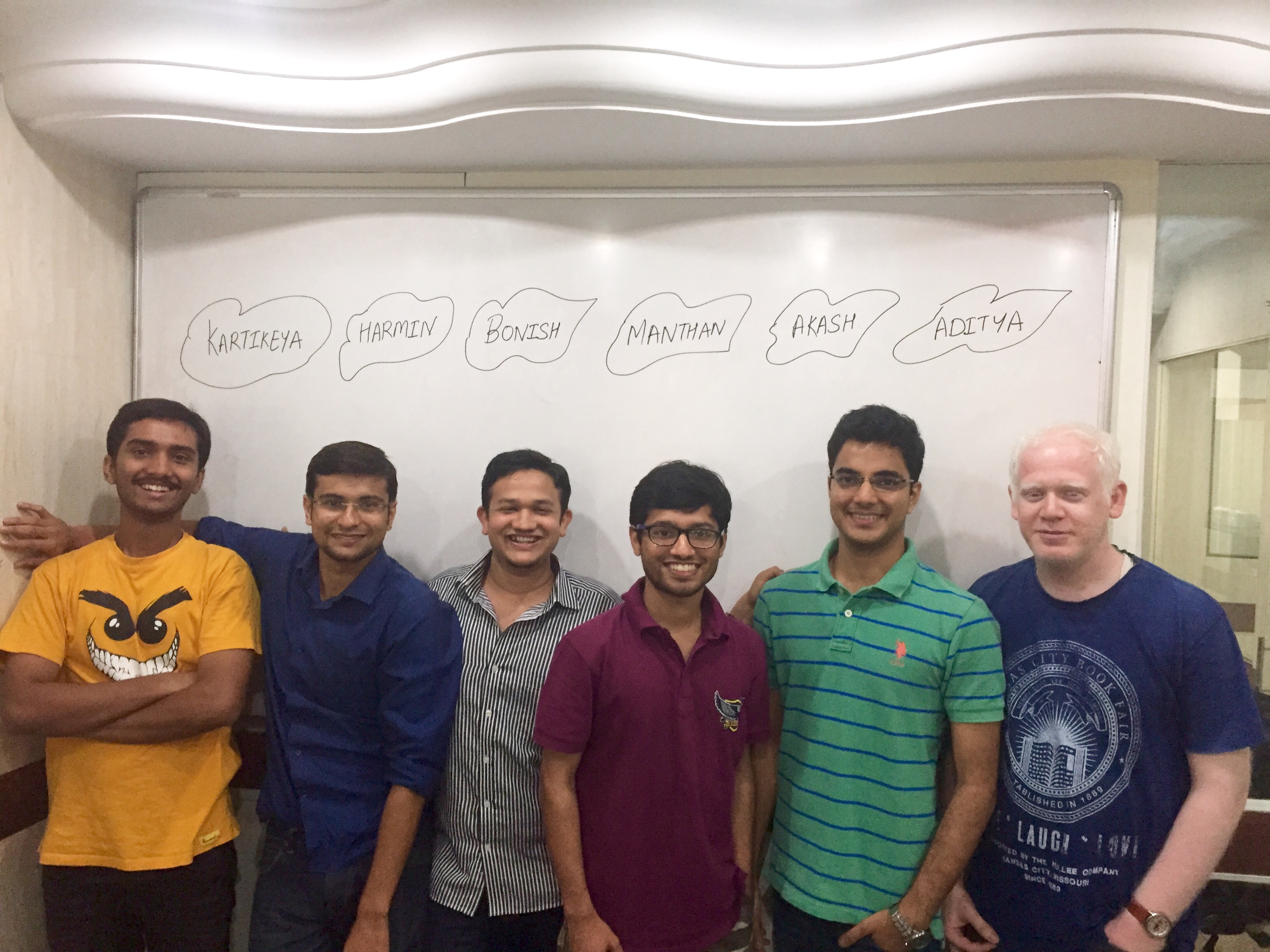
This prompted Shah to give electronic appliances repair service a makeover through his Uber-like app HandyHome that connects users with brands’ authorised service centers. His flatmates – Kartikeya, Bonish, Manthan, Akash, and Aditya – were also witness to ignorance of local repairers and inefficiency of brands and so they quickly joined hands to tap into the opportunity.
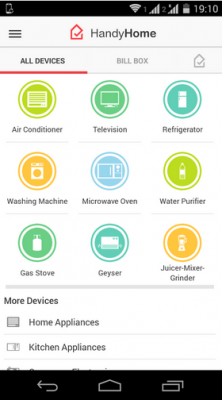
So now when the fridge decides it’s too cool to be cool on the day there is a party and a fridge full of drinks, you can go to Handyhome, select the appliance, brand, and sub-category (for example, single/double door) from a drop down menu and fill in personal details. Then you can schedule the service at a time that is convenient for you. The app also stores all the bills of electronic appliances.
“Finding an electronic repairer by asking neighbors, using the phone book, or googling them is so 2014. With HandyHome, it is a simple ‘click it to fix it’ theory which requires a smartphone and a couple of buttons,” says Harmin.
High adoption
With seed capital of US$15,000, the HandyHome team launched the app in January this year and are already processing 100 requests a day. To get here, the startup mainly used traditional offline channels like using service center executives and retailers for getting users.
“We realized that customers were most concerned about service facility provided by the brand while buying the appliances. So Videocon [the first customer] is advertising the app while retailers ask their customers to use app for ease of booking service,” shares Shah.
But why would retailers do this for HandyHome? “Most retailers in India forward servicing and repair requests [of products in warranty] to brands for no monetary gains. They do it only for customer loyalty. HandyHome provides backend support to them for forwarding requests with few clicks.” It has tied up with local retail chains like Snehanjali, Malaika, and Rahul.
Servicing executives also spread the word on their visits. However, service centers are in remote areas not discoverable places. “One of the service centers was near a public toilet inside a slum. As entrepreneurs we have to crawl through mud to get perspectives,” says Shah.
The tie up with brands is at a central level and the app can cater to requests from anywhere in India. But to get user adoption through retail stores and servicing executives, HandyHome will set up teams in ten cities in six months.





Stay updated on the go with our mobile app.
Get latest insights with smoother, more personalized experience through TIA mobile app.