 Jum Balea · · 5 min read
How the internet saved AirAsia: Tony Fernandes shares lessons from a life in business

The charismatic Tony speaks at Wild Digital 2017. Photo credit: Catcha Group.
Nearly two decades ago, low-cost airlines barely existed. Today, they account for more than half of total capacity in Southeast Asia, allowing many people to fly for the first time. This boom can be traced back to one charismatic businessman: Anthony Fernandes, better known as Tony.
A former Warner Music executive, Fernandes bought then-ailing AirAsia from the Malaysian government for RM 1 in 2001 and turned it into Asia’s first low-cost airline.
From a company with only two jets, 250 employees, and millions of dollars in debt, he has flown AirAsia to new heights – today, it has 220 planes, employs 20,000 people, and carries 65 million passengers annually. AirAsia has been named the world’s top budget airline for eight consecutive years and this year, it became the first such airline to get US authorities’ green light to fly to American airports.
It wasn’t a smooth journey. During a recent fireside chat with Catcha Group CEO Patrick Grove, Fernandes shared some of the valuable lessons he learned along the way.
Leverage the power of the internet and new technology
When he acquired AirAsia, Fernandes admitted he was scared he was going to fail. “I wasn’t scared of failing on my own, I was scared of letting down 250 staff. If we failed then they’d be out of jobs.”
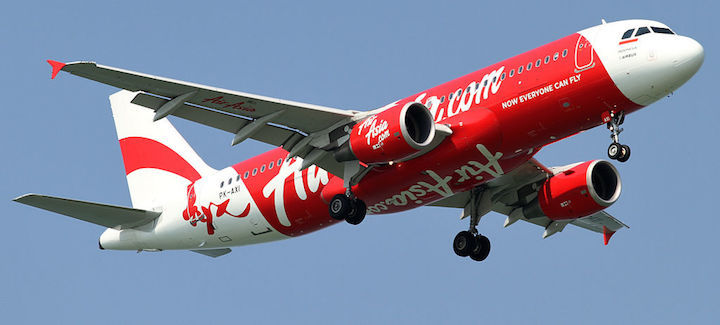
Photo credit: Wikimedia.
Like any firm that’s just starting up, AirAsia always found itself short on cash – Fernandes had to bug his CFO everyday. “I never thought further than the next week because we really didn’t have much cash. We had no experience and we had two planes against much larger competitors. It was scary.”
Fernandes tried to raise money, applying for a mortgage and approaching banks for credit, but to no avail. He was a guy who had just left the record industry and suddenly decided to start an airline; it wasn’t exactly a convincing story.
“The internet was our savior,” he said.
It let AirAsia sell tickets way in advance, giving it cash to roll until it grew big enough to get approved for a loan.
It also allowed the company to sell tickets directly to customers, skipping traditional distribution channels and cutting costs.
Fernandes said ecommerce now accounts for a large percentage of AirAsia’s business, earning the company a little more than US$1.5 billion in revenue last year.
Build a good product people will buy
Look where no one else is looking
Chances don’t come often. Grab them





Stay updated on the go with our mobile app.
Get latest insights with smoother, more personalized experience through TIA mobile app.









📅 Upcoming Events
22 October 2026
Payoneer x CSPN Summit 2026