
Photo credit: daizuoxin / 123RF.
China’s healthcare system is riddled with challenges. In public hospitals, where anything from cancer to colds is treated, patients often queue for hours before seeing a doctor. Some physicians handle 70 patients a day. While private institutions might have smaller caseloads, they have issues of their own.
“Private for [Chinese consumers] isn’t associated with good quality care because you have […] local private operators who have bad reputations,” explains Sebastien Gaudin, CEO and founder of The CareVoice, whose service offers reviews and ratings of different healthcare institutions.
“At the same time, you have international ones – the first ones who came [to China],” he says. “It’s very, very expensive.”
Over the past decade, China’s private healthcare industry has grown steadily and rapidly, thanks to policy reform and an influx of private capital. According to consulting firm Deloitte, the number of private hospitals in China doubled between 2008 and 2013, constituting almost half of the country’s hospitals in 2014. However, they only see 10 percent of the country’s patients, undershooting the Chinese government’s goal of 20 percent market share by a wide margin.
Sebastien believes that’s mainly due to high prices and a lack of transparency around quality of care. Some healthcare services have serious conflicts of interest with hospitals and doctors, and take consultation or referral fees, he says.
“They need each other to operate their service,” he says. “It’s just the business.”
Earlier this year, for example, scandal rocked China’s private healthcare industry when Wei Zexi, a 21-year old college student, died after undergoing an unproven cancer treatment advertised on Baidu. The hospital where the college student was treated turned out to be part of an opaque and corrupt network of private hospitals.
The CareVoice wants to offer a more independent service by working with insurance providers and corporations instead. Insurers and employers pay for yearly subscriptions to The CareVoice’s app, which reviews and rates various preventive care services at premium hospitals and clinics. Reviews come from patients, who can leave comments and rate services via the app. Users that have been subscribed can also access other information about services, like their costs, depending on what kind of insurance they have.
A one-year subscription costs on average US$36 per user, though prices vary across different insurers and employers, says Sebastien.
“They can improve the productivity of their employees,” he explains, referring to companies that subscribe. “Because it’s more efficient to access care, people are quicker, are in good shape, [and] they can do preventive steps. And we lower costs also for insurance employers because of these elements.”
The startup also incorporates patient reviews from other healthcare platforms – such as WeDoctor (previously Guahao) – as well as insurance claims into their ranking system. In the future, The CareVoice plans to add more data points to its ranking system, such as university rankings and international accreditation.
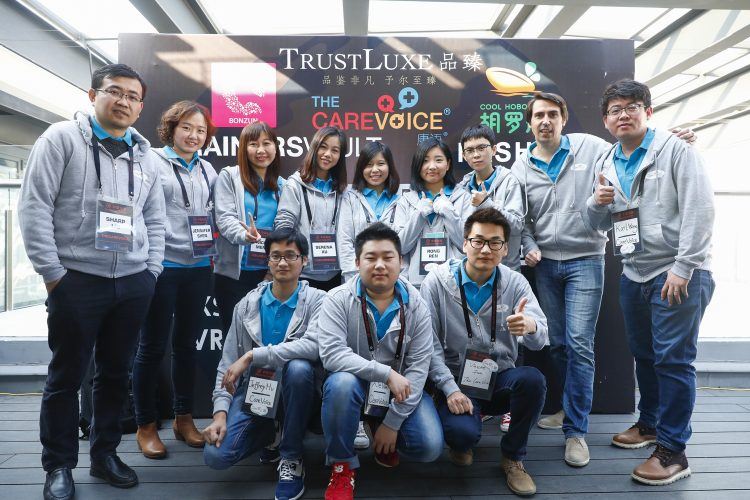
The CareVoice at Chinaccelerator’s demo day. Photo credit: Chinaccelerator.
Premium pays





Stay updated on the go with our mobile app.
Get latest insights with smoother, more personalized experience through TIA mobile app.