- Insights This article was written by a TIA community member. Insights pieces undergo the same rigorous editorial process that newsroom-produced articles have.
 Aidil Zulkifli · · 4 min read
Opinion: Indonesian online lending is a tragedy waiting to unfold
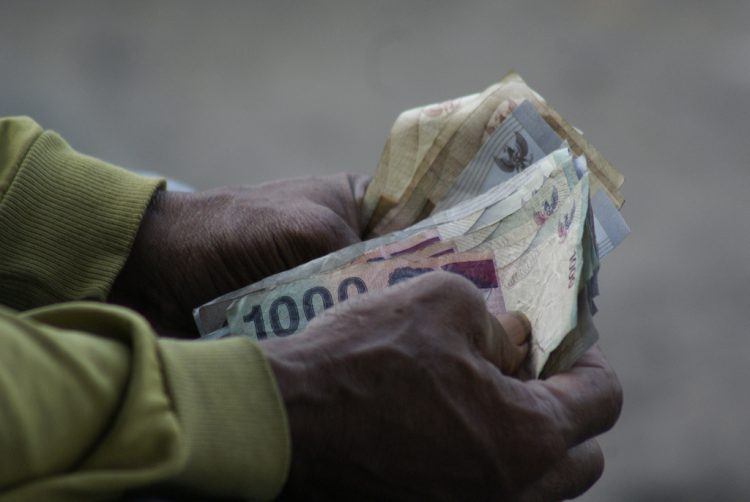
Photo credit: Farhan Perdana
Generally, 2017 has been a good year for fintech and online lending in Indonesia and most of Southeast Asia.
According to CB Insights, there were only three fintech deals in 2014 in Indonesia. The number rose to 11 in 2015 and increased to 21 in 2016. It is expected to rise to 53 in 2017.
The value of fintech deals reached about US$3 billion in 2017 in Indonesia alone. While this pales in comparison to fintech deals in China and the West, such traction bodes well for the future of fintech in Indonesia.
Boom and bust
Heading a pioneering fintech lending company in Indonesia (my company, UangTeman, started in April 2015), I‘ve seen the development of the nascent industry since its birth. As much as I am excited about the fast growth of fintech lending in the country, I worry about its future too.
If history is a good teacher, it teaches that the space is embarking on the same trajectory as that of the US, the UK, and China. The problem is that everyone is giddy with the industry’s boom but forgets about its bust phase.
My thesis is that this phase will come faster than expected, resulting from higher non-performing loans (NPLs) and eventual consolidation of the industry. The situation will be exacerbated by the influx of low–cost capital from foreign (and local) investors who may not be acquainted with the unique risks of fintech lending in Indonesia.
The country has seen its first wave of fintech lenders. It has benefited from exactly the same kind of unsustainable trends that the US (with online lenders like LendingClub, OnDeck, and Prosper) have seen. These trends include:
- A low–yield environment within Asia in general
- A robust credit environment with historically low defaults (but this has been changing in the past year in Indonesia)
- Mainstream financial institutions, which are still bearish about making new unsecured loans to consumers
The macroeconomics of household debt poses a worrisome trend too.
Cheap and dumb money
There has been a radical uptick in the past six months from Chinese investors interested in investing in fintech lending in Indonesia. This is a direct result of the clampdown on fintech lending in China and the need to search for yield elsewhere.
The interest rates at the People’s Bank of China have dropped from 6 percent to as low as 2.75 percent over the past five years. Likewise, Japanese investors are searching for higher yield outside of Japan where interest rate is a mere 0.1 percent (Japanese government bonds yield only around 0 percent).
With this background, the strong economic performance of Indonesia (GDP growth at approximately 5 percent), and a large unbanked and underbanked population, it is no surprise that foreign investments are flooding into Indonesia, especially in the fintech space. However, with access to cheap capital flooding the market, there is immense pressure on online lenders to grow faster and more aggressively. Mediocre online lenders will also receive funding.
Conclusion





Stay updated on the go with our mobile app.
Get latest insights with smoother, more personalized experience through TIA mobile app.











📅 Upcoming Events
22 October 2026
Payoneer x CSPN Summit 2026