Michael Tegos · · 5 min read
Iflix launches free video streaming with ads as providers adapt to local market demands
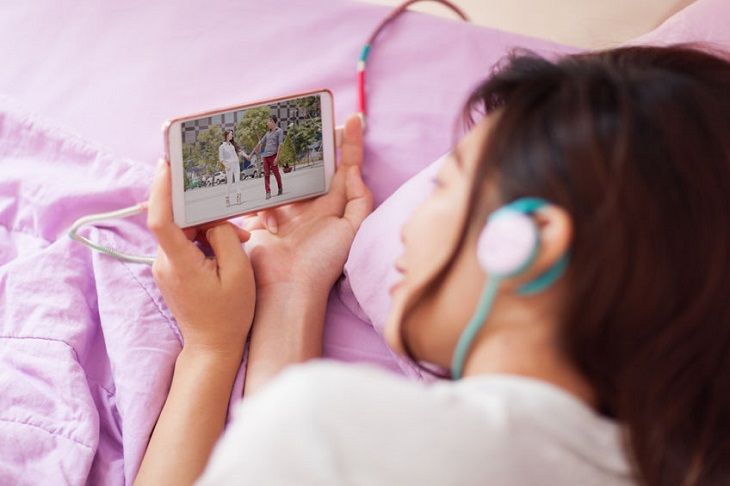
Photo credit: Copyright: gmast3r / 123RF
Southeast Asian video-streaming service Iflix announced today it will offer its users free video streaming that will be supported by advertising. The free tier will be offered alongside current subscription options.
The move comes after the company realized that a purely subscription-based model wouldn’t work in the region.
“When we began Iflix, we naively believed that the Western entertainment model could easily succeed in emerging markets, and that price would be the primary customer pain point,” says Iflix group co-founder and CEO Mark Britt. “Looking back now, we realize how superficial that view was.”
Users subscribing to the free tier will have access to selected pieces of content from the catalog, including Iflix original productions, local and international TV shows, selected episodes and pilots from shows like Dexter, Descendants of the Sun, and short-form videos produced by internal content team Studio 215.
Linear and live broadcasts like free-to-air and pay TV channels as well as live sports events will be available on both free and paid tiers. Iflix says there will be 5,000 pieces of content available for free on the service, and the firm is aiming for 10,000 by the end of the year.
Iflix is currently available to users throughout Southeast Asia (except Singapore), the Middle East, and Africa.
Addressing Southeast Asian market realities
Last week, rival Hooq announced a freemium offering of its own, albeit taking a slightly different path.
Co-owned by Singtel, Sony, and Warner, Hooq announced that it would start streaming free-to-air TV for all its subscribers over its mobile app, partnering with Indonesian channels like Kompas TV, RTV, Metro TV, and more. The free tier also includes the first episode of all local and Hollywood TV shows on its platform.
The traditional monthly subscription model employed by providers like Netflix isn’t well-suited to Southeast Asia, according to Hooq CEO Peter Bithos. “Those Western price points will never scale. [Users] do not have the income stability to sustain that economic model,” he tells Tech in Asia.
Hooq also introduced a flexible payment system: for US$0.15 to 0.25, users can buy a “sachet” of unlimited access to the service’s paid tier for one day. This option was modeled after a regular consumer practice in markets like Indonesia and the Philippines: buying things like shampoo in cheaper, single-use sachets rather than full bottles.
“In order to engage users and keep them on your service, you need to have a value proposition for the days, the weeks, perhaps the months, where they don’t have money,” Bithos contends. “That needs to be clearly different and very compelling to keep them coming back, so when they do have money, they’ll want to spend it with you.”
Hooq is currently rolling out its freemium component in Indonesia, but will eventually expand it to other parts of the region. “We always set out knowing we had to build not only the business, but the business model for Asia,” Bithos says.
The subscription model has not been as successful in Southeast Asia as Iflix and Hooq had initially hoped, points out Aravind Venugopal, vice president of consultancy Media Partners Asia. “They need to tap into that next round of income – and that’s the advertising model,” he tells Tech in Asia.





Stay updated on the go with our mobile app.
Get latest insights with smoother, more personalized experience through TIA mobile app.