- Premium Content It takes our newsroom weeks - if not months - to investigate and produce stories for our premium content. You can’t find them anywhere else.
 Deepti Sri · · 7 min read
How an Animoca game lost 70% of its users after adding KYC
Right from the start, the crypto industry has been built around anonymity. Bitcoin was conceived more than a decade ago by a mysterious figure who went by the pseudonym Satoshi Nakamoto. Over time, however, that guiding principle has been eroded.
Crazy Defense Heroes, a play-to-earn game from Animoca Brands, is the latest in a growing list of crypto projects to add a know-your-customer (KYC) layer to its platform, drawing concerns over privacy from its community of gamers.
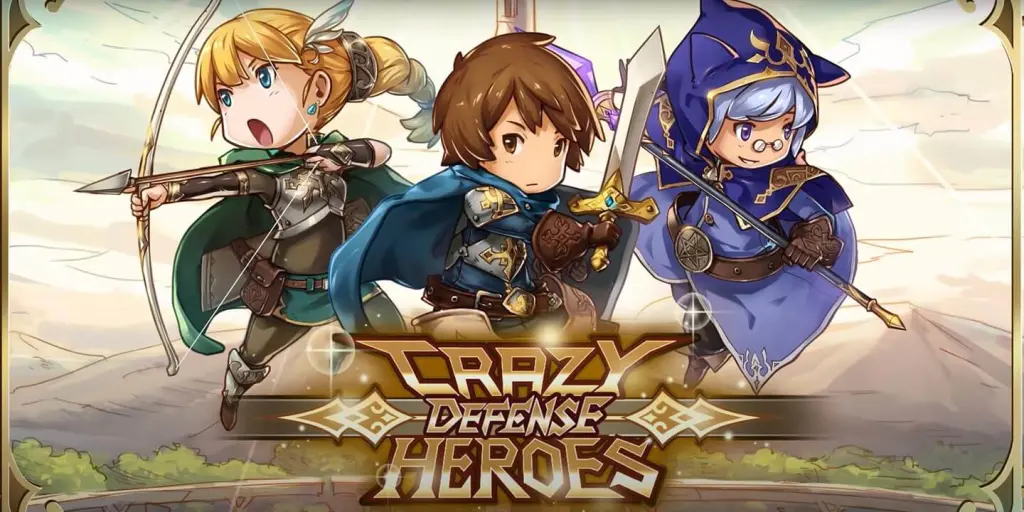
Photo credit: Crazy Defense Heroes
Users of the game have protested the move as the KYC mandate was introduced without warning. While users can still play the game without going through the process, the ability to claim the in-game token, Tower, without verifying their identities is being phased out.
“The documents you’ve requested are too personal. We’ll have to part ways just like this. I regret the decision of your team,” one Crazy Defense Heroes player commented on a Facebook post.
Another player also said that he would prefer games like Axie Infinity and Thetan Arena as they do not require a KYC process and are “as exciting.”

Photo credit: Tech in Asia
The move coincided with the number of Crazy Defense Heroes’ daily active users falling over the past month to around 40,000 players from a peak of around 150,000 players before the introduction of KYC, according to data from DappRadar.
The game is also among the first – if not the first – play-to-earn titles to implement a KYC process. It was developed by the company that’s behind The Sandbox, which also partnered with premier NFT project Bored Apes Yacht Club to develop games. This means any precedent that Animoca sets will be watched closely by the industry.
Know your gaming customers
Animoca Brands uses Blockpass, a digital identity verification service that lets users manage a secure digital identity that can be used for buying tokens and verifying user profiles.
“The CDH blockchain layer’s compliance with financial regulations and sanctions helps to ensure the future of the project and to prevent penalties that could cause the game to be shut down or removed from the App Store or Google Play,” a spokesperson from Animoca Brands tells Tech in Asia.

Yat Siu, CEO of Animoca / Photo credit: EJInsight
The balancing act: anonymity vs. KYC
KYC in play-to-earn games
Stay ahead in Asia’s tech landscape
This is premium content. Subscribe to read the full story.
As play-to-earn games look to introduce a KYC process to comply with regulatory guidelines, players are voicing privacy concerns.
We know this is not ideal. ⌛ Sign up in 20 seconds. Cancel anytime.
Our subscriber community includes professionals from these companies:





Stay updated on the go with our mobile app.
Get latest insights with smoother, more personalized experience through TIA mobile app.