C. Custer · · 4 min read
Can the US save Xiaomi’s floundering smartphone business?
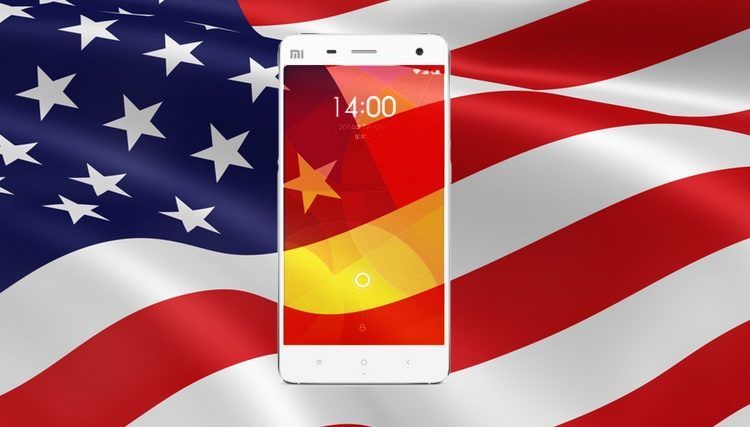
This hasn’t been a great year for Xiaomi’s smartphones. After a rough Q2 that saw a nearly 40 percent fall in shipment volume, the company has dropped several places in the Chinese market pecking order. My colleague Steven has speculated that China is outgrowing the low-cost Xiaomi model; consumers are increasingly willing to pay a bit more for higher-end handsets.
Xiaomi is about more than just smartphones, of course – we expect the company to launch a smart self-driving vacuum this week – but smartphones are its bread and butter. And last week, news broke that the company has set its eyes on another large and lucrative smartphone market: the USA.
Yes, sometime this fall – probably October – Xiaomi’s going to start selling its smartphones in America. (It has had an official online store in the US for some time now, but right now it only sells accessories like headphones.)
Will that work?
It’s difficult to say.
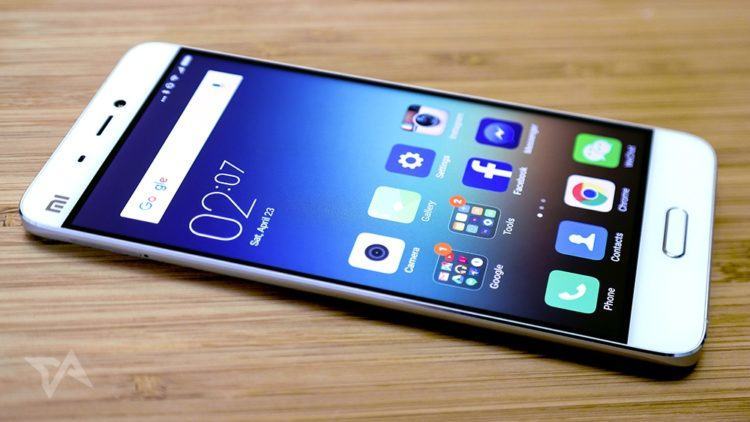
On the one hand, the US certainly isn’t the market to target if you’re looking for huge numbers of consumers who want budget phones. Apple is still far and away the market leader in the US, and its “low cost” phone model costs more than Xiaomi’s flagship. Samsung, the only other company with a double-digit share of the US market, has attained that position mostly off the strength of high-priced handsets like the Galaxy S7 (which costs more than double a Xiaomi Mi5).
On the other hand, although they may not be taking over the market, Chinese brands like ZTE have seen solid growth over the past couple years thanks mostly to their lower-cost-but-still-good-enough handsets. That’s exactly what Xiaomi does, and although it’s certainly not a household name in the US, neither is ZTE. It’s certainly possible that Xiaomi could carve out a similar spot for itself in the US market in the lower-cost niche.
A little help from carrier friends?
Xiaomi (and other Chinese phone makers) may be helped by the fact that the US is in the middle of a transition of sorts when it comes to smartphones. Previously, Americans mostly subscribed to contract-based two-year smartphone plans that folded the cost of a new phone into the cost of mobile network coverage. This meant that from a consumer perspective, phones like the iPhone cost US$200 – the rest of the cost was obscured because it was folded into the monthly network charge.
Now, most American carriers are moving away from that kind of subscription-based model, with the result that smartphone prices are much more obvious. If you want an iPhone in the US today, you either pay the full cost up front, or you agree to a zero-interest loan from your carrier that sees you pay around US$30 a month for two years on top of your regular bill to cover the cost of the handset. Seeing that US$30 a month clearly labeled as a phone payment changes the optics for some consumers – now it’s more clear that the iPhone is quite expensive and picking a different phone could save money.
This isn’t a super-recent change; Verizon abandoned contracts a year ago. But that means that around half of the country’s mobile subscribers may still have contracts that reach their term this year, and when that happens they’ll be faced with switching to the new system where the cost of mobile phones is more in-your-face. It’s possible that we’ll see an upswing in sales of lower-cost phones as a result.
Could Xiaomi catch on in the US?





Stay updated on the go with our mobile app.
Get latest insights with smoother, more personalized experience through TIA mobile app.