 Malavika Velayanikal · · 4 min read
Alibaba now has 2 weapons in India for a proxy war with Amazon
Nobody talks in millions any more in India’s ecommerce scene. It’s billions, or at least hundreds of millions of dollars, being bandied about every other week. Last week, Flipkart was rumored to have raised US$700 million to take its total investment to US$3.2 billion. Today, we hear Snapdeal has bagged US$500 million more to reach US$1.6 billion – half of what Flipkart has stashed away. Breathing down their necks is Jeff Bezos, who wrote a US$2 billion cheque for Amazon India last year, with billions more reported to be in the pipeline this year.
Skeptics question the valuation of these companies and the cash they’re burning to grab market share. But there’s no question that ecommerce in India has a lot of headroom for growth.
There were fewer than 40 million people buying things online last year, according to data from the Indian Market Research Bureau. This constitutes a small fraction of the 300 million internet users in India.
The rapid spread of affordable smartphones is expected to take the number of internet users past the half billion mark next year. Data shows 150 million Indians are on smartphones for nearly three hours on average daily. The number of mobile users has been growing at 26 percent year-on-year since 2013, and two-thirds of them are below the age of 25.
Different strategies
Little wonder that the ecommerce players, both homegrown and global, are eyeing this pie hungrily. Each of them wants to slice it a different way.
Flipkart has made a big mobile push, trying to leverage its leadership position. It brought in German adtech firm Glispa to give its mobile app hundreds of thousands of new users. The fashion estore Myntra it acquired last year has gone app-only, and Flipkart itself is expected to follow suit soon.
Its global rival Amazon, meanwhile, has been investing heavily in warehouses across the country, to streamline its ecommerce marketplace. Last month, it opened a 280,000 square foot warehouse near Hyderabad.
Snapdeal, on the other hand, has been using its funding for a slew of strategic acquisitions. The mother of all the deals was the US$400 million it is estimated to have paid in cash and stock for the buyout of FreeCharge, a uniquely Indian site offering discount coupons for topping up phones. At the time of announcing the deal, Snapdeal co-founder Kunal Bahl pointed out that the two startups had 40 million mobile transactors between them. He wants to add a zero to that number in three years.
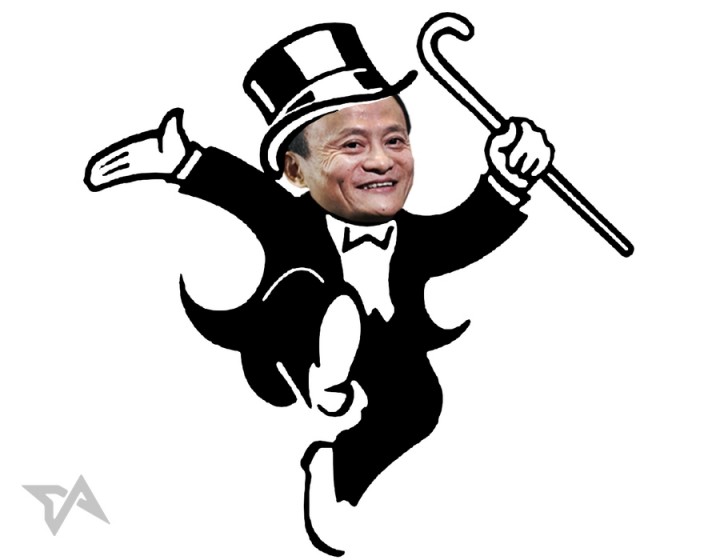
What’s most significant about Snapdeal’s latest round of funding, though, is the participation of Alibaba. Its founder Jack Ma visited India in November last year and said he’d be watching India. The scaling up of rival Amazon in this market would not have escaped his notice.
Alibaba’s pincer movement






Stay updated on the go with our mobile app.
Get latest insights with smoother, more personalized experience through TIA mobile app.













📅 Upcoming Events
22 October 2026
Payoneer x CSPN Summit 2026