 Samantha Cheh · · 5 min read
How an AI-enabled source of funding helped this startup take the next step

Since its launch in 2011, software-as-a-service (SaaS) company Hiver has seen significant success with its email solutions. The US-based firm recasts the communications medium by adding a layer of features that would transform Gmail into a hub for customer service management and collaboration.
Because Hiver had been frugal, it did not need to raise funds to survive. However, it eventually became clear that its ambitions to build a world-class product were far outstripping its resources, and the company accepted US$4 million in equity financing from Kae Capital and Kalaari Capital in 2018.
By late 2020, Hiver found that it had outperformed the revenue and growth milestones borne out of the 2018 funding. To maintain its high growth rate, the company began looking around for more funding in order to run “growth experiments that were crucial and would significantly impact our growth trajectory.”
In search of more runway
This is a common problem among startups: They need cash in order to grow, but they don’t have it. And if they can’t grow, then they can’t achieve the sustainable business models needed to generate more cash.
Fortunately, there are a number of financing options available to startups, such as private equity, bank loans, and private venture debt. Each option, however, comes with its own set of pros and cons.
According to Yaron Primovich, managing director at AI-powered debt fund Mars Growth Capital, startups need “different types of capital for different needs and times.” While equity is suitable for early-stage startups, it’s disproportionately expensive for high-growth companies as they would risk diluting the value of their own stock just to fund daily working capital requirements.
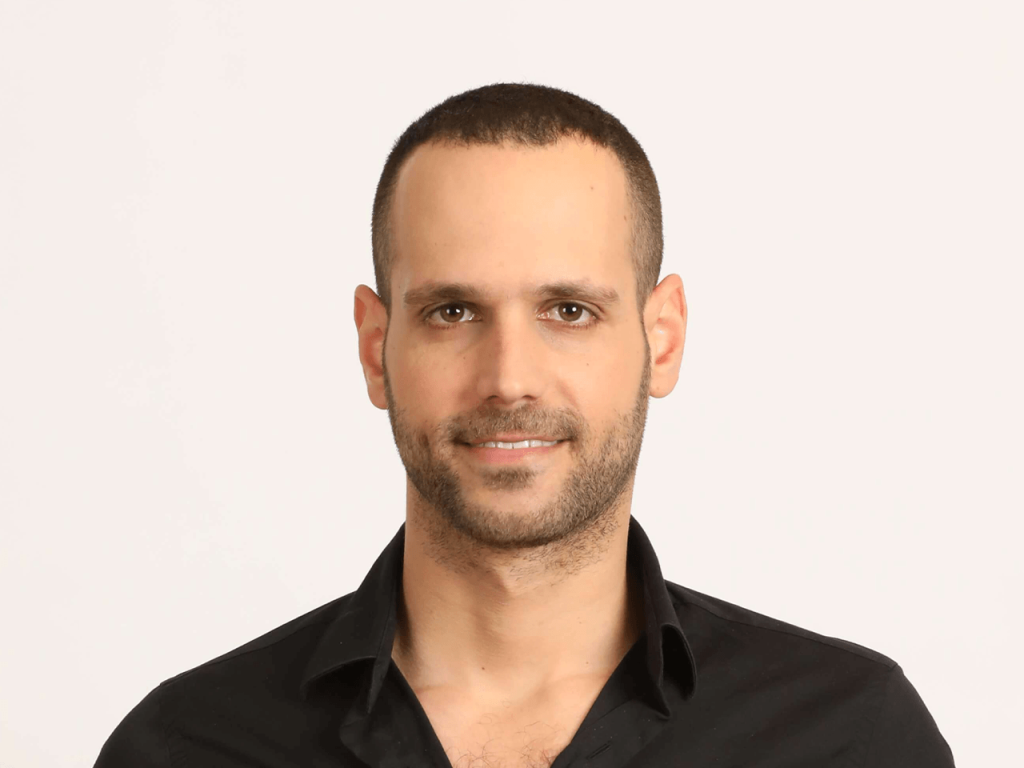
Yaron Primovich, managing director at Mars Growth Capital / Photo credit: Mars Growth Capital
Primovich says that in comparison, venture debt funding is both cheap and non-dilutive – far more suitable to companies like Hiver, which need a sizable capital injection that could help double or triple their valuation every year while avoiding the substantial costs of dilution.
The fourth option
While debt financing is more affordable, it can be difficult for startups to access due to their lack of collateral and their tendency to run into the red. Noting these difficulties, established Japanese bank Mitsubishi UFJ Financial Group (MUFG) and Israeli fintech firm Liquidity Capital put up Mars Growth Capital to offer startups an alternative form of debt financing.
Mars Growth Capital combines Liquidity’s proprietary AI underwriting platform and the expertise of MUFG’s analysts in a “hybrid tech analysis” to make accurate projections of startups’ growth potential and underwrite investments. The resulting reports are used to guide the fund’s investment decisions.
“Our platform gives us a much deeper understanding of the company’s business and provides the necessary comfort we need for a significant ticket size, up to 1.5 times of a company’s annual recurring revenue or up to US$100 million,” says Primovich. He adds that the platform also allows the firm to tailor its offers based on each startup’s context, capital needs, business cycle, and cash flow behavior.
Mars Growth Capital invests in SaaS or ecommerce startups with a minimum annual recurring revenue of US$3 million, according to Satoshi Terai, the fund’s vice president. When it first started up in August 2020, it proactively marketed itself to venture capitalists in the region, making over 300 cold calls to startups and VCs over a period of seven months.
One of those calls paid off: A connection to Hiver via Kae Capital resulted in Mars Growth Capital committing a US$4 million debt facility to the startup.

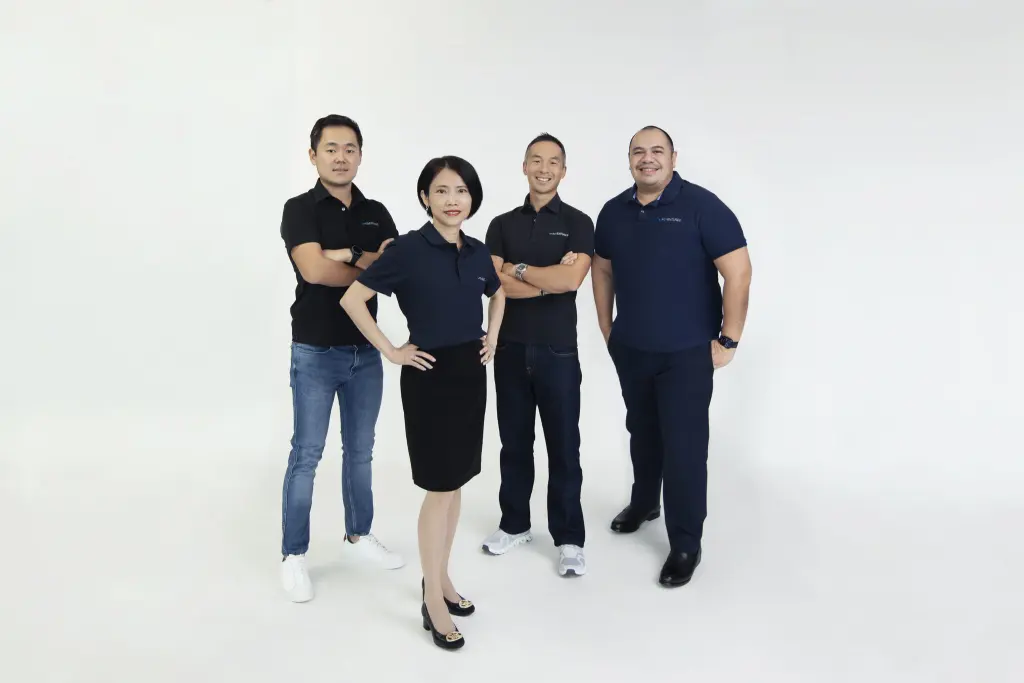
Satoshi Terai, vice president at Mars Growth Capital / Photo credit: Mars Growth Capital
Terai noted that despite being an early-stage company, Hiver showed good business metrics and potential for high growth – precisely the kind of startup that the fund looks to support. Before committing to each other, Mars Growth Capital and Hiver embarked on a series of conversations to identify whether the fund’s innovative form of non-diluted debt financing was suitable for the startup.
“The question was, if you raise equity funding now and next year with the expectation of growing a certain amount, does the cost of dilution make sense when compared to our debt?” says Terai.
“We were really impressed with the offering Mars Growth Capital had for us, which appeared to be customized to what a subscription business like ours would need, compared to other generic debt options,” recalls Niraj Ranjan Rout, Hiver’s founder and CEO. “We were also impressed with how fast Mars Growth Capital moved. Going from our first call to receiving a term-sheet took just four or five days.”
Changing the game for Asia
The funds that Hiver raised from Mars Growth Capital have already proven helpful. Terai explains that the debt facility enabled Hiver to defer its equity round and achieve revenue targets, opening it to better offers from equity investors in later fundraising cycles. Its growth since collaborating with Mars Growth Capital has also enabled the firm to reach its valuation target before its next equity round, saving it from unnecessary dilution.
The debt facility allowed Hiver to invest in its marketing and sales efforts, with the goal of doubling revenue by 2022, according to Rout. The firm now has the runway it needs to future-proof its business by running experiments to figure out “what works and what doesn’t.”
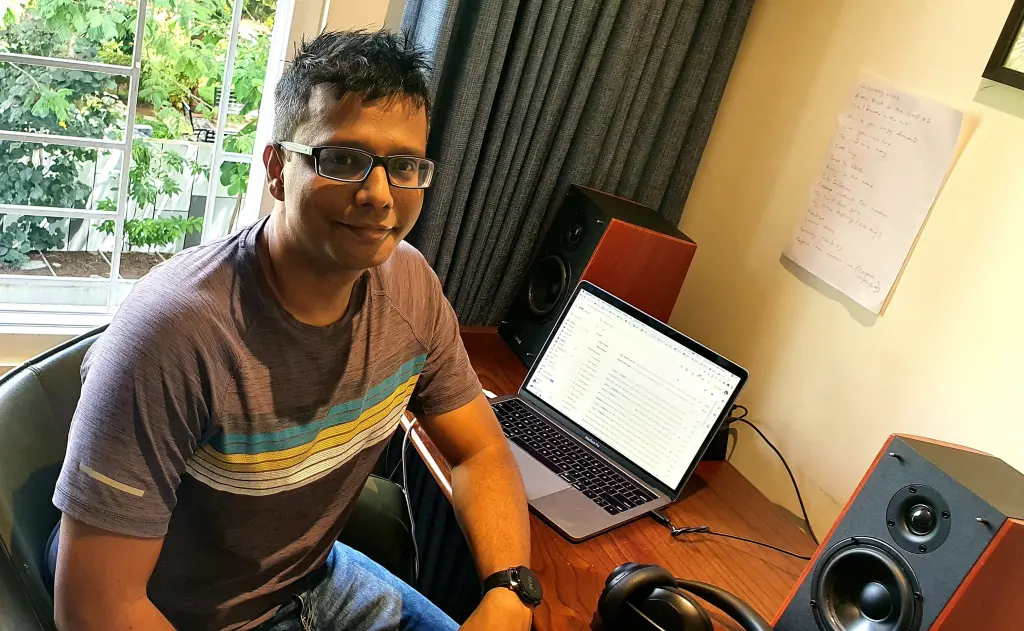
Niraj Ranjan Rout, Hiver’s founder and CEO / Photo credit: Hiver
Mars Growth Capital also maintains an open line of communication to advise and assist in any ad hoc funding requests, expanding and increasing facilities per demand, says Primovich. Portfolio companies also gain access to MUFG’s huge network of Asian banks and partnerships, providing the opportunity to sell their products to these clients as well as the bank’s parent company.
Primovich thinks that as the Asian ecosystem matures and startups become more aware of the debt financing solutions available to them, the region is set to offer the biggest opportunities to investors and startups.
For Terai, a longtime employee of MUFG, Mars Growth Capital’s solution has also proven personally enlightening as it revealed the extent of the need among startups for innovative financing solutions.
“Originally, I thought that startups should be funded by equity and that there’s not much demand for debt. But after hundreds of calls with many companies, we realized that they are suffering from cost dilution, especially those that are growing really fast,” he shares.
“We’re not trying to dominate the venture market, but we are changing the game. That’s what we’re trying to do: Be the game changer of the market,” Terai says.
Mars Growth Capital is a joint venture between Israeli fintech Liquidity and Japan’s Mitsubishi UFJ Financial Group that aims to fund US$500 billion in growth capital for tech startups across Asia Pacific. By leveraging Liquidity’s proprietary AI-powered data integration tool, the fund is bringing non-diluted debt financing to help startups achieve their goals.
To find out more about how Mars Growth Capital can help your startup access non-diluted debt funding, visit its website.
This content was produced by Tech in Asia Studios, which connects brands with Asia’s tech community. Learn more about partnering with Tech in Asia Studios.
Stay updated on the go with our mobile app.
Get latest insights with smoother, more personalized experience through TIA mobile app.
Recommended reads
 Exclusive: Vietnamese D2C startup raises $4.3m in series A round
 AC Ventures reaches first close of $250m fund
 Gobi closes $10m fund, welcomes Allianz Malaysia as limited partner
 B Capital, Sequoia’s Surge lead $21m funding for Indian wellness startup
 Peter Thiel, Beenext join $7.9m seed round of Pakistani electronics marketplace
 How valuable is VC money for Indonesia’s profitable bootstrapped startups?
 M Venture Partners banks new capital to double down on portfolio firms
 Sequoia launches platform to help startups expand globally
- Don’t you just love watching startups raise funding?
 Pedal to the metal for Carsome’s revenue figures





Editing by Winston Zhang, Nathaniel Fetalvero, and Eileen C. Ang
(And yes, we’re serious about ethics and transparency. More information here.)



📅 Upcoming Events
22 October 2026
Payoneer x CSPN Summit 2026