- Insights This article was written by a TIA community member. Insights pieces undergo the same rigorous editorial process that newsroom-produced articles have.
 Jacob Cooke · · 5 min read
How much is AI really selling this Singles’ Day in China?
When Alibaba Group held the first Singles’ Day shopping festival on November 11, 2009, only 27 merchants participated and commercially useful AI was still a pipe dream.
This year, around a million brands are expected to join the shopping event, and Alibaba has integrated its entire catalog of more than 4 billion products into its self-developed AI chatbot, Qwen. Singles’ Day 2026 shoppers can use the standalone Qwen app to search, compare, order, pay, track deliveries, and process returns.
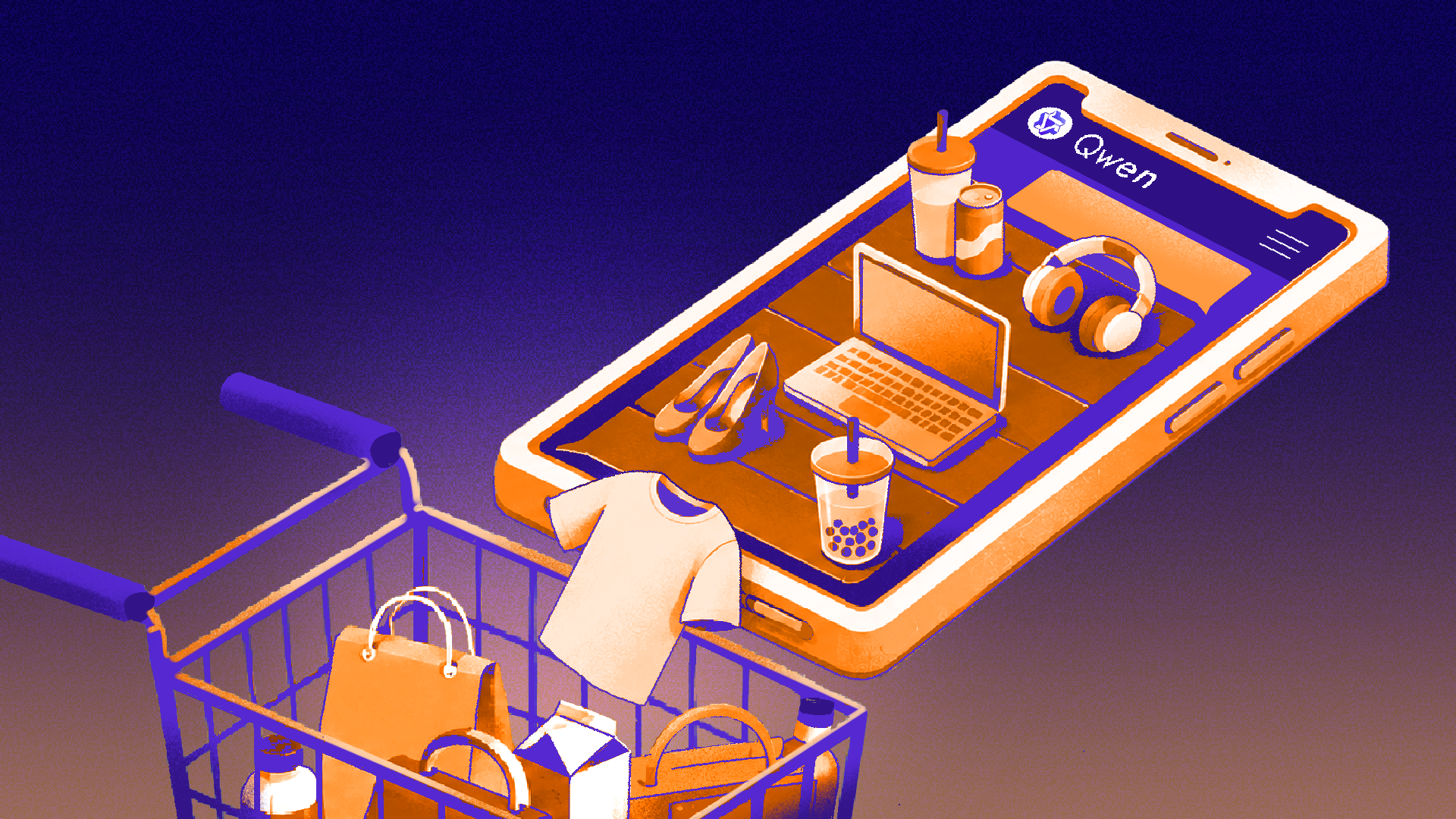
Image credit: Ulla
As the co-founder and CEO of WPIC Marketing + Technologies, which runs Tmall and Douyin stores for global brands across China, Japan, and Southeast Asia, I have a direct view of sales data on both platforms. That means I also have a front-row seat to how AI is changing Singles’ Day.
From keywords to conversations
China’s ecommerce landscape looked very different in 2009.
Online sales were about 2% of the retail market, shoppers browsed Taobao on desktop, and the iPhone had just arrived in the country. Even then, basic machine learning powered search rankings and recommendations that shaped product discovery, the first step in the customer journey.
Early ecommerce ran on keyword search: Shoppers searched for a product or brand they wanted and clicked through listings. That model still underpins Taobao, JD.com, and Amazon, and it rewards the brands with the highest recognition and the biggest keyword budgets.
Recommendations based on search, purchase, and demographic data came next. Livestreaming and short video pushed them further by attaching purchase links to content that users already cared about.
In 2026, chatbots powered by large language models are reshaping the shopping experience. Qwen handles text, voice, images, and videos, so shoppers can say, “I need a running shoe for marathons in this price range.” or “Does this lipstick match my skin tone?” to get options.
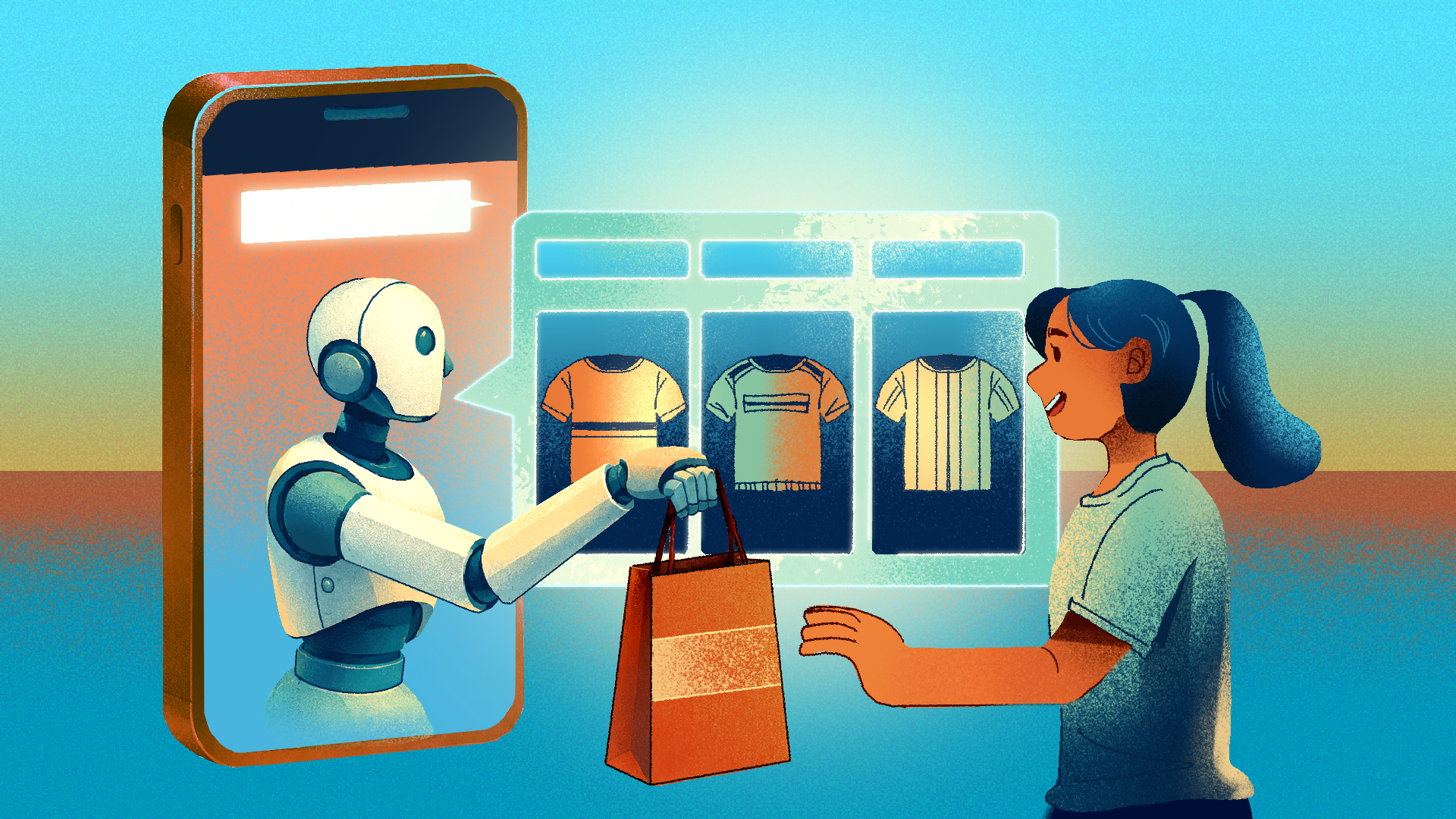
Image credit: Ulla
That suits today’s Chinese consumer, who is deliberate and cares about performance: what’s in a serum, does a vitamin supplement suit their needs, how two golf clubs compare.
Qwen is also trained on Alibaba’s ecommerce data and integrated with the full catalog, with one-click purchase and post-sales service in the same app. This gives it an added edge as a shopping assistant: it knows what China’s shoppers buy, and it can complete the sale and handle potential returns.
How much is AI actually selling?
Alibaba says information-based queries on Taobao, where shoppers ask questions rather than type keywords, have grown 50.4% this year. AI-generated knowledge summaries are drawing an 11.3% click-through rate.
What this means for brands
Stay ahead in Asia’s tech landscape
This is premium content. Subscribe to read the full story.
Chatbots are driving sales ahead of the 11.11 shopping festival. Store data shows where AI shopping works best and what brands can do about it.
We know this is not ideal. ⌛ Sign up in 20 seconds. Cancel anytime.
Our subscriber community includes professionals from these companies:








📅 Upcoming Events
30-31 March 2027
Upskill Fest