 Elyssa Lopez · · 7 min read
AI meets its newest constraint: war
Welcome to The Prompt, your Monday dive into the world of AI that puts Asia front and center. From Big Tech’s power players to the region’s scrappy disruptors, we cover it all. Want full access to all our AI reporting? Subscribe to us here.
Hello reader,
Before the end of February, the main constraints facing the AI industry seemed to be things it could control.
Access to training data? Done with a few deals with those that own the content (or allegedly just stealing it). Energy for data centers? Done, again by closing deals with power generation firms.
Essentially, these constraints were all things that enough money could solve, one way or another. And then the US and Israel started a war with Iran. Suddenly, AI has another constraint to factor in: conflict.
Some Amazon data centers in the United Arab Emirates were hit by drones in the early days of the war. They are perfect targets: unprotected, yet could have massive economic repercussions when taken down.
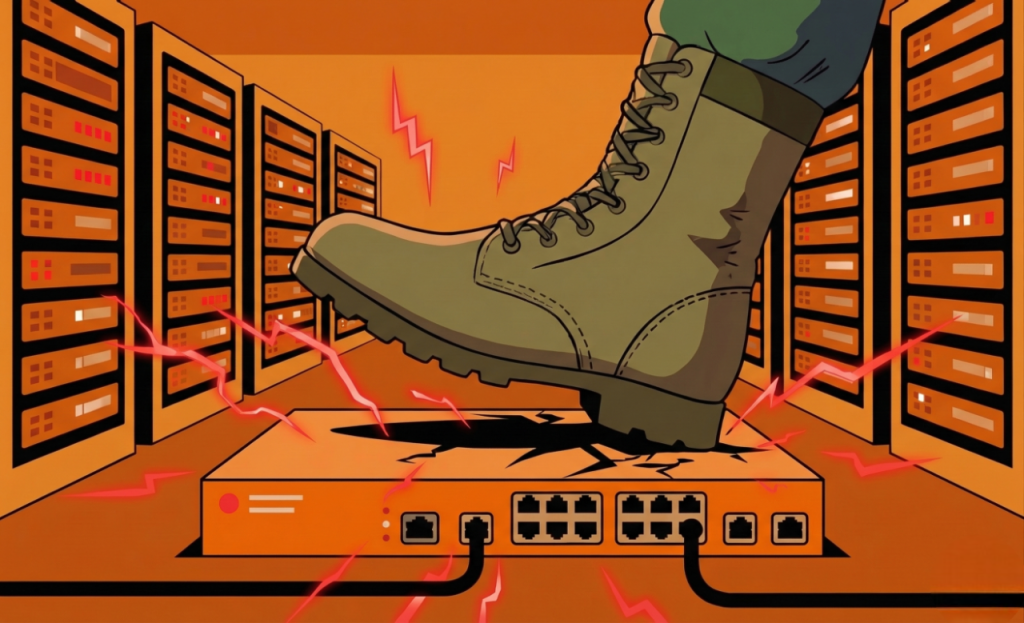
Image credit: Made by Miguel Cordon/Tech in Asia with the help of AI
Ironically, AI tools are being used in this war. AI-driven strikes on the same data centers that power AI? It’s not hard to imagine.
While AI firms could seemingly overcome most constraints with cash, this time – like any other company – they may have to rely on geopolitics working in their favor.
When I interviewed data center operators in February, they only spoke about preferred policies and energy infrastructure requirements as the main considerations. Makes me wonder: Should they be pricing in the risk of conflict into their investments, too? That might make Southeast Asia preferable to the Middle East.
Meanwhile, AI firms in China are quickly developing models that look to be inching closer to the capabilities of their American peers, despite their own constraints in terms of capital. That’s based on the analysis of our second top story of the week.
And then there’s India. A number of Indian firms are looking to enter the AI wearables market, and with many pivoting from software to hardware, they have to deal with a new but all too familiar constraint: figuring out the balance between supply and demand.
These stories tell me that the race to AI dominance is just getting harder, with the constraints continuing to become more complex. The ones that will emerge as winners may not only be those that have placed their bets early in the race. They may be the ones that navigate this moment best.
Elyssa Lopez, journalist
TOP AI READS FROM OUR DESK
WHAT WE THINK
STANDOUT AI DEALS
RESEARCH SPOTLIGHT





Stay updated on the go with our mobile app.
Get latest insights with smoother, more personalized experience through TIA mobile app.








📅 Upcoming Events
22 October 2026
Payoneer x CSPN Summit 2026