- Premium Content It takes our newsroom weeks - if not months - to investigate and produce stories for our premium content. You can’t find them anywhere else.
 Tan Ai Leng · · 6 min read
SEA follows Japan, Korea with market value reforms
As private wealth in Asia grows and investors increasingly prioritize strong returns and more disciplined use of capital, stock markets in Singapore, Thailand, and Malaysia are making efforts to boost valuations and attract more capital.
With basic regulatory compliance no longer enough to secure investor interest or increase market valuations, Southeast Asia’s indexes are following in the footsteps of markets in Japan and South Korea by making reforms.
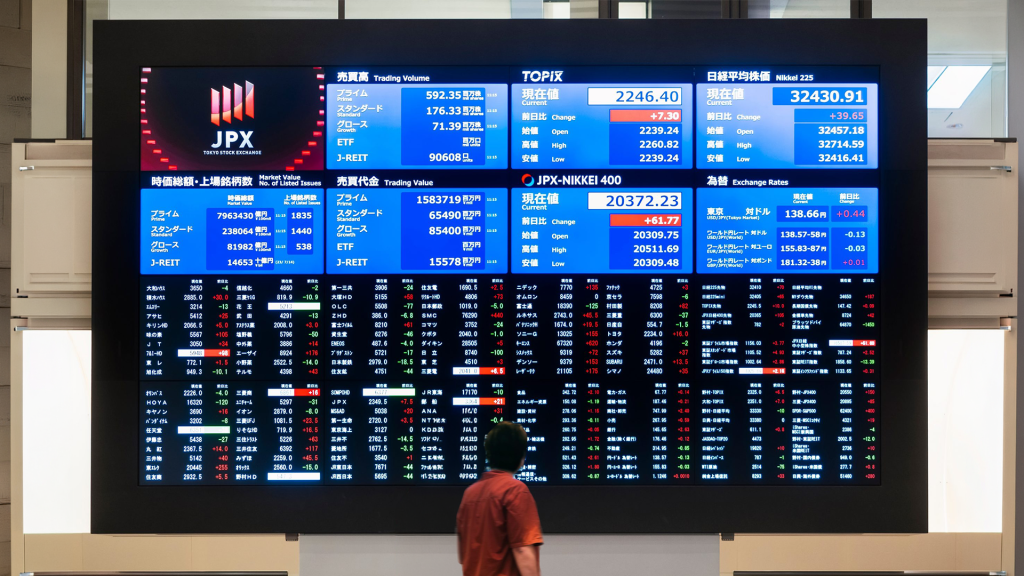
The Tokyo Stock Exchange (TSE)/ Photo credit: VTT Studio / Shutterstock
Gary Tan, portfolio manager for the intrinsic emerging markets equity team at Allspring Global Investments, says markets in the region face slower long-term growth as AI disrupts key sectors. Capital has also become increasingly selective, while aging Southeast Asian populations have put more scrutiny on shareholder returns.
It’s a perfect storm of headwinds, in short.
“In response, regional regulators are pivoting from compliance-led frameworks toward proactive value creation to attract capital inflows and narrow valuation discounts,” he tells The Business Times.
Ray Choy, chief economist at Malaysian Rating Corp, agrees, noting that the density buildup of private banks, wealth managers, and family offices is heightening the urgency to reform. Rising wealth across Asia has also led to large cash reserves, which are now driving increased domestic interest in stock market investments.
“Asia is growing above the global growth rate by many measures, whether it is gross domestic product, corporate earnings, or population growth,” he explains.
But analysts warn that Southeast Asia’s relative lack of tech giants may limit how much these reforms can achieve.
Peer pressure and governance reforms
In 2023, the Tokyo Stock Exchange launched reforms to challenge cash-hoarding companies that were trading below book value to address their weak returns. This market-led mandate used targeted peer pressure to trigger an unprecedented wave of corporate share buybacks and larger dividend payouts.
Similarly, in 2024, South Korea’s Financial Services Commission and the Korea Exchange launched the Corporate Value-up Program to tackle the longstanding “Korea discount.” The market’s undervaluation issues had been driven by weak minority shareholder protections, poor capital allocation, and the dominance of family-run conglomerates.
See also: Asian tech stocks slide as investors question AI valuations
Seoul used governance reforms and incentives designed to encourage companies to improve shareholder returns and narrow valuation discounts.
Liao Yi Ping, portfolio manager at Templeton Global Investments, says South Korea’s approach was more state-led and incentive-driven because of concerns around concentrated ownership structures and minority shareholder rights.
Different strokes
Mind the gap
Mixed bag so far
Stay ahead in Asia’s tech landscape
This is premium content. Subscribe to read the full story.
Southeast Asian markets are reforming to close a valuation gap with those of North Asia. Here’s why governance alone may not be enough.
We know this is not ideal. ⌛ Sign up in 20 seconds. Cancel anytime.
Our subscriber community includes professionals from these companies:





Stay updated on the go with our mobile app.
Get latest insights with smoother, more personalized experience through TIA mobile app.








📅 Upcoming Events
22 October 2026
Payoneer x CSPN Summit 2026