Steven Millward · · 5 min read
Phone brands around the world are now rushing to emulate Xiaomi
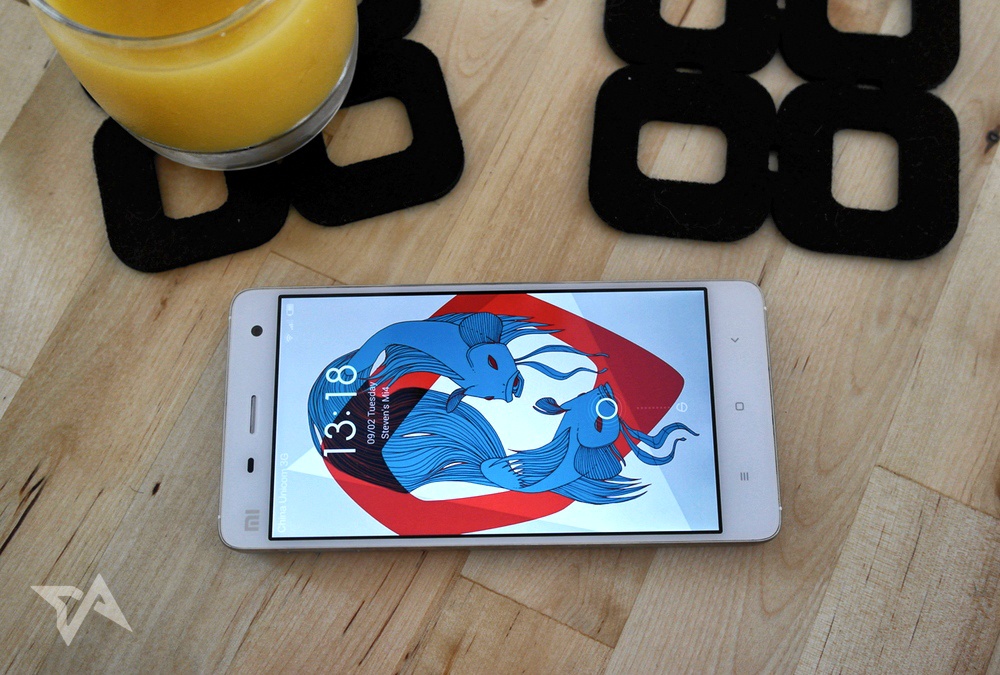
Once dismissed as a cloner, now a growing number of phone brands are rushing to copy China’s Xiaomi. What they want to replicate is the secret sauce that has propelled the young Beijing company from zero to 60 million phones sold per year in just four years.
The recipe to that secret sauce, however, is a lot more complex than it appears. To those who haven’t yet come to understand Xiaomi, it seems that it’s just copying Apple at bargain basement prices – but that kind of assessment is way off the mark. “[T]he key to understanding Xiaomi [is] they’re not so much selling smartphones as they are selling a lifestyle,” explains Ben Thompson, a writer who blogs as Stratechery, in a recent article.
That lifestyle is aimed primarily at young people. It’s made up of a mix of elements that no other gadget maker has blended together before, all of which help engender a sense of ownership for fans of the brand – a strong sense of community, social marketing, listening to and incorporating user feedback, an emphasis on adaptable and personalizable software, and surprisingly powerful phones at low prices. Xiaomi has also pioneered online-first sales.
Now that some rival phone makers have seen how Xiaomi puts this together and makes it work, they’re trying to emulate the entire package.
A blank slate
In India, homegrown phone maker Micromax recently created a sub-brand, called Yu, using what it’s learnt from Xiaomi.
Micromax, unlike Xiaomi, is no newcomer. It’s already India’s second biggest phone brand, some distance behind Samsung in terms of sales. But the Indian firm opted for a fresh start with Yu, using some Xiaomi-esque strategies like online flash sales to go after younger consumers.
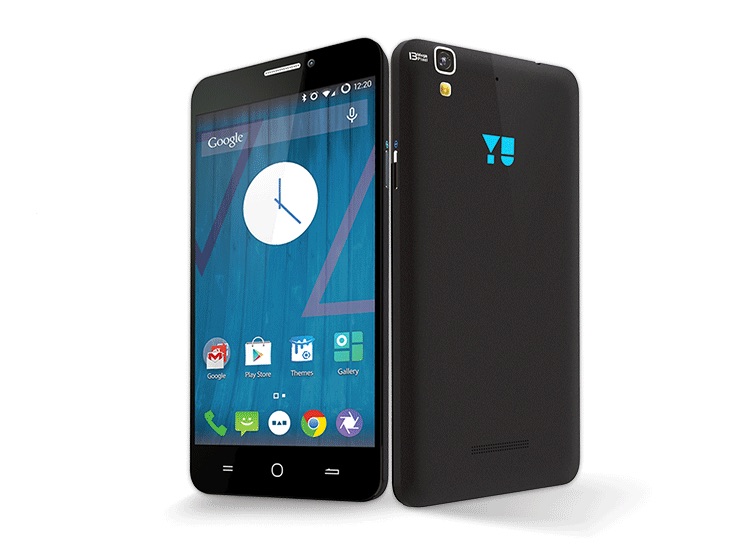
The first Yu phone, the Yu Yureka (pictured below), which came out in mid-January, has a totally different Android skin from other Micromax phones, opting for the cool and customizable CyanogenMod to give it an edge in the battle against Xiaomi and its slick Android-based OS.
Other established brands are launching spin-offs too, realizing that they need a different strategy – in addition to separate models and marketing – in order to appeal to younger (and pickier) smartphone buyers. Lenovo is set to launch the Shenqi sub-brand in April, using web-only sales, in an attempt to pry Chinese shoppers away from Xiaomi. “We want to build a pure internet-oriented model,” said Lenovo CEO Yang Yuanqing in a recent Bloomberg interview. “If we do this kind of model within the current Lenovo, there is a lot of conflict with existing channels and carrier partners. With a different team mechanism, we can do whatever we want.”
It’s a blank slate. A way for Lenovo to act like a startup, to get away from the fusty image conjured up by many kids of their dad’s breadcrumb-encrusted Lenovo laptop.





Stay updated on the go with our mobile app.
Get latest insights with smoother, more personalized experience through TIA mobile app.