Leighton Cosseboom · · 10 min read
Payments startups innovate where banks and telcos never will
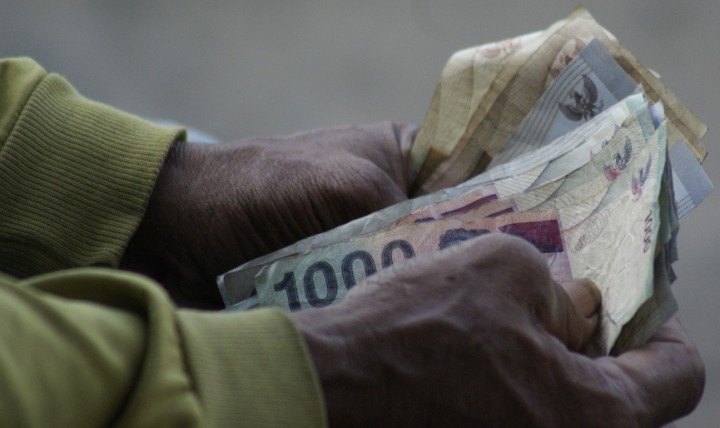
Imagine you’re a street food vendor in Ho Chi Minh City or a minibus driver in Jakarta. All day long, you collect and hoard cash from customers. If your business is popular and you’ve had a busy day, the walk home is one where you must hide the bulge of bills in your pocket. You may even feel a little uneasy about the growing amount of banknotes hidden under your floorboards.
If this sounds familiar, you’re likely part of Southeast Asia’s unbanked population — a large group we often refer to when talking about payments in the region. Southeast Asia has a huge unbanked population. In Indonesia, the majority of the nation’s vast population has not entered the banking system and less than 5 percent own credit cards. In countries like Vietnam, this situation is similar, where more than one third of its 90 million population hold bank accounts.
For this reason, developing markets like the Philippines, Vietnam, and Indonesia are cash-based societies. Electronic payments is a space many folks know is important, but in reality, very few actually understand its inherent complexities. Moreover, even fewer can see how different social and political climates affect the industry.
Some experts say protectionist attitudes and a lack of understanding from regulators is stifling progress in Southeast Asia, which has resulted in near-monopolies by banks and telcos from country to country. With the rise of ecommerce, fintech, and the shared economy, a handful of regional entrepreneurs are setting out to change the status quo. But they are facing some major hurdles.
Slow progress and few credit cards
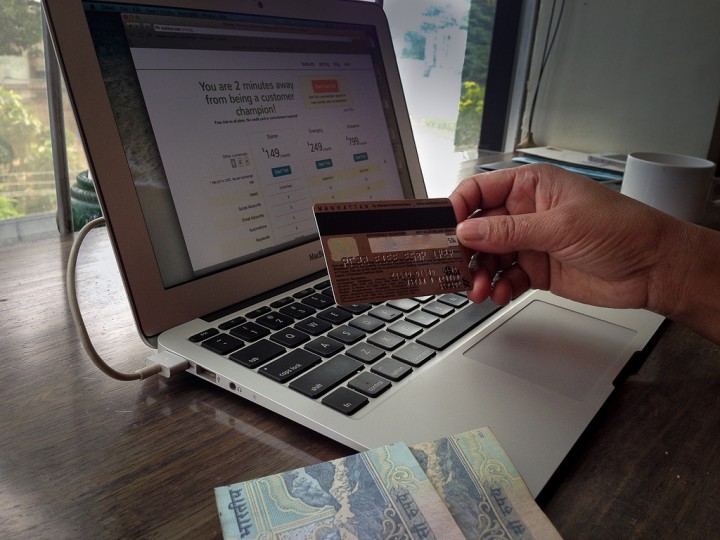
Inherently, alternative payments businesses are dependent on a critical mass of users. In the US, most payments companies are built upon the bedrock that is credit card penetration — more than 72.1 percent in recent years, according to the Federal Reserve. Piggybacking on credit cards is both a good and bad thing. In developed markets, it’s easier to build your product and you’ll get instant access to a large potential customer base by partnering with credit card firms like Visa or Mastercard. But then again, so will all your competitors, which levels the playing field.
The other way to do it, which we see in Southeast Asia, is to bypass banks and credit cards altogether, and build your own two-way ecosystem. This leaves more room for healthy profit margins, but again you’ve got another really big problem: user acquisition. If you think it’s a challenge getting folks to sign up for a fun or useful app which only requires registration via social media, try getting them to put faith in a brand new product which aims to control their money.
Aung Kyaw Moe, founder and CEO of Singapore-based payments services company 2c2p tells Tech in Asia merchant education is one of the biggest hurdles any alternative payments company faces.
He says: “Besides the ‘What’s your rate?’ question, they need to ask more questions like, ‘Will my customers be redirected to your payment page to enter cardholder details?’; ‘What’s the settlement process?’; ‘Will there be any holding amount for security and chargeback guarantee?’; ‘What are the value added features?’; ‘What’s the fees for chargeback and refund process?’; ‘What is the chargeback process and how do I defend the case when chargeback happens?’”
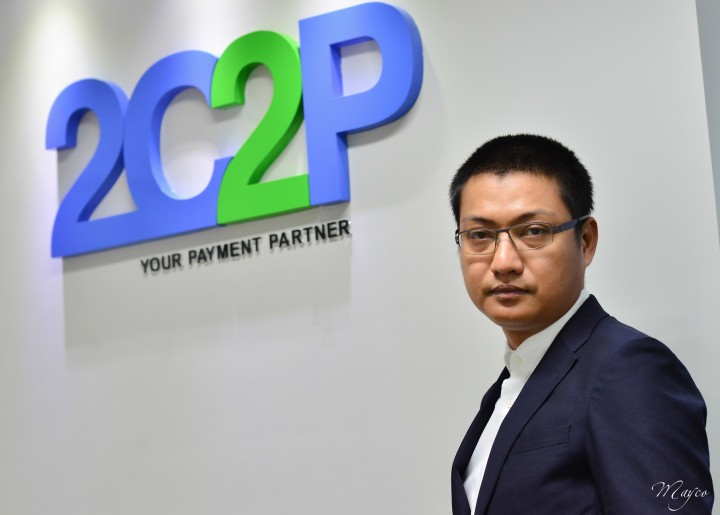
Aung Kyaw Moe, group CEO and founder of 2c2p
In more mature markets like the US, small changes made to existing payment methods are easier for consumers to accept. However, in less developed markets like those in Southeast Asia, “small differences in the security process are more likely to dissuade them from using electronic payments at all,” says Ivan Mortimer-Schutts, a digital finance specialist at International Finance Corporation (IFC).
A lack of framework results in near-monopolies by banks and telcos
But banks can be bypassed
Low profit margins, but still lucrative opportunities for startups
The solution is mobile, and hopefully ASEAN integration





Stay updated on the go with our mobile app.
Get latest insights with smoother, more personalized experience through TIA mobile app.