- Premium Content It takes our newsroom weeks - if not months - to investigate and produce stories for our premium content. You can’t find them anywhere else.
 Samreen Ahmad · · 6 min read
Bad road habits meet their AI reckoning
A truck driver checks their phone for two seconds. A van tailgates in traffic. A bus driver starts to doze off on a highway. Most times, nothing happens – until one day, something does.
In 2019, distracted driving in the US led to US$98.2 billion in economic costs.
That gap between risky behavior and real-world consequences is where Netradyne is building its business.
Founded in 2015 by Qualcomm executives Avneesh Agrawal and David Julian, the India- and US-based startup sells AI-powered camera systems for delivery fleets. It aims to reduce accidents by identifying dangerous habits before they escalate, helping fleet operators cut insurance claims, legal liability, vehicle downtime, and repair costs.
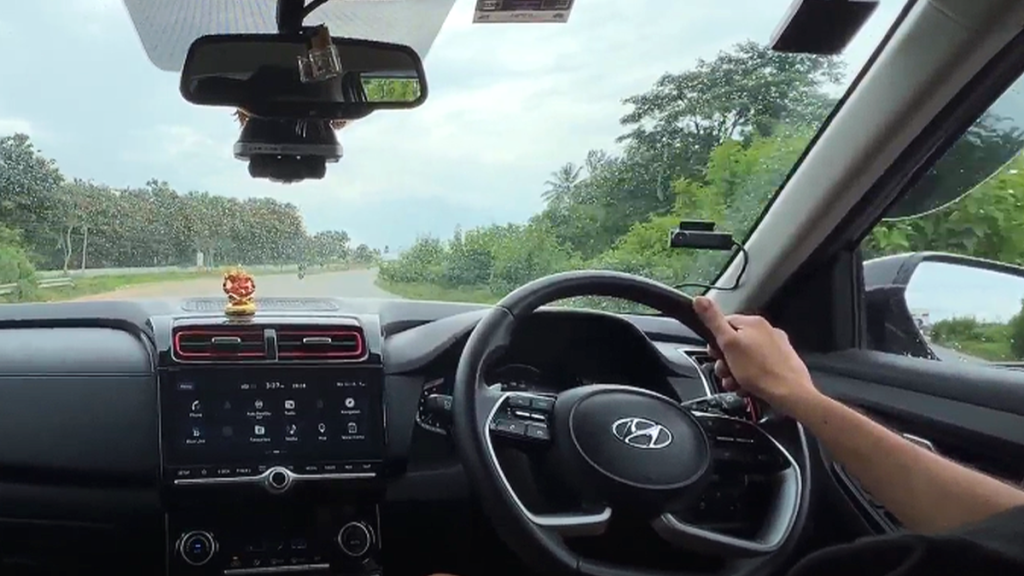
A vehicle with a Netradyne device mounted on its rearview mirror / Photo credit: Netradyne
Vinay Rai, one of Netradyne’s founding members, tells Tech in Asia that the company’s name combines the Sanskrit word netra, meaning eyes, with dyne, a unit of force in physics.
He notes that fleet management is a global concern with many opportunities, as fleets have to deal with accidents, fuel costs, and efficiency issues. The global fleet management market was estimated to be worth US$37.4 billion in 2025 and is expected to reach US$70 billion by 2030.
“We can grow 100x from where we are just in the global B2B market,” says Rai.
At a valuation of over US$1.3 billion, Netradyne’s backers include SoftBank, Reliance Industries, and Microsoft’s venture arm. The startup posted a revenue of US$210 million in 2024, marking a 65% year-on-year increase, and it expects to turn net profitable at a company level this year.
But healthy growth and star-studded investors do not guarantee a dominant market position. Netradyne now has to find a way to stand out as the market becomes more crowded and the tech behind its device becomes cheaper.
80% fewer accidents
Rai says customers see a “70% to 80% reduction in accident rate within 12 months” of deploying Netradyne’s device.
This is based on Netradyne’s internal Global GreenZone Validation Study and an India fleet performance analysis. According to the company, the study analyzed more than 1.5 billion miles of driving data, covering over 225,000 drivers across six months.
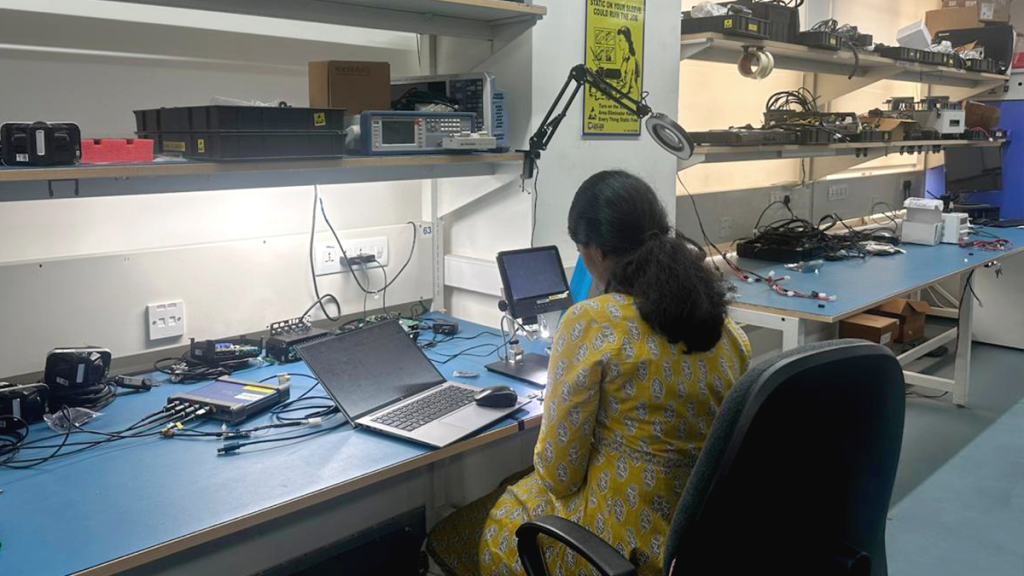
A Netradyne engineer at the company’s R&D center in Bengaluru / Photo credit: Samreen Ahmad / Tech in Asia
AI that never blinks
Who watches the watchers?
Stay ahead in Asia’s tech landscape
This is premium content. Subscribe to read the full story.
Netradyne says its in-vehicle system can reduce accidents by up to 80%. But is that enough to stay ahead?
We know this is not ideal. ⌛ Sign up in 20 seconds. Cancel anytime.
Our subscriber community includes professionals from these companies:





Stay updated on the go with our mobile app.
Get latest insights with smoother, more personalized experience through TIA mobile app.