Rishi Alwani · · 5 min read
Meet Ogre Head, the Indian studio behind Asura, one of the cooler indie games coming out this year
Last week we chanced upon Asura, a promising hack and slash with elements from the roguelike genre. This heady mix of Diablo and Spelunky is being developed by India’s Ogre Head Studio. We managed to speak to game director and co-founder Zainuddin Fahad to find out what made this new studio tackle a genre that’s not exactly popular among Indian developers.
(See: Asura is a hack and slash roguelike inspired by Indian mythology)
Rocky beginnings
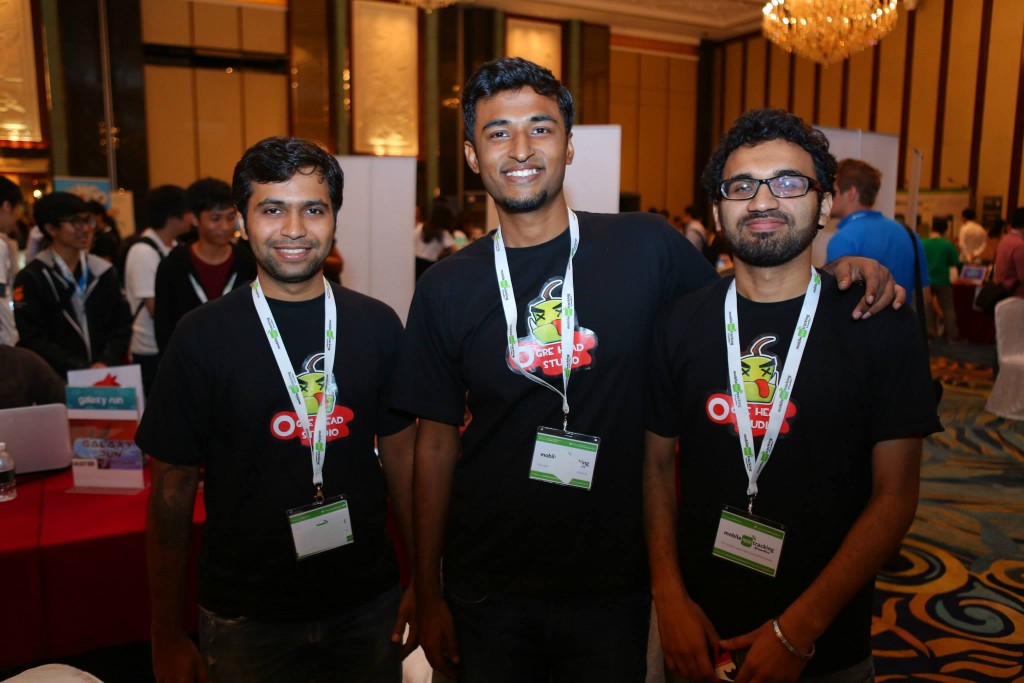
From left to right: Neeraj Kumar, Aubhik Nath, and Zainuddin Fahad.
An ex-Gameshastra employee, Fahad started Ogre Head with two other ex-Gameshastra colleagues, Aubhik Nath and Neeraj Kumar who handle design and tech respectively. During their time at Gameshastra they assisted in the development of many titles across different platforms such as Top Gun (PSP, Android) and Bee Wars (PSP). But it wasn’t work that was creatively satisfying for any of them.
At the time, Rocksalt Interactive, an art services company, was interested in entering the gaming space. The trio jumped ship to spearhead development on Roadkill Xtreme, the company’s debut game. However Rocksalt was not interested in continuing its gaming division and pulled funding. Soon after, Ogre Head Studio was formed with Asura being its debut title.
Inspirations and presentation
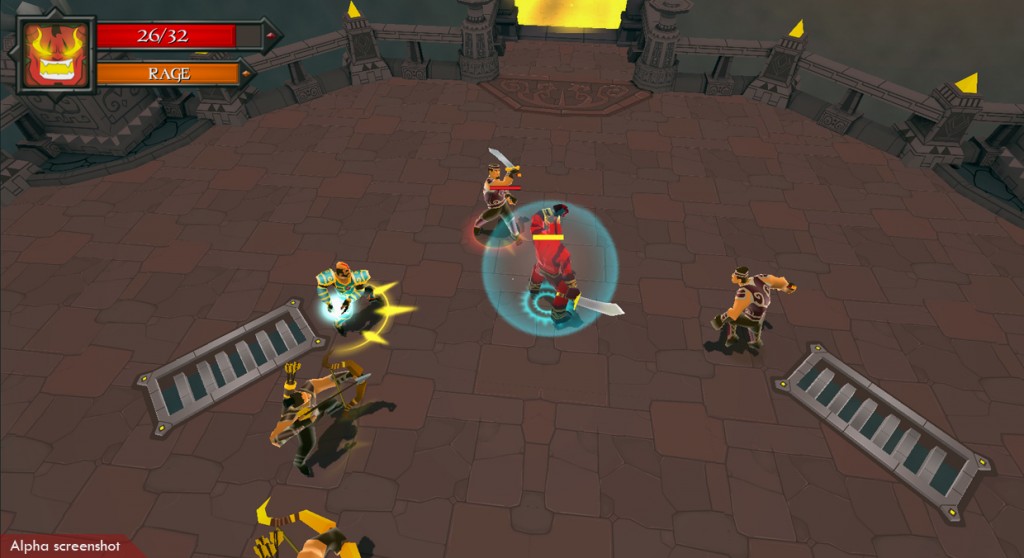
Most games based on India usually wear their inspiration on their sleeve. Be it India’s first Playstation 2 title, Hanuman: Boy Warrior or Desi Adda: Games of India, Indian games are usually steeped in so much of their own lore that it’s tough for non-Indians to even understand them, let alone play them. Fahad assures us that this is not the case with Asura.
Yes, the game is inspired by Indian mythology but we’re not making it as obvious as other games have in the past. The focus is on creating a game which has our own flavor in it. Unlike Hanuman that was a literal representation of the mythology, we’re not doing anything to make things too obvious. Even though we use the term “Asura” and the lore is inspired from the Indian mythos, our approach is very stylized from a visual design standpoint instead of showing off a traditional Indian demon.
It’s a slick move that appears to have paid off what with an art style that looks fresh and unique. (And it’s also a good way to avoid any religious controversy.)
Not only working hard but also smart





Stay updated on the go with our mobile app.
Get latest insights with smoother, more personalized experience through TIA mobile app.