Katrina Balmaceda Uy · · 6 min read
3 tech trends that are changing the face of logistics

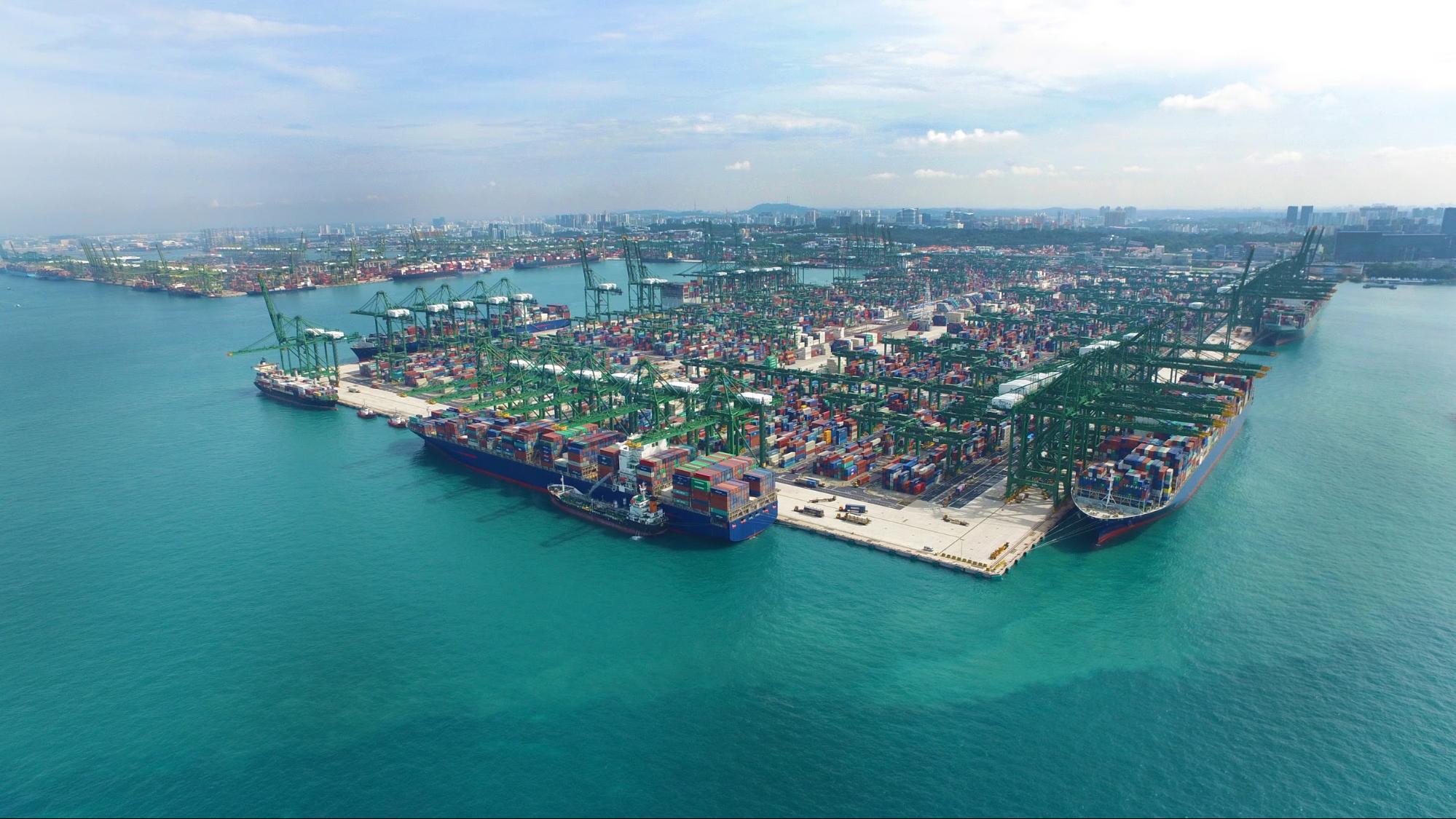
Image credit: PSA International
The logistics industry needs to step up its efforts to go digital “to capture the benefits of greater cargo flow visibility, and improved coordination and optimization for stakeholders,” recommends Tan Chong Meng, Group CEO of Singapore-headquartered global port operator PSA International.
His statement sums up the current direction of the industry. Startups offering a gamut of software-as-a-service solutions for the transport of goods – from manufacturers’ warehouses to buyers’ doorsteps – have sprouted in recent years.
These solutions involve the use of AI, data analytics, industrial internet of things (IIoT), satellites, and blockchain technology.
Here’s a look at three trends in logistics technology (logtech) that are transforming different aspects of the timeline.
Tapping the sharing economy to optimize asset use
Container haulage services tend to swing widely from bottlenecks during peak periods to underutilization during lulls.
They can also be riddled with disputes stemming from delays, incorrect deliveries, and missing and damaged goods, among other issues.
“We want to become the overarching platform that can overcome trust issues between the hauliers and stakeholders in the industry,” says Haulio CEO Alvin Ea. To do so, the company offers a B2B platform that connects haulage service providers to users such as forwarders, cargo owners, and port operators.
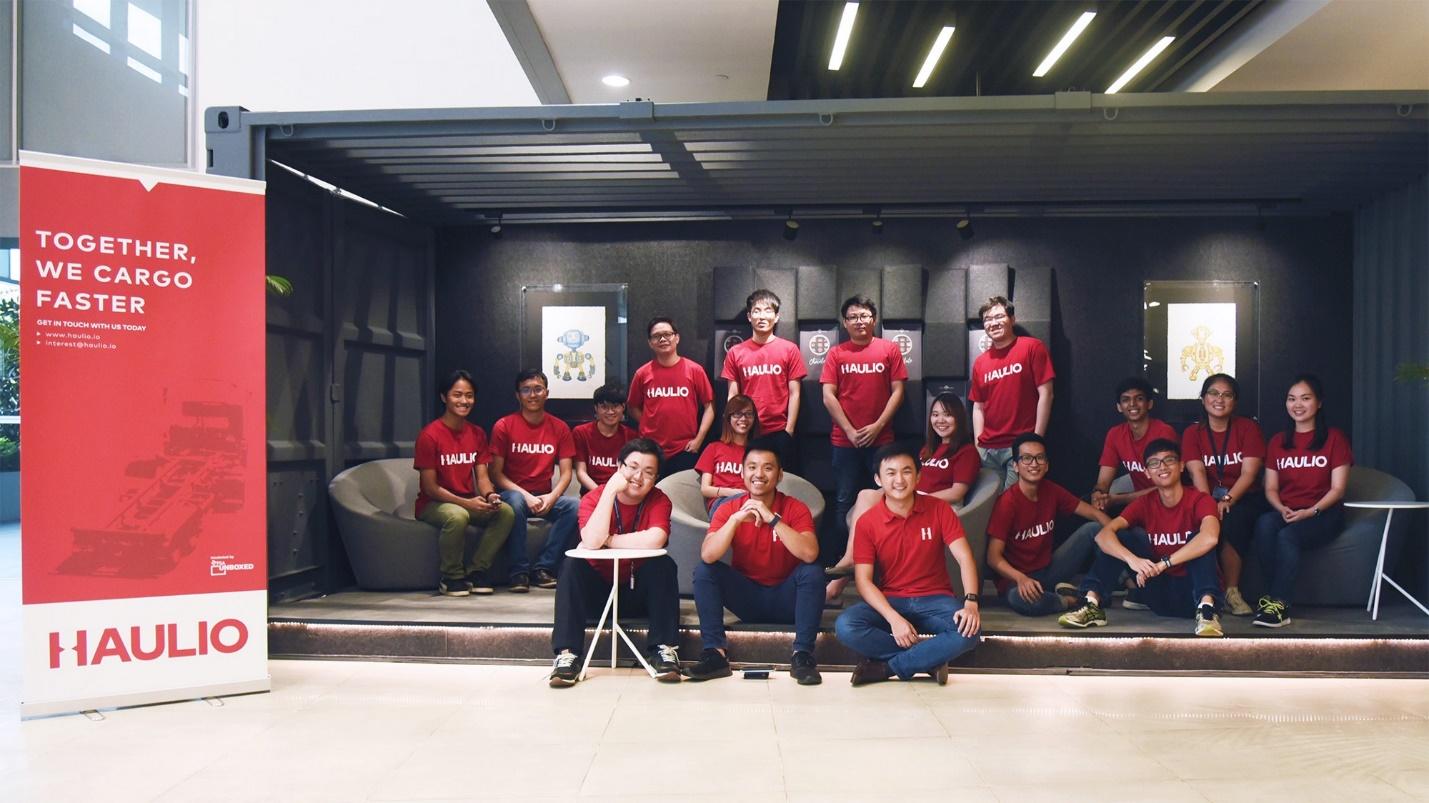
Image credit: Haulio
Features include an integration with the various systems of users into a single channel to search, manage, and monitor haulage jobs. Additional upcoming features include real-time tracking and analytics of past deliveries, as well as IoT and management functions for service providers.
While Haulio believes that it offers a win-win solution, it took them a while to win over the logistics industry. Ea shares that haulage service providers initially feared the platform would threaten their businesses. Freight movers also needed convincing that the technology would enable them to deliver as reliably as they did in the past.
Since then, Haulio has gained plenty of converts and now boasts a community of more than 300 companies. In the first nine months of 2018, over 70,000 TEUs (twenty-foot equivalent units) of cargo were processed on the platform, with the value of transactions worth more than SG$2 million (US$1.4 million). Despite the industry’s reputation for being “resistant to changes,” Haulio is “seeing active growth month-over-month,” says Ea.
In May 2018, Haulio closed a US$747,000 seed round led by PSA Unboxed, the venture capital arm of port operator PSA International. Other investors included 500 Startups, NUS Enterprise, and angel investors from the industry.
Supply chain visibility powered by AI and IoT
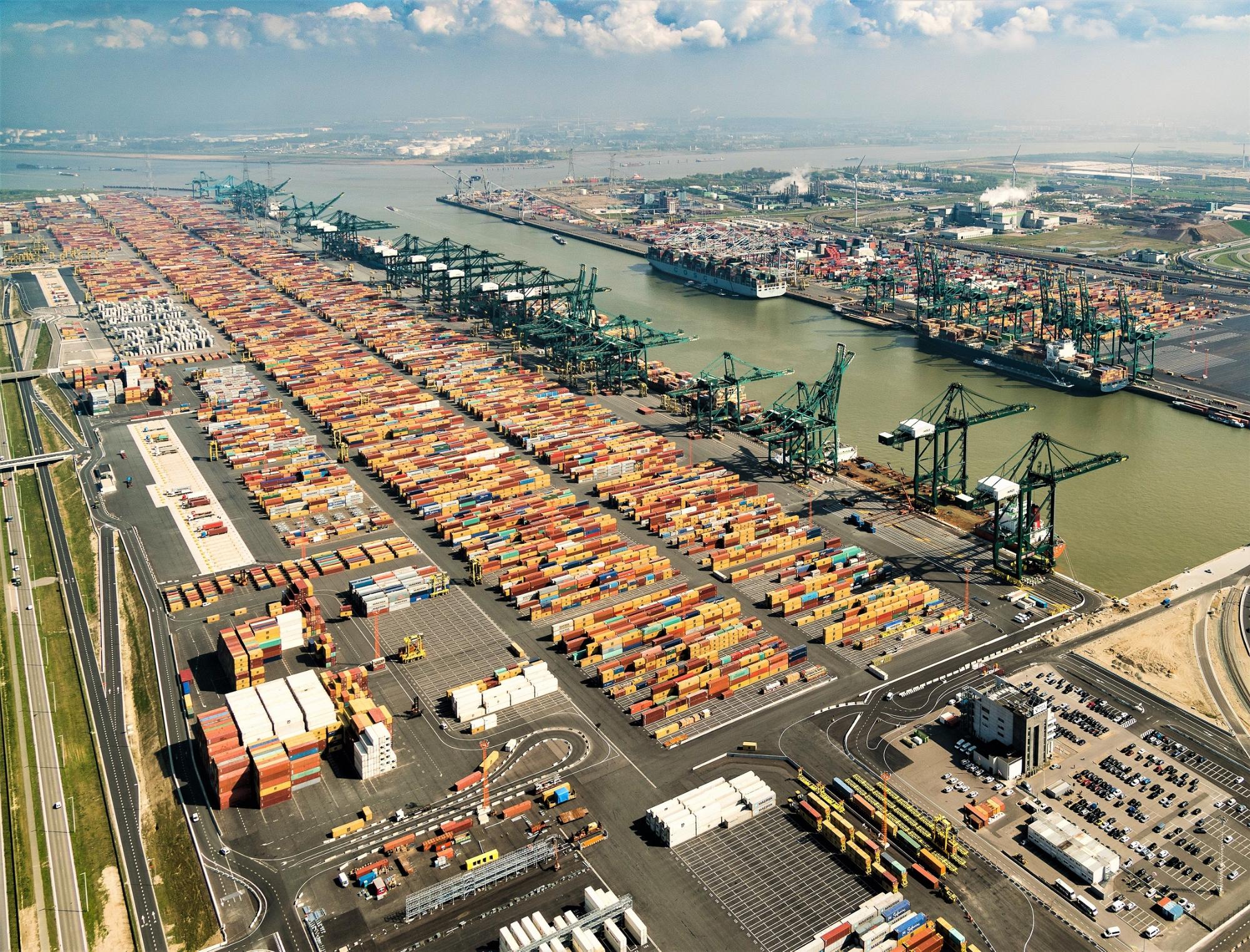
Image credit: PSA International
“Historically, supply chain data can’t be trusted because it’s very flawed. It’s very hard to make sense of what’s happening to shipments around the world,” claims ClearMetal founder and CEO Adam Compain.
As such, he saw the need to develop technology that could automatically clean and make sense of such data.
With its software-as-a-service solution, ClearMetal merges supply chain and logistics with data science, AI, machine learning, and software engineering. This provides users with visibility into their inventory and transit, bringing clarity to a previously opaque process.
Using its proprietary network, ClearMetal deploys its software to gather data primarily from service providers – such as freight movers and haulers – as well as from IoT, satellites, and third parties. The data allows ClearMetal to provide visibility across more than 30 container freight milestones and counting.
With the introduction of AI, ClearMetal is able to go further by assessing risk and providing predictions. This enables users to anticipate delays or identify shipments that will likely cause issues with otherwise routine tasks.
The ability to predict delivery times has resulted in improved cash flow for ClearMetal’s users, says Compain. Users are now able to optimize their delivery process to the letter, giving them the most bang for buck. Other benefits noted by clients include reduced transportation costs, increased revenue, and differentiated customer service.
Compain is also optimistic about industry adoption, saying the company has been receiving positive feedback since it started in 2014. “Retailers and manufacturers are feeling a lot of urgency to digitize their supply chains. We’re finding very strong traction with progressive-minded shippers.”
It helps that ClearMetal’s platform is user-friendly and easy to implement, despite the sophisticated underlying technology. And since it’s cloud-based, there’s no need to deploy an IT team on site whenever updates or new features are launched.
In 2017, ClearMetal raised US$9 million in series A funding. The round was led jointly by Prelude Ventures and Innovation Endeavors. GT Nexus co-founder John Urban, SAP.iO, PSA Unboxed, and other investors joined in.
Digitizing trade documentation
Some emerging markets have poor infrastructure and rely heavily on subcontractors. In such areas, it can be difficult to know exactly where your goods are, and who’s handling them at any given moment.
Paper documents don’t only add to the burden and congestion, but they can also lead to disputes over authenticity. These hurdles can jack up the cost of transporting goods.
One potential solution is OpenPort’s blockchain-based digital records. In the long run, traceable and secure digital trails will replace paper invoices, proofs of delivery, bills of lading, and other trade documents related to executing the supply chain.
Ultimately, OpenPort aims to improve cash flow by reducing system inefficiencies and boosting collaboration, while increasing transparency in the delivery process.
“We use simple and pragmatic solutions to solve common issues, like providing a complete and visible trail of communication and events for a shipment from order to delivery through to payment,” says Sam Coyne, OpenPort’s vice president of marketing.
Consequently, banks and supply chain financiers can rest easy, as they can get real-time data directly from the manufacturer’s enterprise resource planning system.
According to Coyne, OpenPort’s platform handles roughly 13,000 shipments per month across customers in Asia and the Middle East. It also manages around 5,000 shipments per month across customers in the Americas.
Given its focus on emerging markets, majority of OpenPort’s operations covers the Philippines and Pakistan, but it’s also present in India and China. The company is also eyeing to enter Malaysia and Indonesia.
Orchestrating supply chain with tech
According to a 2017 report, the logistics industry is facing tough challenges, such as tighter environmental regulations and evolving customer expectations as well as rising transport costs and inefficiencies.
To meet the growing needs of their customers, logistics companies need to look into new technologies and solutions, such as Calista – short for Cargo Logistics, Inventory Streamlining, and Trade Aggregation. The global platform aims to facilitate and improve not only physical cargo processes and movement, but also the documentation aspects of supply chains, such as trade compliance and trade financing.
“Calista is an open architecture, digital supply chain orchestration platform [for supply chain stakeholders and communities]. The platform strives to provide integrated solutions for cargo owners – both consignors and consignees – along their global supply chains,” says Chong Kok Keong, CEO of Global ETrade Services, the developer of Calista. GeTS is a fully-owned subsidiary of CrimsonLogic, a majority-owned subsidiary under PSA International.
Calista will leverage Singapore’s extensive physical, financial and digital capabilities and connectivity for international outreach. The city-state’s government agencies, such as the Ministry of Trade and Industry, the Economic Development Board, and the Networked Trade Platform, are also key partners for the project. DBS Bank, the initial co-developer for the platform, will provide fintech solutions for trade financing and risk management for Calista users.
The first major phase of development for Calista is estimated to cost SG$20 million (US$14.4 million).
Calista might be an ambitious project, but it’s regarded as the first step in the next industrial revolution that’s expected to shake up various sectors, including logistics. More opportunities and innovations will continue to crop up in this space, making it exciting to watch.
PSA Unboxed helps startups work with global port operator PSA International, and is particularly interested in startups with technology and solutions addressing the cargo supply chain and ports. For more details, click here or contact PSA Unboxed directly at psaunboxed@globalpsa.com.
*Converted from Singapore dollars based on a rate of US$0.72 = SG$1.
Stay updated on the go with our mobile app.
Get latest insights with smoother, more personalized experience through TIA mobile app.
Recommended reads
 Indonesian AI startup goes global
 Forrest Li on scaling Sea, building smarter bots, and founder grit
 An AI assistant that joins sales calls and scores team skills
 SGX’s CEO says it doesn’t need a unicorn to win
 SMEs want AI too, but not the kind Big Tech is selling
 Oatside’s alt-milk rise hits a profitable gear
 Alibaba’s financial health in 12 charts
 Asia’s telcos bundle AI into mobile plans. Will it pay off?
 M-Daq chases bigger clients as revenue falls, losses grow
 VC tracker: Accel raises US$3.5b, including US$550m for India





Editing by Tan Wen Chuan, Eileen C. Ang, and Judith Balea.
(And yes, we’re serious about ethics and transparency. More information here.)