 Wen Chuan Tan · · 4 min read
How a cashback startup convinced frequent flyer programs to offer air miles as rewards

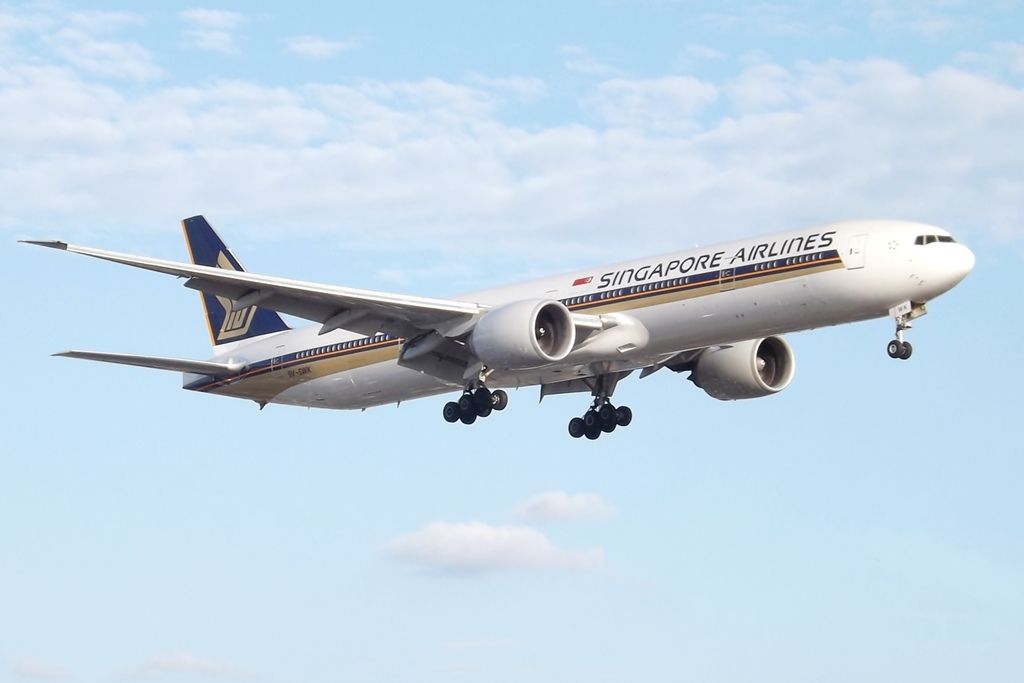
Image credit: Flickr
While shopping online, most consumers tend to log on to the site directly to make a purchase. However, taking the most direct route might mean missing out on potential ways to save money.
For example, shoppers who frequent cashback referral sites stand to earn rebates of up to 30 percent on their purchases by clicking on dedicated links that lead them to online stores.
These cashback sites typically receive referral fees from online stores and vendors, take a commission, and give rebates to customers from the remaining balance. While most cashback sites tend to only offer rewards in cash, RebateMango is switching things up by allowing customers to choose and earn from a range of rewards.
Apart from offering cashback, RebateMango gives out rewards in two other forms: air miles and loyalty program points. Currently, over 300 online retailers have partnered with RebateMango, including ecommerce giants Lazada and AliExpress, fashion e-tailer Asos, as well as travel-focused websites Agoda and Expedia.
If customers opt for air miles and loyalty program points, RebateMango purchases these miles and points directly from the loyalty program partners. Instead of having to withdraw these rewards, they are directly credited into the customers’ accounts.
Starting point

The RebateMango team. Image credit: RebateMango
RebateMango’s co-founders got the the idea to offer air miles and loyalty program points on top of cash rebates while they were working for online travel booking platform Agoda.
Paul Koh and Jesper Kauth met in Bangkok. Koh spent four years at Agoda, eventually serving as the head of loyalty partnerships, while Kauth was there for five and a half years, where he was the head of online affiliates.
The duo observed that cashback referral sites were gaining popularity, while there were a lot of users who were also “interested in miles and points instead of just cashback.”
Combining reward options also meant opening their business to a larger consumer base. Air mile earners are a significant market and RebateMango wants to attract these subscribers to accelerate and scale its business.
“Each frequent flyer program has millions of members, and we wanted to allow them to accelerate their redemptions by offering more ways to earn miles,” says Koh.
Currently, Singapore Airlines KrisFlyer miles, Malaysia Airlines Enrich Miles, AirAsia Big Points, GetGo Points are available on RebateMango’s platform, while loyalty program points like Changi Rewards Points are also available as a reward choice.
“We’re the first in Asia – if not the world – to combine such rewards,” claims Koh. “There is a space here because whenever consumers want to earn a particular form of rewards, they find a lack of relevant retailers for them to [redeem these rewards].”
Convincing airline frequent flyer programs to offer air miles
Getting an airline frequent flyer program as a partner wasn’t an easy task, but Koh relied on his stint at Agoda to understand what they require from partners. “For example, a white label page is something that they are always keen on,” he notes.
A white label page is a page dedicated to the airline, without any mention of RebateMango. Branding on the page is completely dedicated to the airline, allowing them to market and promote it as their own. Furthermore, users on the page will only be allowed to earn air miles as rewards. In comparison, other cashback sites prefer to simply co-brand a website.
Koh also discovered that airlines are keen on issuing air miles out to external partners.
At present, consumers largely earn miles from airlines, hotels, and car rentals. But “the airlines are trying to provide more variety on the places where members can earn miles,” explains Koh. “We can give them another scalable source of traffic, as opposed to doing it on their own which can be very costly,” he adds.
Offline cashback in the horizon
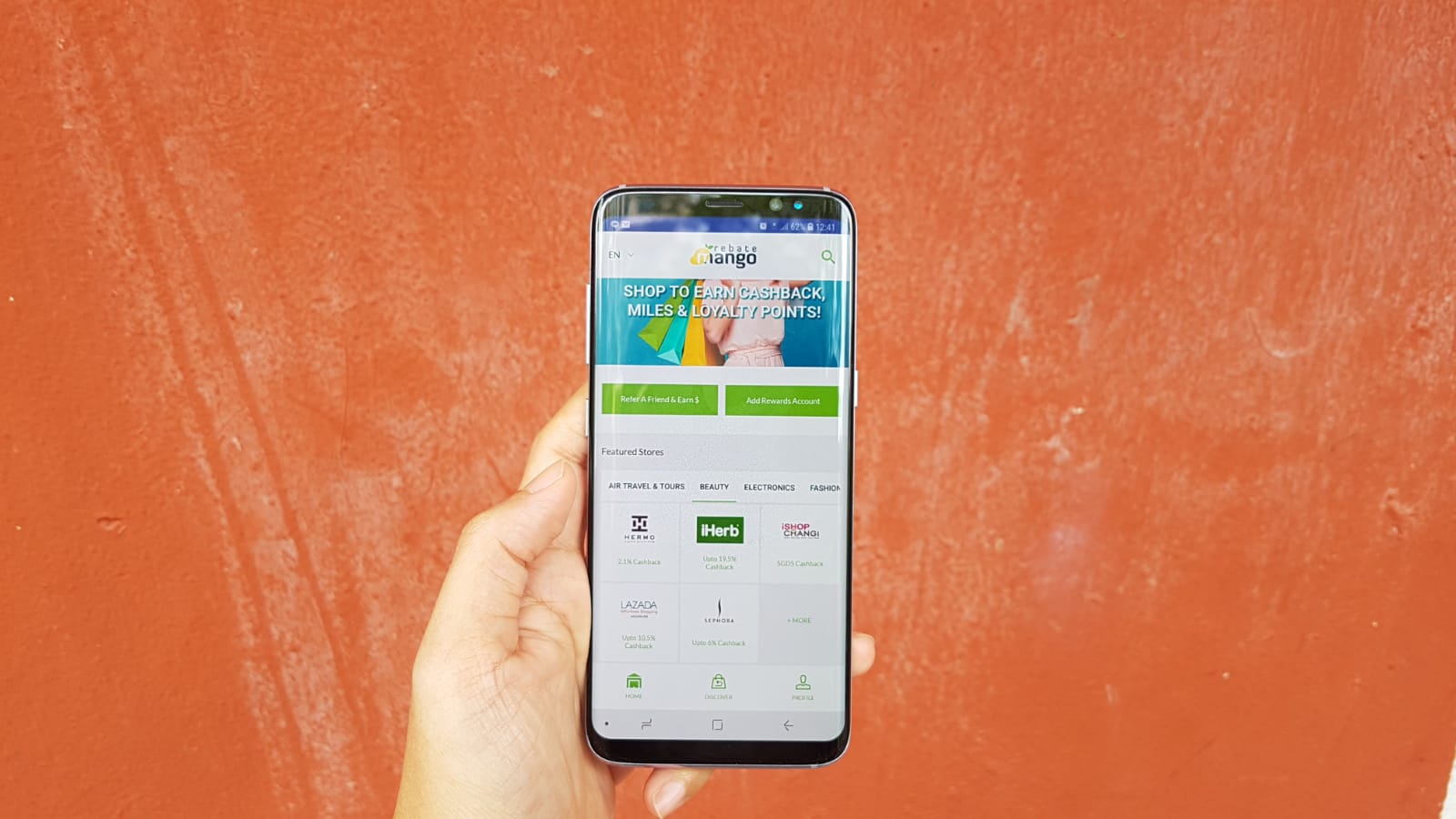
Image credit: PRNewswire
Launched in 2017, RebateMango has now extended its footprint to Malaysia, Singapore, and Thailand within a year. Koh claims that RebateMango has already raised about US$700,000, primarily from Hong Kong investors.
Encouraged by their speedy growth in the region, both Koh and Kauth are optimistic about the potential of RebateMango.
According to Kauth, while the appetite for cashback in Asia still lags behind Europe and the US, “it is a fast growing market, with a lot of potential for exponential growth”.
One of these areas is moving cashback to the offline space.
“For example, if you go to a theater or a restaurant, we want users to be able to earn rewards as well via our mobile app,” says Koh.
When this happens, RebateMango will be the first cashback site in the region to exist both online and offline.
RebateMango is currently available on both the Apple Store and Google Play. To sign up, go to RebateMango’s website here.
Stay updated on the go with our mobile app.
Get latest insights with smoother, more personalized experience through TIA mobile app.
Recommended reads
 Indonesian AI startup goes global
 Forrest Li on scaling Sea, building smarter bots, and founder grit
 An AI assistant that joins sales calls and scores team skills
 Beyond the check: Why VCs need more than capital
 SGX’s CEO says it doesn’t need a unicorn to win
 SMEs want AI too, but not the kind Big Tech is selling
 Oatside’s alt-milk rise hits a profitable gear
 Alibaba’s financial health in 12 charts
 Asia’s telcos bundle AI into mobile plans. Will it pay off?
 M-Daq chases bigger clients as revenue falls, losses grow





Editing by Nathaniel Fetalvero, Eileen C. Ang, and Judith Balea
(And yes, we’re serious about ethics and transparency. More information here.)



