Leighton Cosseboom · · 5 min read
6 local smartphone firms that stand to gain from the ‘made in Indonesia’ rule
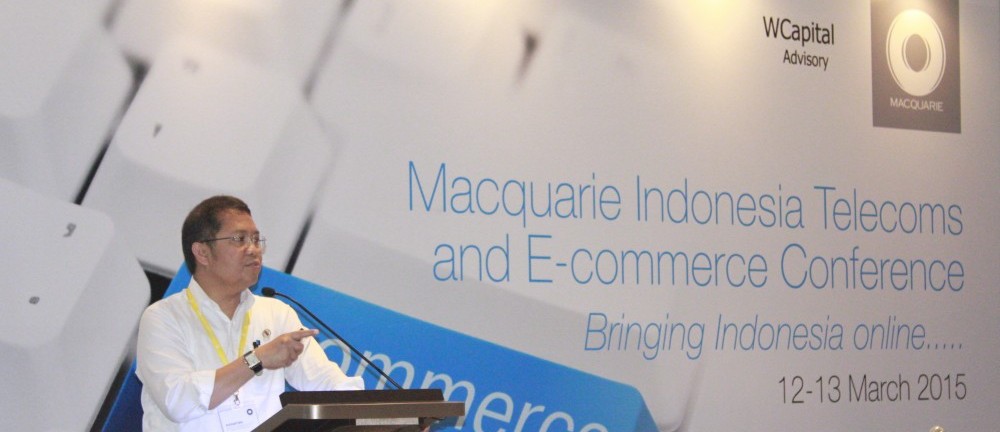
Rudiantara, Indonesia’s ICT minister.
Last week at the Macquarie Indonesia Telecoms and Ecommerce Conference, the nation’s tech minister Rudiantara corrected the media regarding the soon-to-be enforced ‘made in Indonesia’ rule for 4G handsets, claiming he never said that 40 percent of the device components will need to be produced locally.
However, the minister did promise that the decree will go into effect some time this year, and that he’s recently been in touch with local manufacturers to better understand their production capacities. Rudiantara says importing these particular products contributes significantly to the nation’s trade deficit, and that assigning a portion of the components to be built locally should be good for the economy.
While Xiaomi smartphones sold out at break-neck speeds via online flash sales in the archipelago late last year, the company’s VP of international Hugo Barra remains in a holding position in terms of setting up a factory in Indonesia before the 4G regulation goes into effect.
The mandate is a hot topic with numerous economic implications. However, the development does tee up a handful of local smartphone players to capitalize on Indonesia’s demand for 4G gadgets. In no particular order, here are a few of the companies that could stand to gain from Rudiantara’s upcoming ‘made in Indonesia’ decree.
Evercoss
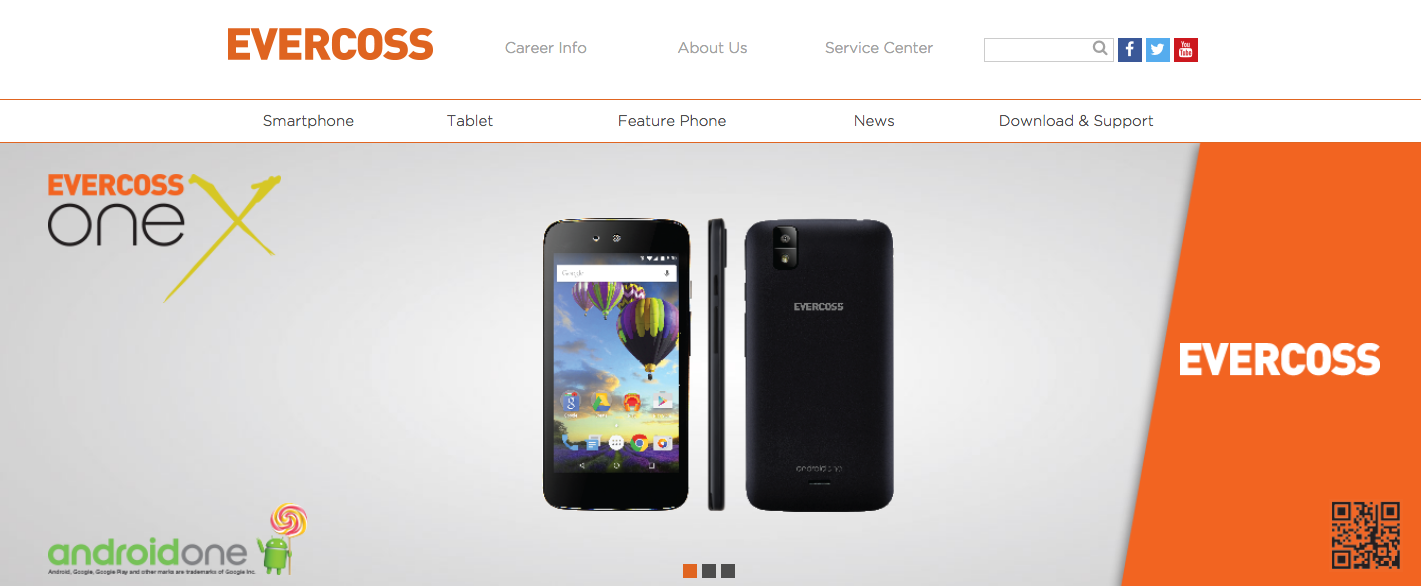
In recent years, Evercoss has been named as the largest handset producer in Indonesia. The reason for this is that the brand targets low-end buyers by pricing its devices competitively. In the past, its most expensive device was around Rp 2.5 million (US$192). This seems to still be the strategy for Evercoss, as it recently released the Evercoss One X, a handset that clocks in at around Rp 1.3 million (US$99). The One X is an Android One phone, which is indeed 4G compatible.
Evercoss’ other smartphones and tablets, however, are only compatible with the archipelago’s 3G network. As the company recently set up its own factory Semarang, Central Java, it’s not impossible that the brand could be a real contender in Indonesia’s race to produce more 4G devices locally.
See: Evercoss: Indonesia’s biggest handset manufacturer
Polytron





Stay updated on the go with our mobile app.
Get latest insights with smoother, more personalized experience through TIA mobile app.