 Jonathan Chew · · 7 min read
Debunking myths of funding winter with Antler’s Jussi Salovaara

For those of us in the tech industry, it might seem like the sector is on the brink of extinction.
It’s easy to see why – there’s been bad news after bad news after… well, more bad news.
“I’m basically getting founders asking me about the funding winter every day,” says Jussi Salovaara, managing partner and co-founder of global early-stage VC firm Antler. “However, I do feel like there’s a bit of hysteria that might not be fully warranted, especially for early-stage startups.”
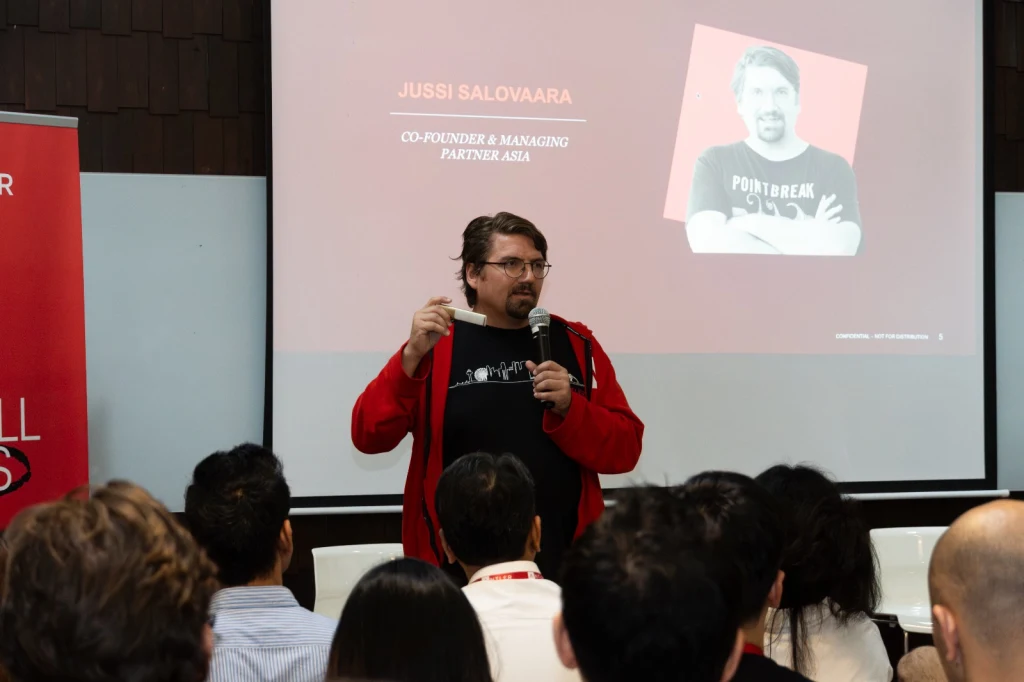
Jussi Salovaara, managing partner and co-founder of Antler / Photo credit: Antler
In line with that, investors like Antler are looking to reveal the truth behind investing in and building startups today.
“I understand that it can be difficult to dive into what’s happening,” he says. “Social media is full of founders posting this and that. But in reality, you have to critically analyze the current state of things.”
Unsurprisingly, the first step always involves reexamining existing beliefs and clearing up any misconceptions that founders might have.
Dipping toes in new waters
One thing that many startups are worried about now is that it’s a bad time to think about building for global markets.
What bothers Salovaara isn’t just because founders are anxious about this but also because – if taken further – this idea could cause founders to limit their companies’ growth.
“It’ll lead to founders avoiding the risk of overseas expansion and aiming for a smaller outcome,” he says. “Eventually, this might end up limiting the potential of the entire region’s startup ecosystem.”
While Salovaara says it’s not a bad idea to expand overseas now, startups need to be clear on the nature of their solution and whether it’s inherently fit for a global market or a local one.
In the former category, products and services should be able to solve issues that many people across different countries face. If this is the case, then Salovaara is confident that the product’s competitiveness will speak for itself when brought to a new market.
For instance, one of Antler’s Singapore portfolio companies, Reebelo, wanted to expand to the US. Since Reebelo is a marketplace for refurbished electronics, the platform can be used in any country with decent electronic device ownership – which is, safe to say, much of the global market.
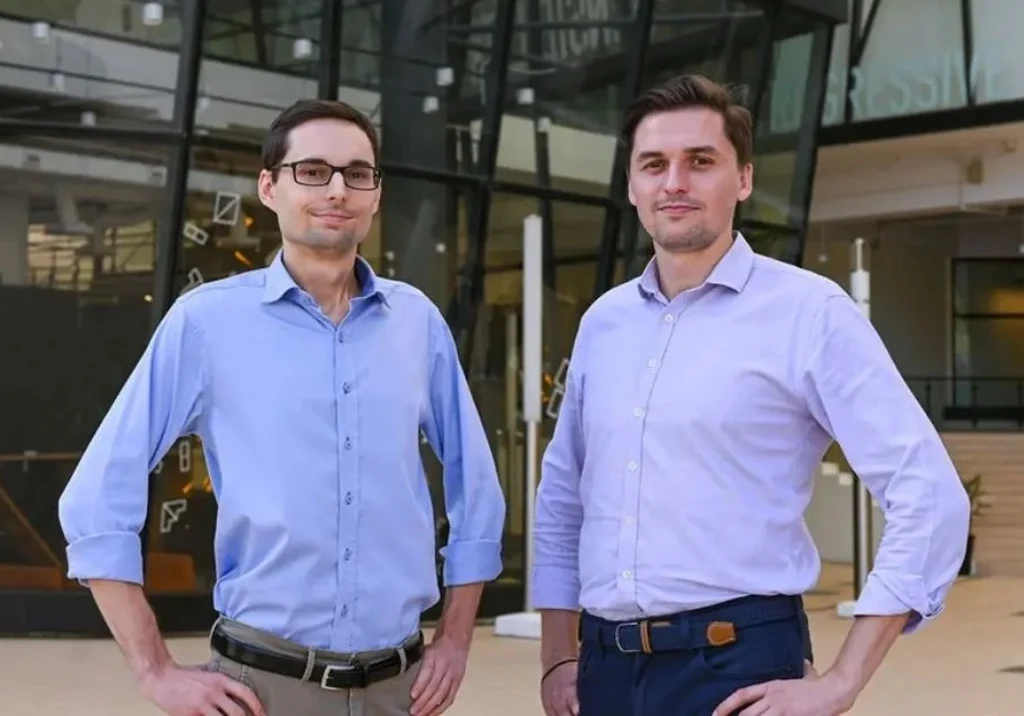
Reebelo co-founders Philip Franta and Rastouil Fabien / Photo credit: Reebelo
“Now, the US is their biggest market, and they’re already in Canada,” he adds.
On the other hand, startups with a local-focused solution – for example, agritech platforms for Indonesian farmers – have to be a bit more cautious. These companies need to ensure that they already have a deep foothold in their original base and a clear reason for expansion.
One thing applies to firms across both categories: Having the right guidance is a must.
Antler, for its part, has been offering a residency program where it works closely with founders for up to 10 weeks. Eventually, the residency puts startups in a position to raise capital and strategize for expansion. The residency is held in-person in 30 locations around the world – in Southeast Asia, that encompasses Singapore, Indonesia, Vietnam, and Malaysia – and founders have to apply for their respective location’s cohort.
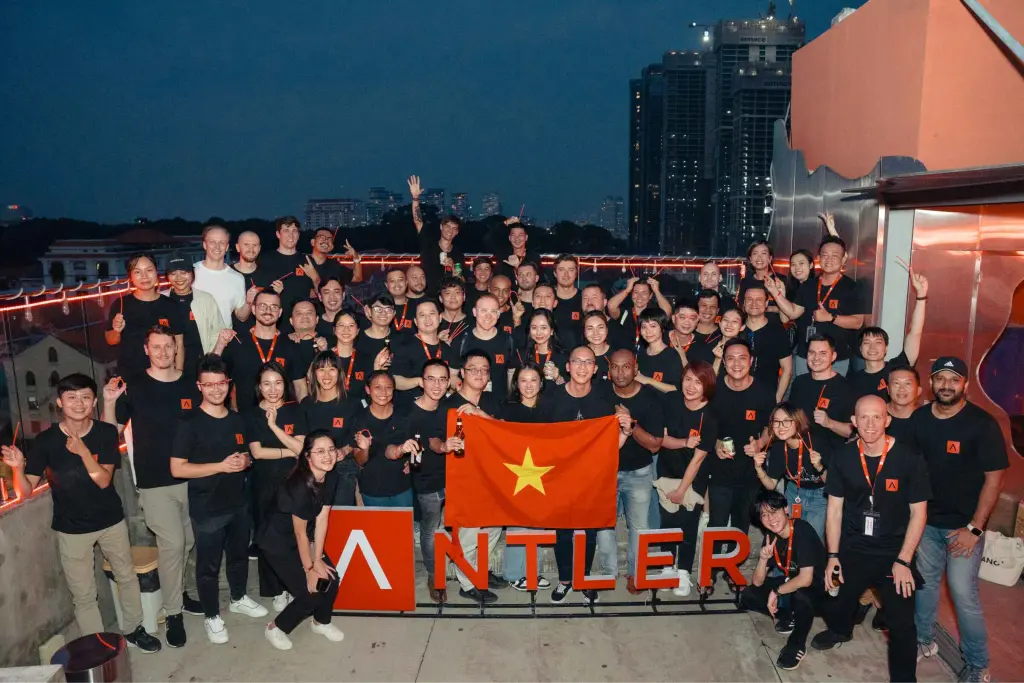
The April 2024 cohort for Antler’s residency program in Vietnam / Photo credit: Antler
It also helps if a startup’s investors already have a presence in the market founders want to expand to. The right VCs can put founders in touch with local talent or even suggest country managers to oversee the expansion.
“There’s no replacement for hard work, but what VCs like us can do is accelerate the expansion process and give startups a soft landing,” Salovaara says.
Examining the purse strings
Another idea making the rounds is that VCs aren’t ready to invest right now. This could lead founders to take fewer risks.
Picture a startup with about 12 months of runway with the goal of building for the first six months before attempting fundraising.
“If you don’t think VCs are investing, you’ll lower your burn and extend your runway to 24 months instead. But that also means you’re growing slower,” Salovaara says. “You’re taking less risk and may end up just killing the company without really trying. It’s rare that a startup starts contracting in an effort to manage burn and somehow miraculously starts growing again.”
Salovaara points out that in reality, VC’s do want to invest. The main issue today is whether companies match investors’ criteria.
For example, investors might be looking out for a certain amount in monthly recurring revenue or a strong user base, in contrast to previous years where founders could raise seven figures with “nothing but a pitch deck.”
“If you’ve done the best possible job you can, your business model is good, and you’re credible, then the VCs will be there to back you,” the managing partner says.
Case in point, one of Antler’s portfolio companies, eSIM store Airalo, secured a US$60 million series B round in August last year from investors like Peak XV, Rakuten Capital, and more.
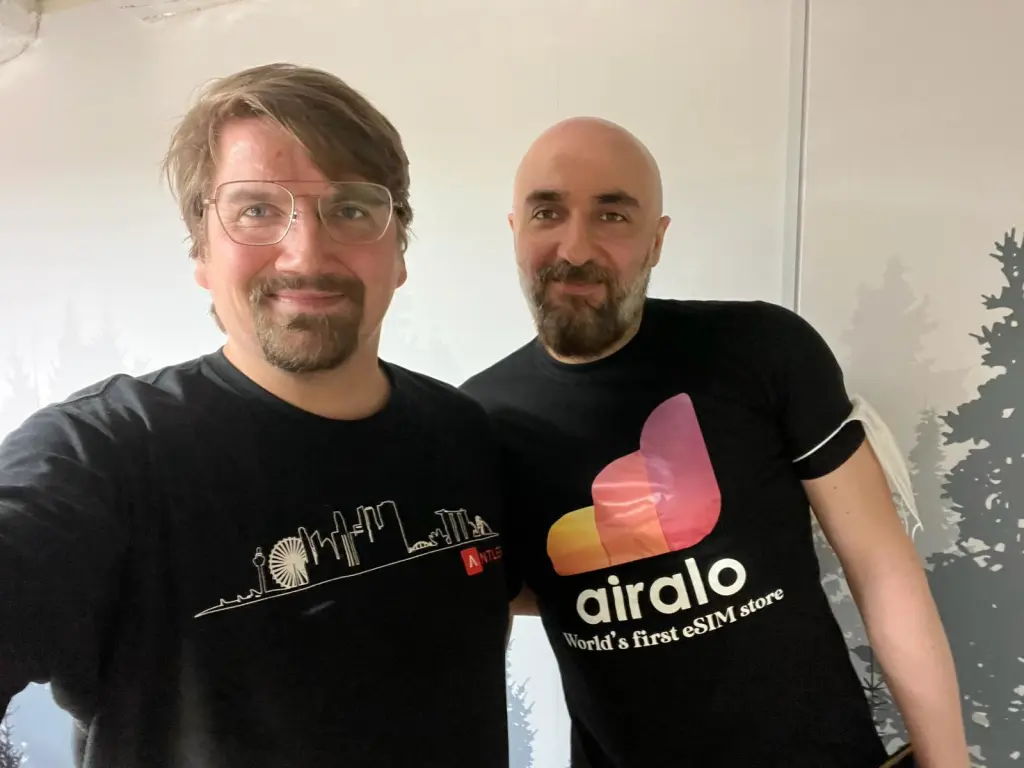
Salovaara together with Bahadır Ozdemir, founder of Airalo / Photo credit: Antler
It’s a reflection of how investors view the strength of Airalo’s business model as well as the fact that eSIMs are a potentially huge opportunity. In fact, in May this year, Airalo revealed that it recently recorded more than 10 million users.
Amid their fundraising efforts, founders might be concerned about raising enough capital to fuel growth, as well as diluting equity and potentially affecting future rounds. That’s where Antler’s new fundraising strategy for founders, called Agreement for Rolling Capital (ARC), comes in. It offers founders a good middle ground: access to capital without having to overdilute their company.
Through ARC, as well as the firm’s residency program, Antler will provide up to US$600,000 in funding for early-stage startups. This includes an initial check starting from US$110,000, with continuous follow-on funding over the next six to nine months, during which the VC firm will match the amount raised from other institutional investors at a 1:2 ratio, up to a predetermined limit.
Falling into the AI trap
With the mounting interest in AI, a lot of founders might think that building something related to the industry or pivoting to the vertical might be a good idea.
However, Salovaara believes that there are too many generic AI businesses that don’t solve an actual problem.
“On an ecosystem level, we’re going to end up with founders focusing on things that are futile, and a lot of tech talent in the region will be channeled into the wrong efforts,” he points out.
He suggests finding use cases that may not be that competitive but are unique enough that it requires partnering with a subject matter expert within the space.
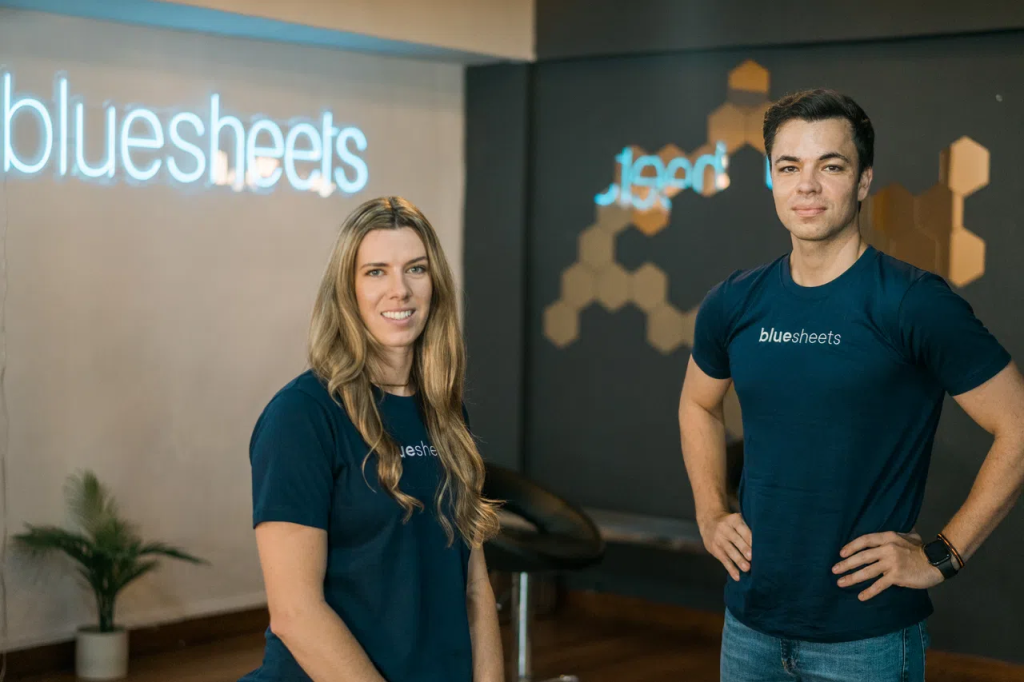
Clare Leighton and Christian Schneider, co-founders of Antler-backed Bluesheets. The startup uses AI to help businesses digitalize and automate their bookkeeping processes / Photo credit: Antler
“For instance, we have this company that’s using AI for egg trading. It’s not the sexiest use case, but that’s where the opportunities are – not in generic use cases like AI for customer service, where there’s 10 companies already doing the same thing,” he says.
Discovering true problems to solve will require going back to the “fundamental startup experience.”
“Founders should have experienced the problem themselves to understand the ins and outs and how AI could solve it in a completely different way.”
Changing the mood
All told, Salovaara hopes that VC firms like Antler can eventually make enough of a difference to dispel the prevailing tech winter narrative.
“The bar for startups may be going up, but that’s something that time can fix,” he says. “I also hope that we can get some good exits to bring the ecosystem to new heights, especially in Southeast Asia.”
As for startups still caught up in the throes of the struggles in the tech sector, his advice is to keep going strong and focus on building the best startup they can.
“The fundamentals have not changed. Put together a great team, build a great product that people need, and you’ll be sure to get funding,” he says.
“There has never been a better time to build.”
Antler is a global VC firm that invests up to US$600,000 in early-stage startups in Southeast Asia and US$10 million for growth-stage companies at series A and beyond. Its residency program is open to individuals who are still ideating, as well as founding teams in the early days of building their startups. Reach out to Antler’s scouting and investment team for more information by applying for the residency here
This content was produced by Tech in Asia Studios, which connects brands with Asia’s tech community. Learn more about partnering with Tech in Asia Studios.
Stay updated on the go with our mobile app.
Get latest insights with smoother, more personalized experience through TIA mobile app.
Recommended reads
 The truth about AI language models: No one wants to pay for them
 Tracking AI hiring in Singapore: OpenAI, Anthropic, and more
 SEA financials tracker: Moladin’s revenue rises 6% in 2025
 On‑demand services lift Line Man Wongnai’s 2025 revenue to $544m
 Flipkart’s costly late push into quick commerce and food delivery
 Inside Singapore’s government team that kills its own products
 Once an IPO hopeful, SCI Ecommerce nears collapse
 Who’s betting big on ChatGPT ads? Not Asian brands
 VC tracker: Granite Asia launches US$50 million fund
 GCash trims IPO ambitions to meet market realities





Editing by Stefanie Yeo and Jaclyn Tiu
(And yes, we’re serious about ethics and transparency. More information here.)





📅 Upcoming Events
22 October 2026
Payoneer x CSPN Summit 2026