- Premium Content It takes our newsroom weeks - if not months - to investigate and produce stories for our premium content. You can’t find them anywhere else.
 Jofie Yordan · · 5 min read
Why SEA lags India in quick commerce race
The market conditions of quick commerce in India and Southeast Asia are like night and day.
Despite a boom in the industry – which focuses on making deliveries in under an hour – in early 2022, many quick commerce players in Southeast Asia either shut down or pivoted to other business models shortly after.
In India, meanwhile, quick commerce is thriving, even “stealing thunder from mainstream ecommerce giants,” Roshan Raj, a partner at Redseer Strategy Consultants, tells Tech in Asia.
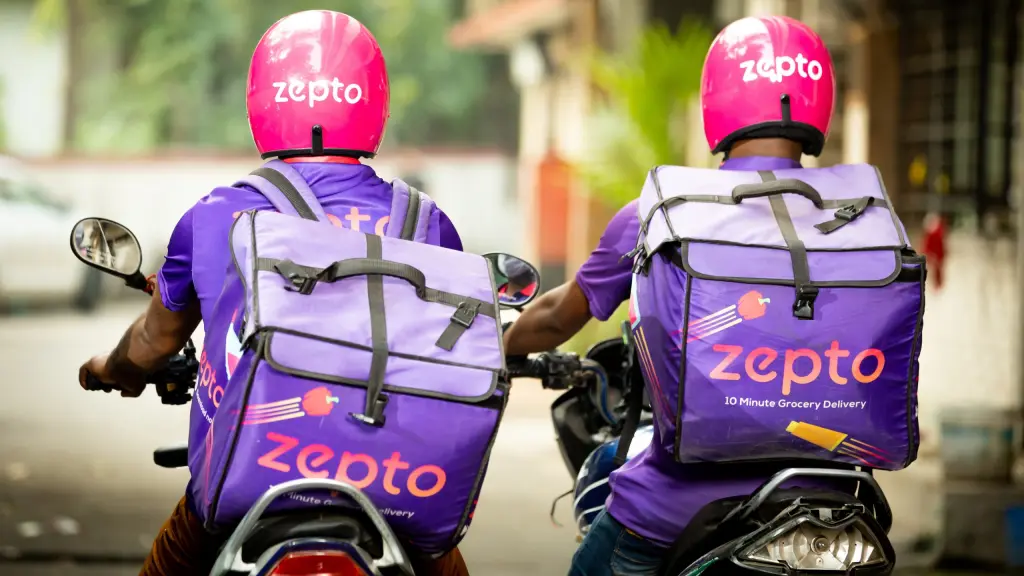
Zepto riders in India / Photo credit: Zepto
Last year, India’s quick commerce sector grew at an annual rate 5x faster than general ecommerce in terms of gross merchandise value, reaching US$2.8 billion.
In Southeast Asia, companies that primarily focus on the quick commerce vertical – such as Vietnam-based Rino as well as Indonesia-based firms Dropezy and Bananas – largely struggled.
Why is there such a large discrepancy?
Mimicking and ‘masstige’
There are three major quick commerce players in India: Zomato-owned Blinkit, Swiggy’s Instamart, and Y Combinator-backed Zepto.
The key to their success – at least according to Redseer’s Raj – is that the players have expanded beyond groceries and FMCG to offer a wider range of product categories. This essentially mimics general ecommerce platforms.
Additionally, these firms target the “masstige” (mass prestige) and premium customer segments who are willing to pay more for quicker delivery.
See also: Behind India’s race to deliver everything, everywhere under 15 minutes
Despite the industry’s relatively low average order value, these companies have achieved “good levels of operational efficiency and order volumes to attain good unit economics,” says Elsha Eliasa Kwee, investment manager at Genesia Ventures.
She adds that quick commerce has become a top-of-mind option for grocery shopping and daily needs in India. So, expansion into categories such as beauty and gadgets – where sales margins are typically fatter – helps the players increase their overall profits.
Southeast Asia’s thousand islands
Before the tide went out
Long-term prospects
Stay ahead in Asia’s tech landscape
This is premium content. Subscribe to read the full story.
The Philippines and Indonesia are made up of thousands of islands, which makes logistics more challenging.
We know this is not ideal. ⌛ Sign up in 20 seconds. Cancel anytime.
Our subscriber community includes professionals from these companies:





Stay updated on the go with our mobile app.
Get latest insights with smoother, more personalized experience through TIA mobile app.