Harsimran Julka · · 7 min read
20 tips to prevent early stage failure in startups

Photo credit: PublicDomainPuctures.net.
In the early stages of a startup, entrepreneurs are often faced with moments of dejection and rejection more than successes. Whether it’s failure to convert a client, seal a deal with an investor, retain a crucial employee, a too-high burn rate, or differences with partners, battle-scarred entrepreneurs need to devise techniques to surmount the early stage failures. They need to take charge and revitalize for the next challenge if they wish to save the startup in its early stages, which last about two or three years. Below are a few techniques that you as an entrepreneur can employ to recover from the battered spirits every day during that period.
1. Chats with a co-founder: It helps to have a co-founder to talk out the issues or simply celebrate a failure over a beer. If not – then make a trusted employee your ersatz co-founder whom you can use as a sounding board. Venting out the frustration or dejection on a spouse/partner (if you have one) may not always yield positive results. If a low period lasts for months, especially if it’s a product you’re building, the partner may reach his/her tipping point. And it may not be a good thing for a startup. If you know what I mean 😉

Photo credit: Herald Sun.
2. Don’t neglect health: Go out and run, jog, or play sports every day (or as often as possible). Make it a routine. Exercise will keep your body fit and mind sharp to handle the lows which are bound to occur in the early years.

Photo credit: Atlanta Ballet.
3. Have a passion besides your startup: It’s important to have a hobby – which you love besides building your startup. It always keeps you engaged and improves your persona. You may not progress in your startup – but a hobby such as music, sports, or even rock climbing can make you feel accomplished and alleviate stress.
4. Keep your family close: They will be your emotional anchor and keep you in good stead. Your business partners may not be there for you for life, but your family, especially parents or siblings will.
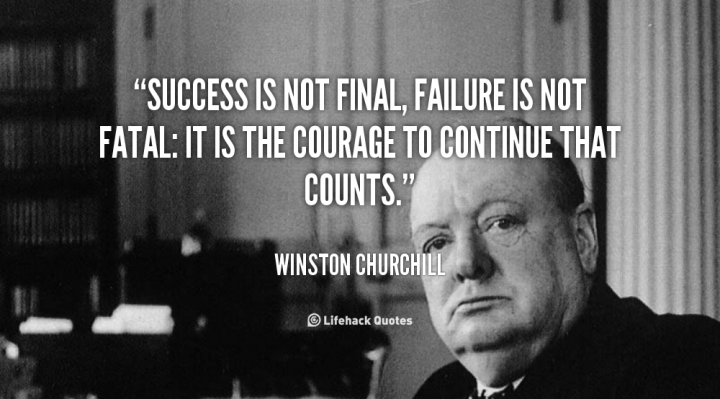
Photo credit: LifeHack.
5. Rejection is not failure: Often entrepreneurs take rejection too personally. The client may have a different need which you could not recognize properly. Rejection by investors is not necessarily a failure, if you use it as constructive feedback or a chance to build relationships. With every rejection, you’ve built a relationship, to sell something else to the client in future. There are lessons to learn even when the answer is “no.” There is a scarcely an entrepreneur who hasn’t faced rejection in the early stages.
6. Networking, networking: Ever wondered why startups have so many meetups and entrepreneurs just love to hang out there? That’s because at these events they realize that many like them are also on a leaking boat. Science shows shared misery increases trust. It develops empathy and makes them feel that they’re not alone in this difficult journey. Others too are climbing different mountains of equal difficulty. Besides, one can get a prospective client or partner there! You may even end up with mentors who can help you along the path to success.





Stay updated on the go with our mobile app.
Get latest insights with smoother, more personalized experience through TIA mobile app.