
While attending the monthly Startup Saturday event at Innov8 in New Delhi last week, an interesting thought popped up between discussions on entrepreneurship.
If your startup solves a critical problem for the masses but may break a few local laws or operate in a grey zone, should you run it under the radar?
“It is always easier to ask for forgiveness than ask for permission,” said CabsGuru founder and CEO Pulkit Ahuja. Pulkit hacked into the Ola and Meru apps when they declined to share their application programming interfaces (APIs) with him. He then reverse-engineered their apps to build his own app that compared the prices on the popular ride-hailing services.
Hacks are commonplace in India, as legal battles in courts take years and the copyright law enforcement is not as strong as in the West. Companies such as Uber and Ola operated in New Delhi for over six months despite being banned by the city government last year.
“We were very scared. But when we saw Ola and Uber operating in India despite a ban, we got some courage,” said Pulkit. With this hack, CabsGuru managed to raise over US$200,000 in its first year. Now its app steers a substantial number of users to the ride services.
TV news portrayed Uber executives as criminals.
There are many examples globally of startups that operated in grey areas before making it big. Uber, Airbnb, and Youtube have created new industries and disrupted old ones. They have another thing in common: negligible marketing until they got big enough. Avoid marketing your startup much, until you build a sound product that’s commercially acceptable, Pulkit advises.
When Uber hired private guards
In December 2014, a woman was raped by one of the drivers registered with Uber in New Delhi.
Uber was already facing trouble with India’s central bank. After the incident, the Delhi government banned Uber, calling it an illegal entity. The company’s offices were sealed. The police even took away computers. TV news portrayed Uber executives as criminals.
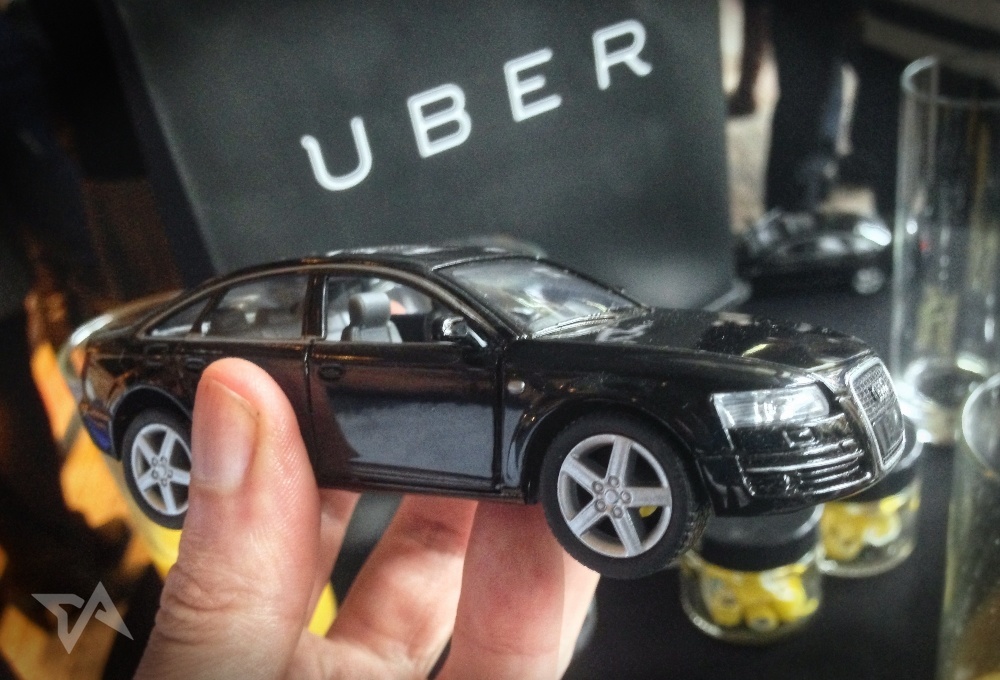
The Uber India team didn’t give up. They started operating out of a room from Hotel Taj Mansingh, just over two kilometers from the home of Indian Prime Minister Narendra Modi.
I was invited by Uber to a press briefing in the hotel. As I tried to enter the anonymous room on one of the top floors of the building, I was accosted by two guards. The threat to Uber staff in India had reached its highest level and private security had become imperative. But at that time, Uber had not spent a single dime on TV or outdoor ads in India. The police had to book an Uber to find the company’s office, as it never gives out its official local address on its website.
The prostitution problem
Confronting governments





Stay updated on the go with our mobile app.
Get latest insights with smoother, more personalized experience through TIA mobile app.











📅 Upcoming Events
22 October 2026
Payoneer x CSPN Summit 2026