 Fariha Imran · · 5 min read
Opinion: Bangladesh’s startup scene may seem quiet, but not for long
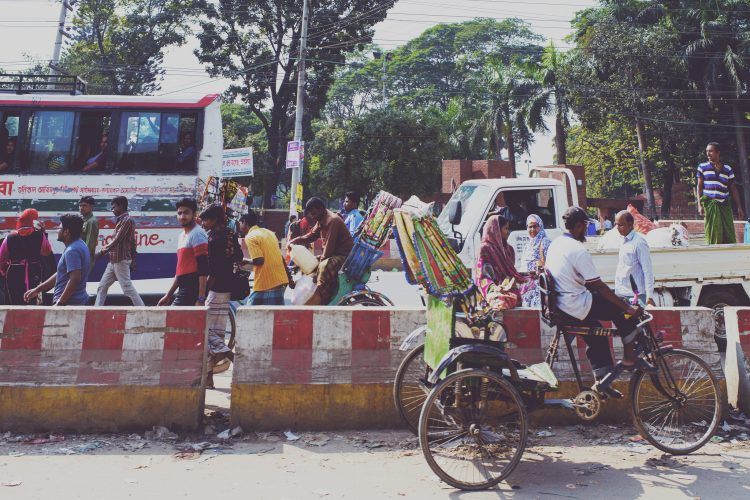
A bustling street in Dhaka. Photo credit: Göran Höglund
If you’re a startup founder or investor based in Bangladesh, there are a lot of things to be excited about. A young country where 60 percent of the population is below the age of 30. A growing middle class that makes up a third of the population. Mobile-first internet users, hungry for content and services. Even the drawbacks⏤like the large rural population, poor infrastructure, and lack of internet access⏤can present themselves as opportunities.
At the same time, the Bangladeshi startup scene is relatively quiet. This article looks at how the startup ecosystem in Bangladesh has evolved, especially since it was thrust into the spotlight by Startup Dhaka, a documentary from tech news site SD Asia. Instead of the market’s potentials, which have been covered many times, I also take a look at the current startup climate, its trends, as well as strengths and weaknesses.
Setting the scene
Entrepreneurship is not new in Bangladesh. Various institutions and communities have long encouraged the setting up of small businesses as a means of economic development and individual empowerment. It is safe to say that these entrepreneurship advocates formed the basis of the startup community we know today. These include organizations such as Grameen Foundation, Brac, and Ashoka, as well as individuals like Samira Himika.
Although technology entrepreneurship is not new in Bangladesh, the startup community is less than 10 years old. There are quite a few movers and shakers that act as advisors, role models, mentors, and experts for the community. These include startup founders such as Elius Hussain (CEO and co-founder of Pathao) as well as investors and experts like Samad Miraly (co-founder of SD Asia). There are also startup champions coming in from abroad, such as Amar Magon, founder of the now-defunct startup Loosemonkies.
In terms of local investors, there is a growing angel network in Bangladesh as well as VC firms such as Desh Ventures and others (here’s a list from Future Startup of the country’s early-stage investors). International VCs like 500 Startups, the Founder Institute, and Fenox Capital are also present.
In terms of corporate investors, the telcos play a big role in promoting tech entrepreneurship. A great example is the GP Accelerator program, run by Telenor subsidiary Grameenphone, which is now already on its fourth batch of startups. Robi Axiata has also rolled out an incubator program to encourage internal innovation amongst their employees.
It is also important to note the government initiatives in this space. The ICT Ministry launched the Digital World Initiative in 2014, which aims to support the country’s development through technology. The initiative promotes the use and integration of technology across various sectors, and fosters learning and collaboration between organizations and industries.
The current landscape
Our estimates and research show that there are around 280 startups in Bangladesh. An overwhelming 90 percent of these are based in the capital Dhaka, with a handful in Chittagong and Sylhet. There is also an overrepresentation of software development (65) and ecommerce (60) companies in the ecosystem.
Software development and ecommerce
Given the wide popularity of engineering education, it makes sense that there are so many software development firms in the country. Boosted by the government’s push toward ICT through projects like Leveraging ICT and Digital Bangladesh, it provides a lot of opportunities for software developers as both the private and public sectors move toward digitization.
The prevalence and success of ecommerce startups in Bangladesh has been previously covered both here on Tech in Asia and others, and is a symptom of both the burgeoning middle class and a savvy young population who prefer the convenience of online shopping. With a retail industry estimated to be worth US$16.8 billion and the national supermarket turnover reaching almost US$1 billion, this is definitely a lucrative industry to be in.
The Ecommerce Association of Bangladesh, a.k.a. e-CAB, which plays a big role in supporting the local landscape, estimates that there are 500 ecommerce stores and 2,000 Facebook shops in the country. The ecommerce sector also includes companies that act as enablers, such as payments and logistics providers.
In short, this is a very robust sector of technology in Bangladesh, which no doubt has contributed greatly to the country’s recent economic growth.
What does the future hold?
Conclusion





Stay updated on the go with our mobile app.
Get latest insights with smoother, more personalized experience through TIA mobile app.







📅 Upcoming Events
22 October 2026
Payoneer x CSPN Summit 2026