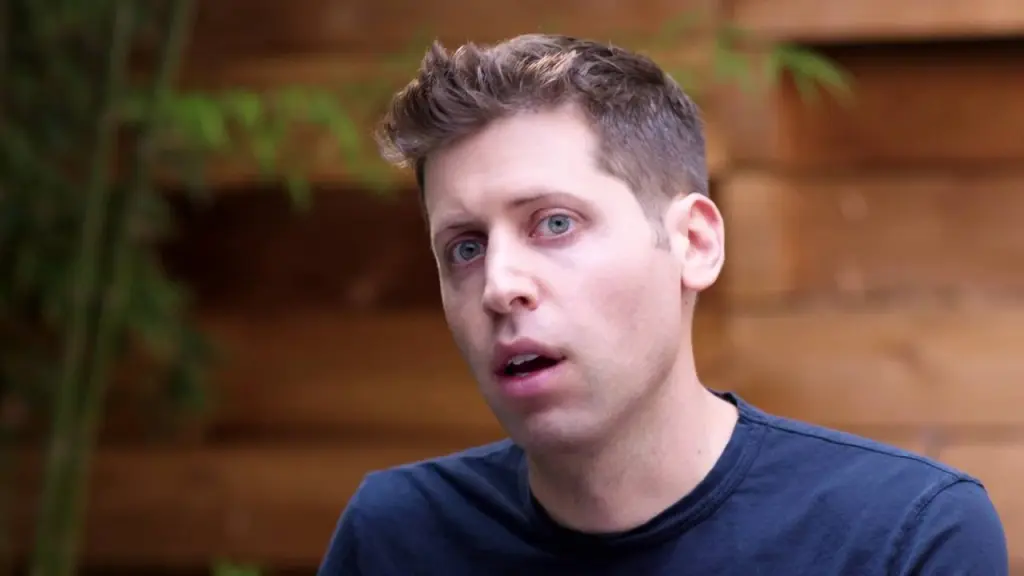
OpenAI co-founder Sam Altman / Photo credit: Y Combinator
While the news of layoffs is sadly common during the current funding winter, what caught everyone by surprise last Friday was who got the ax. Sam Altman, co-founder and CEO of OpenAI – and the poster child of the generative AI revolution – was ousted by the company’s board on Friday evening.
I was glued to the updates rolling out over the weekend, which was nothing short of a Netflix drama of a boardroom tussle. The story is still unfolding – the last update at the time of writing was how Altman and OpenAI co-founder and former president Greg Brockman has joined Microsoft to head their new advanced AI research team. Moreover, Twitch co-founder Emmett Shear has been appointed as OpenAI’s interim CEO.
Altman had investors and even key employees in his corner pushing the board for his return to OpenAI. But on Monday, it was revealed that talks between the company and him broke down.
This leaves many questions about how this decision by the board members will impact the company and whether this board will remain – there were reports that some board members were considering resigning.
However, the key question in my mind is whether this was just a play for power between Altman and Ilya Sutskever, OpenAI co-founder and board member, or if there are concerns about the company that we need to be worried about. After all, the firm said that Altman “was not consistently candid in his communications with the board.”
Brad Lightcap, OpenAI’s COO, mentioned in a note to employees that the board’s decision had nothing to do with safety or security practices. That said, earlier this month, Microsoft temporarily restricted employees from accessing ChatGPT due to security concerns. It’s definitely not reassuring when your own investor blocks your platform for security reasons.
It seems that there are also growing concerns within OpenAI, specifically with Sutskever and its independent board, of the direction of the firm. Unlike other company boards that are driven by the interests of investors, OpenAI’s board also consists of people who were keen on the company taking a cautious approach to developing AI.
OpenAI was founded by Altman, Sutskever, Elon Musk, and Greg Brockman as a non-profit lab with an aim to build artificial general intelligence. In 2018, it became a for-profit company when it raised US$1 billion from Microsoft.
Ironically, the firm that didn’t want to turn into one of the big tech companies driven by commercial incentives ultimately did, as it needed the money to build the technology powering its products.
But that’s not all. In September this year, Altman was reportedly in talks with investors in the Middle East and even with SoftBank to raise more money to build OpenAI’s hardware capabilities. The company was also exploring making its own AI chips.
See also: Mapping AI startups pushing SEA into the spotlight
This reminds me of WhatsApp’s founders who hate advertising and now see their platform being turned by Facebook into a gateway for brands to sell more things you don’t need.
I can see why this would rub some people the wrong way, as it looks like Altman was throwing caution to the wind and looking to win the AI race by building more powerful systems as quickly as possible.





Stay updated on the go with our mobile app.
Get latest insights with smoother, more personalized experience through TIA mobile app.