- Premium Content It takes our newsroom weeks - if not months - to investigate and produce stories for our premium content. You can’t find them anywhere else.
 Elyssa Lopez · · 6 min read
Can AI end the discount wars in SEA ecommerce?
This year’s 11.11 was the first official genAI-powered sales event, with major ecommerce players like Lazada, Shopee, TikTok Shop, and Zalora all touting their genAI tools to engage shoppers and sellers.
Despite the AI buzz, though, the usual excitement over the event’s sales figures seems to have fizzled out.
Even so, analysts believe ecommerce platforms will keep betting big on genAI to spark a turnaround.

Image credit: Made by Tech in Asia using Midjourney
How this effort will shape shopping habits in Southeast Asia remains uncertain for now. While genAI is undoubtedly here to stay, both customers and merchants have been slow to adopt it as a core part of their shopping and selling experience.
Moving beyond deals
The latest e-Conomy SEA report estimated that while Southeast Asian shoppers make online purchases nearly 8x more frequently than a decade ago, they are spending less per transaction.
Over the past decade, growth was driven largely by new users shopping online for the first time. Today, competition has become “intense,” according to the report, forcing platforms to focus not just on attracting new customers but also on retaining existing ones.
The region’s ecommerce space has long been “subsidized,” as Cube Asia co-founder Simon Torring puts it, with brands and platforms relying on deals and discounts to draw customers. Torring suggests that a differentiated user experience could become the key competitive advantage moving forward.
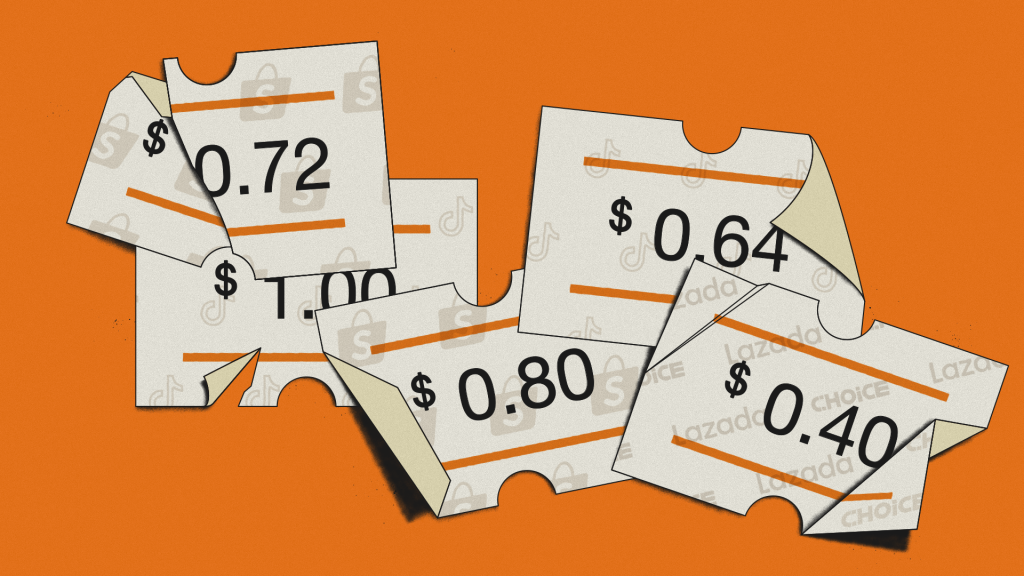
Image credit: Timmy Loen
“The market cannot stay in a price and promo-dominated competition, so these platforms would want to build moats,” he tells Tech in Asia.
Such a realization has driven Chinese platforms to move quickly to integrate genAI, which they believe can help amid stagnant retail sales.
Last year, JD.com introduced a feature enabling sellers to use its in-house virtual mascot, Yanxi, to host livestreaming sessions. According to the company, 4,000 sellers used this feature during the 11.11 sale.
Similarly, Alibaba introduced an image search feature in 2023, enabling users to find products on the platform by simply uploading a photo through the app. Its chatbot, WenWen, also assists customers by answering questions about product features and platform deals.
The growing need for personalization
Stay ahead in Asia’s tech landscape
This is premium content. Subscribe to read the full story.
SEA’s platforms are betting on genAI to enhance user experience and reduce reliance on discounts, but success is uncertain.
We know this is not ideal. ⌛ Sign up in 20 seconds. Cancel anytime.
Our subscriber community includes professionals from these companies:





Stay updated on the go with our mobile app.
Get latest insights with smoother, more personalized experience through TIA mobile app.










📅 Upcoming Events
22 October 2026
Payoneer x CSPN Summit 2026