Paloma Ganguly · · 4 min read
Satvacart shows the way to Grofers and Peppertap, shuns reckless scaling
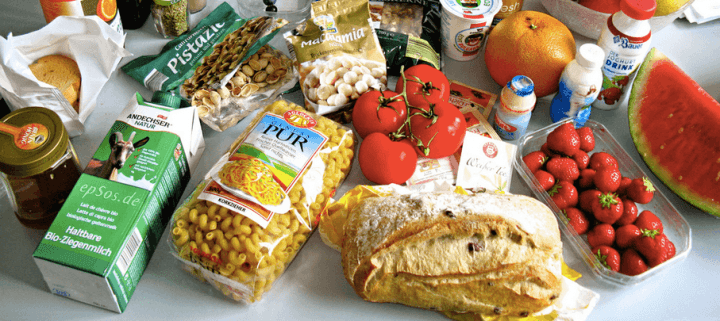
Photo credit epSos.de
How often have you run out of toothpaste, and cursed yourself for not ordering it in time? And admit it, it has happened with shaving foam, bread, and cooking oil too.
A hectic lifestyle means the groceries slip off your mind. But what if technology could remember it for you? Gurgaon-based grocery startup Satvacart has been doing exactly that. And with such elan that it could teach the bigger e-grocers a thing or two about business.
Barely a year-old, Satvacart has just announced a unit level break-even. “This means the variable cost per delivery for our non-subscriptions business is now lower than the profit from that delivery,” founder Rahul Hari tells Tech in Asia.
The achievement comes at a time when big grocery startups like Grofers and PepperTap are retreating from some cities and laying off staff.
Founded in 2014, Satvacart today delivers 4,000 products and has over 7,000 monthly customers.
Call it the FreshDirect of India

Photo credit: Benjamin Horn
Satvacart models itself on one of the largest and oldest e-grocery companies in the US, FreshDirect, which started in and restricted operations to the Queens area of New York for a long time.
The Indian follower operates only in Gurgaon. “It is a large enough market for us. We are moving slowly but steadily,” says Rahul, an MBA and a computer science graduate from IIT-BHU.
Satvacart contrasts the example of FreshDirect with another e-grocery retailer, WebVan, which expanded rapidly to 26 cities within a year of its launch, but soon went bankrupt.
Something similar is happening in India. SoftBank-funded Grofers has shut operations in nine cities as growth did not keep pace with expectations. PepperTap will similarly be scaling down and laying off staff. The company now plans to focus on depth rather than breadth.
Satvacart has stuck to Gurgaon. “E-grocery is a model that needs to be won city by city, not through rapid expansions,” says Rahul who believes scale needs to be governed by overall sales and profitability.
But why keep it small and miss out on a huge market like Delhi next door? “We have never had plans to operate small, but we operate cautiously,” says Rahul.
E-grocery is a technology game
Minimizing risk





Stay updated on the go with our mobile app.
Get latest insights with smoother, more personalized experience through TIA mobile app.