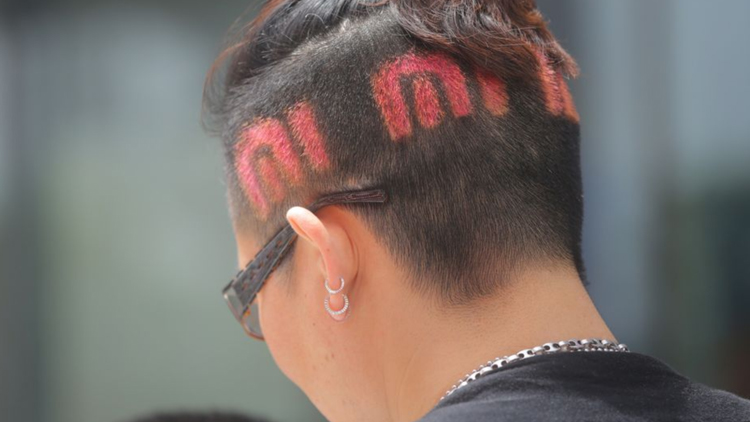
One committed Xiaomi fan. Image credit: Xiaomi’s official Weibo.
Xiaomi sold 14.8 million smartphones globally in the first quarter of 2016, a notable decline from 17.5 million in the last quarter of 2015.
The new figure comes from research by IHS Technology, and the Q4 number from Strategy Analytics. Tech in Asia reached out to Xiaomi about these numbers, and the company declined to comment.
Update: Since publishing this piece, a source from Xiaomi drew our attention to an article from last year which estimated that Xiaomi’s Q1 2015 smartphone sales were 14.9 million units. Comparing Q1 to Q1 helps account for changes due to seasonal buying preferences. With these new figures, the company has still failed to show year-to-year growth in smartphone sales.
The number shows that Xiaomi’s slowing growth in 2015 is turning into its worst nightmare in 2016: falling sales.
Xiaomi sold 70 million smartphones last year.
These aren’t official Xiaomi statistics, and reports compiled by research firms are best treated as estimates. But even providing for a hefty margin of error – and keeping in mind that Xiaomi has said it wants to move away from “goals such as smartphone sales” and isn’t likely to publish Q1 stats – the figures show a company that will need to improve its numbers if it aims to grow its smartphone department at all this year.
Xiaomi had originally aimed to sell 100 million phones in 2015, a dream that was eventually hedged to 80 million – which the company failed to reach, selling about 70 million. Having learned a lesson about setting one’s sights too high, Xiaomi hasn’t released a goal for 2016.
Sold out?
The most obvious reason why Xiaomi’s sales failed to take off in early 2016 is a simple issue of stock. The company sold out of Redmi 3 and Redmi Note 3 models, according to Kevin Wang, the author of the IHS Technology report. And Xiaomi’s newest flagship, the Mi5, is still only being sold only in flash sales.
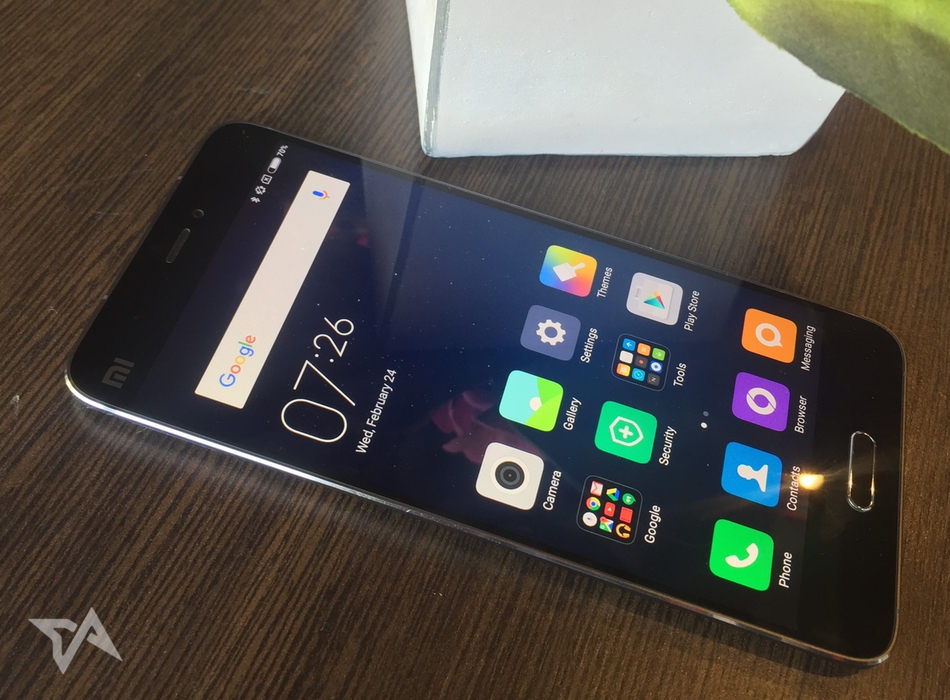
The new Xiaomi Mi5 was unveiled February.
The wisdom of the flash sale model – which managed to generate excitement around the company in its early days, when it was seen as an insurgent force against the Apples and Huaweis of the world – should be in question, as shoppers now have a mountain of other options in the sub-US$500 phone market, a sector that Xiaomi used to dominate.
Chinese rivals like Huawei, Vivo, and Oppo have already caught up.
Kevin said that Xiaomi’s sales “aren’t bad,” considering the fact that several of its most sought-after devices are difficult or impossible to buy. While running dry on phone stock is hardly an enviable position to be in, it should give the company hope for Q2. Assuming Xiaomi can get its Redmi phones back on the market and can open the Mi5 for general sales, then perhaps this first quarter will be a negative footnote on a generally positive year.





Stay updated on the go with our mobile app.
Get latest insights with smoother, more personalized experience through TIA mobile app.