 Terence Lee · · 6 min read
Uber is the biggest story for startups in 2014, period. Here’s why
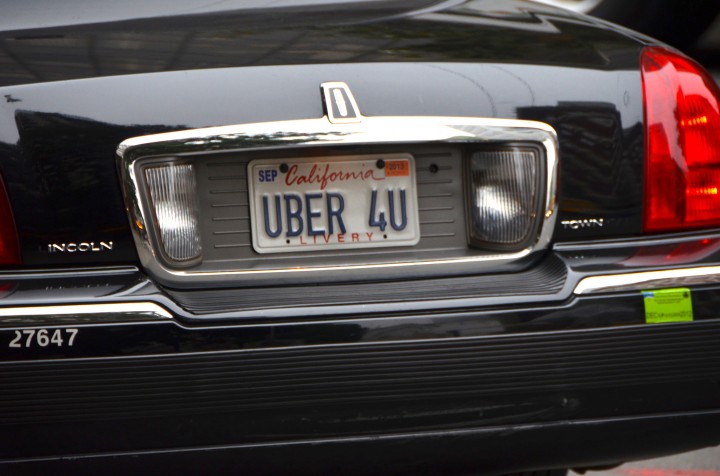
Uber has quickly turned from media darling to media villian, no thanks to accounts of rape and assault by Uber drivers, accusations of mysoginy by white male execs, and Uber CEO’s subsequent botched apology.
But these stories distract from what’s fundamentally at the heart of it all: that Uber has risen from the soup of nascency and become a behemoth, no matter that it’s more like Goliath than a gentle giant.
The numbers say it all: Uber is on track to generate US$1.5 billion to US$2 billion in revenue this year, according to leaked documents. The company’s latest fundraising round values it at US$40 billion, and the craziest thing is that this seems reasonable if revenue projections are accurate.
The investments into Uber totalling over US$2.7 billion, and not counting the recent rumored Baidu round, is the product of its sweeping vision, as well as the outsized resources needed to achieve it. I’ve spoken to a couple of Silicon Valley investors who passed on the Uber deal and they’re regretting it.
In essence, Uber wants to bring on-demand transportation to everyone. While it’s ferrying people now, its grand vision is to disrupt logistics. Bearing this in mind, we can now set some context for the so-called taxi app wars in Asia and how it has affected startups.
Uber is pushing up valuations for taxi apps
When Uber started in 2009, it begun as a company that matched private drivers with passengers. It was only three years later that it launched UberTaxi, a move which upsetted taxi unions and set the stage for its legal battles today.
Around that time, a whole gamut of similar taxi services started around the world, and some debuted earlier than UberTaxi. Olacabs and TaxiForSure launched in 2011, while Easy Taxi in Brazil, GrabTaxi in Malaysia, and Didi Dache from China began in 2012. Not as headline-grabbing but still significant are logistics-on-demand services like EasyVan and GoGoVan. Both began operating in 2013.

GrabTaxi bets that its Southeast Asian focus will give it an edge over Uber.
On the surface, these companies have different strategies. Uber started out with livery vehicles, then branched out into taxis and now accepts all private vehicles in friendlier markets. It has just begun dabbling in logistics. GrabTaxi and Didi Dache used only taxis in the beginning and have now branched out into premium cars. While they may be miles apart now, collision is imminent.
This year, we’re already seeing taxi apps vying for dominance from city to city. Singapore alone has Uber, Easy Taxi, Grabtaxi, and Hailo sniping at each other. The competition could intensify next year as these companies encroach even more into each other’s turfs.
The eventual convergence between these companies is probably what investors had in mind when they backed these various services. It explains why funding for the competition after Uber’s humongous US$1.2 billion round in June 2014 have ballooned:





Stay updated on the go with our mobile app.
Get latest insights with smoother, more personalized experience through TIA mobile app.








📅 Upcoming Events
22 October 2026
Payoneer x CSPN Summit 2026