 David Corbin · · 5 min read
Japan’s New Economy Summit held its first ever pitch contest. Here are the 9 finalists
For the first time, the Japan Association of New Economy (JANE) today put on a startup pitch competition at its flagship conference, the New Economy Summit (NES). Tech in Asia joined the event as a supporting partner and saw pitches from nine of Japan’s best startups.
JANE is a business organization headed by Hiroshi Mikitani, founder of Rakuten. Along with other heavyweights like CyberAgent and GMO, JANE works to influence national technology and economic policies. This time it threw its support behind the startup community and the result was a standing room only ballroom.
The first-place startup received a supplemental prize from Tech in Asia – free transport and lodging for Tech in Asia Singapore 2015 on May 6-7. They also get free entrance and a booth on Bootstrap Alley, so be sure to check them out.
The pitching companies are listed below, starting with the top three in the contest.
PopSlide
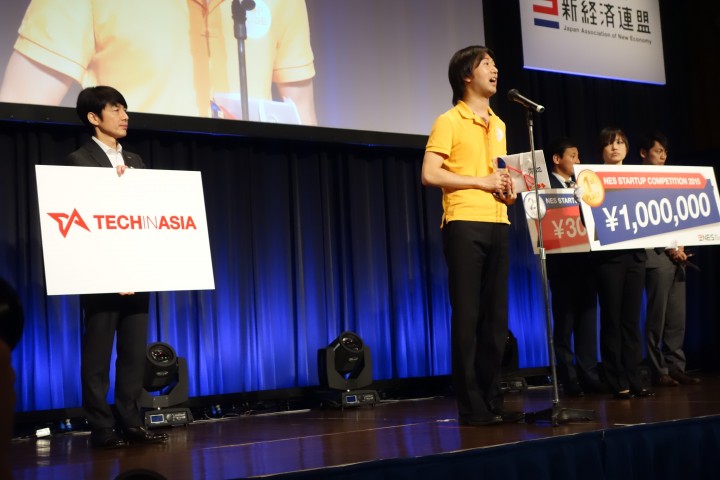
Already active in Indonesia and the Philippines, PopSlide is a solution for people tired of living with prepaid mobile phones. PopSlide gives you additional mobile time in exchange for reading or watching advertisements. Major advertising clients include McDonald’s, Unilver, and CNN. It scored 500,000 users off 700,000 downloads and now it aims to capture the rest of Southeast Asia.
It won the NES first-place prize of JPY 1 million (US$8,500), a JPY 300,000 (US$2,500) coupon for GMO’s cloud service ConoHa, and a free year of using GMO Payment Gateway. It will also be appearing on Bootstrap Alley.
Renoveru
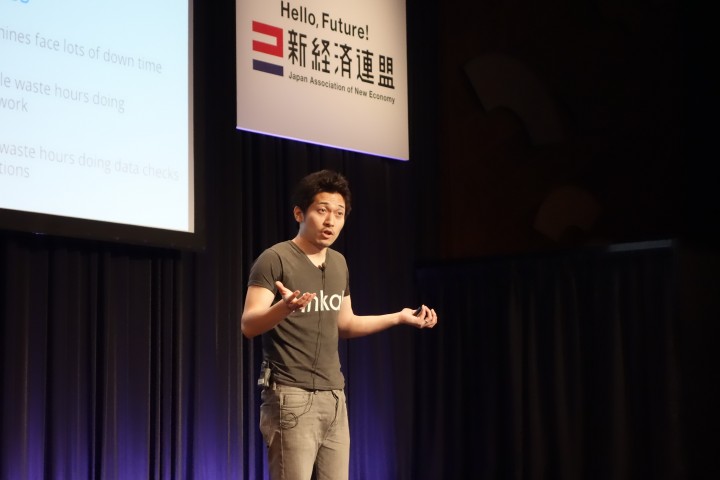
Renoveru is at the head of a new trend in Japan – the purchase of used apartments. Contracts for used property listings have risen steadily since 2003, topping 36,000 deals last year. The startup is not only a matching service, it also offers assistance in doing the actual renovation via its partnerships with designers and architects.
Tokyo’s difficult and expensive housing market gives Renoveru a wide field to play in. It received the second-place prize of JPY 300,000 (US$2,500).
IQON
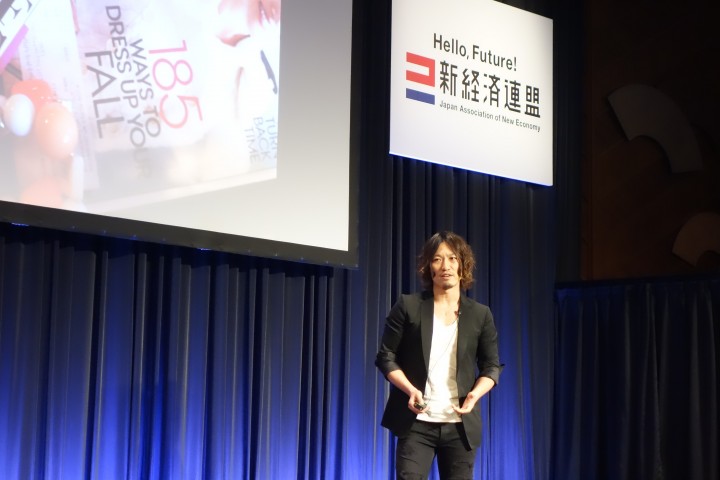
IQON is an ecommerce app with a twist. Users can post their outfits and gain followers. Those followers can spot an item or a combination that they like and then buy it from the original retail store. It’s the fashion equivalent of “I’ll have what she’s having” and it’s one of the launch companies of KDDI’s “Syn” portal, a bid to unseat Google as the most viewed website in Japan.
D Free
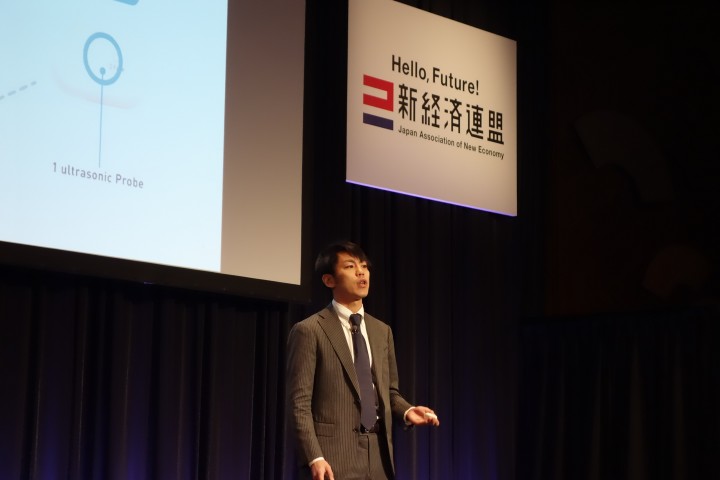
D Free produces a wearable device to be worn on your stomach. It detects and analyzes intestinal activity to alert you if an extended sit down in a bathroom is going to be necessary. The signal can also be sent to medical professionals, meaning D Free can assist individuals as well as hospitals. The startup touts its effectiveness at preserving the hygiene of the sick and the dignity of the elderly. It received the third place prize.
Kaizen
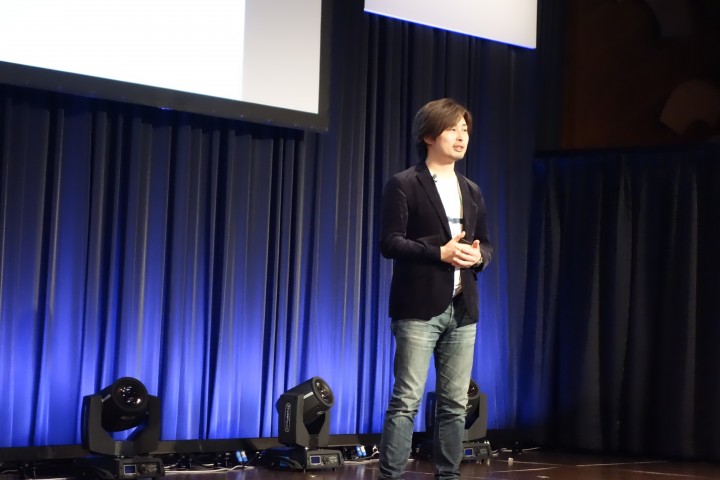
With Kaizen Platform users are able to sample various A/B tests at the same time and then see which one is most effective. Looking to the future, Kaizen Platform wants to apply A/B test and growth hacking concepts to a host of other media. From websites, it believes it is possible to jump into email, online ads, apps, and videos. Its corporate customers include Microsoft and Softbank.
Factelier
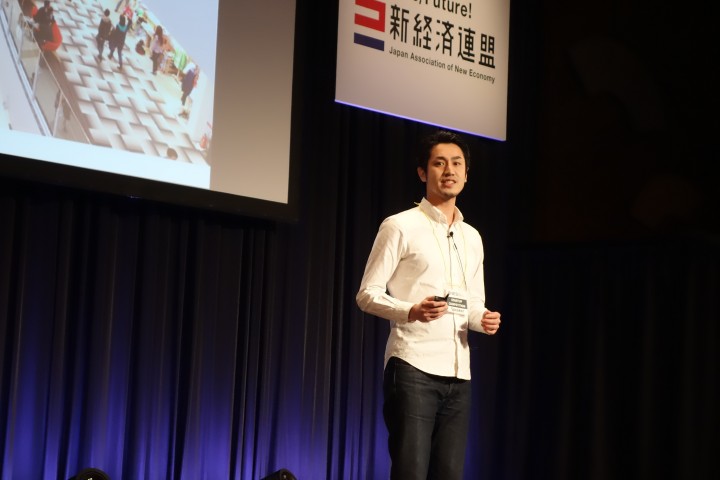
The ecommerce service allows people to get tailored clothes and fashion items direct from high quality makers. All the products on Factelier are hand-made, meaning buyers can enjoy clothes made with real craftsmanship. The attention to detail comes with a price, but users don’t seem to mind. 70 percent of buyers are return users.
MoneyForward
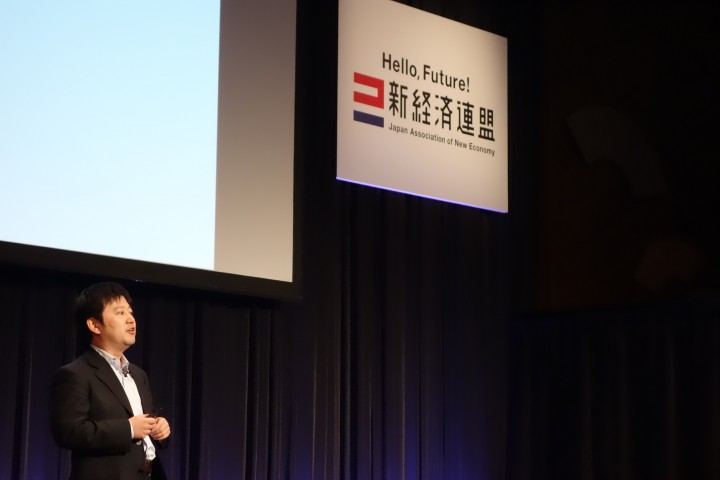
Fintech is a growing industry in Japan and MoneyForward is in the vanguard of the expansion. The firm is known for its personal and corporate cloud accounting service. Since its inception it has continued to add new services and partners.
It already serves 1.8 million individuals and has useful tools for corporate players like payroll management and tax return handling.
Rinkak
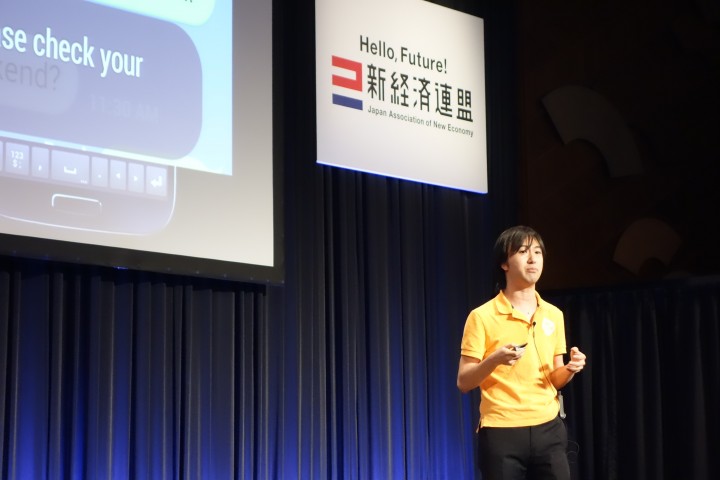
A matching service for makers and factories, Rinkak wants to democratize fabrication by reducing risks and costs. Makers upload their data and get an auto quote and profit margin estimate – then they can decide if they want to make the product or sell the idea. It also has its own 3D printing program as an additional monetization source.
Raksul
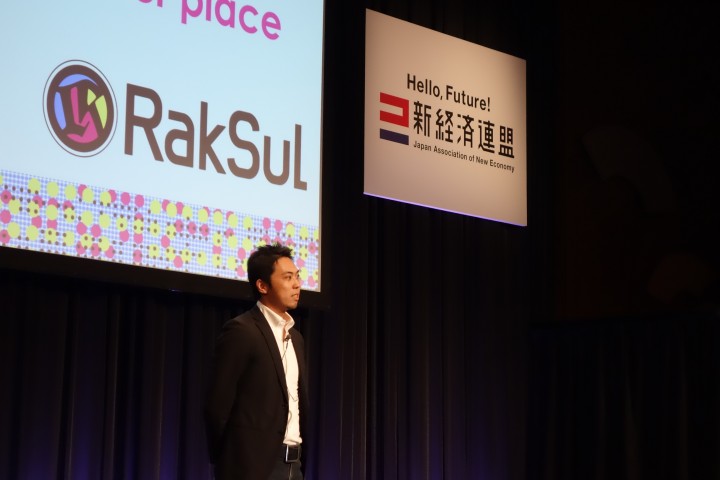
Raksul is best known for acting as a mediator between users who have printing needs and the thousands of printing companies around Japan ready to serve. Users can detail what their printing needs are – and even get assistance with the design and file formatting – and then look around at the different printing options in their area. To save time, users can also rely on Raksul’s own algorithm to find them the best printer and price for their needs. From there, the printing company takes over and delivers the goods to the user.
See: These are Japan’s 15 most-funded startups (INFOGRAPHIC)
Raksul
Raksul is a B2B platform builder with a vision of "better systems, better world". It has built platforms in printing, logistics and advertising.
- Location
- Japan
- Founded
- 2009
- Employees
- 11 – 50
- Website
- corp.raksul.com
- Latest Funding
- IPO
- Hiring
- 0 positions
Stay updated on the go with our mobile app.
Get latest insights with smoother, more personalized experience through TIA mobile app.
Recommended reads
 Nykaa’s financial health in 5 charts
 🇮🇳 Roundup: GlobalBees buys fitness brand Reach, more
 Binance, YG team up for metaverse, blockchain projects
 ConfirmU wins Tech in Asia’s latest Pitch Battle
 Family Mart expands partnership with Japanese shared e-scooter firm
 Thai blockchain startup emerges from stealth mode with mentor-to-earn platform
 UangTeman sues OJK for revoking lending license
 Square Peg backs Notion-like startup for presentations
 Zilingo names financial adviser as debtholders recall loan
 Coinbase to halt operations in Japan amid crypto slump





Editing by Steven Millward and J.T. Quigley
(And yes, we’re serious about ethics and transparency. More information here.)



📅 Upcoming Events
22 October 2026
Payoneer x CSPN Summit 2026