Steven Millward · · 11 min read
14 new Asian smartphone makers hoping to crush Samsung and Apple
Samsung was still the world’s top smartphone brand in 2014 – though only by a small margin. The Korean tech giant is under assault from Apple’s popular iPhone 6 at the top end of the market and from a veritable militia of new phone makers across Asia at the low-end to mid-range. The latest Samsung Galaxy S6 is putting up a strong fight with its more premium design, but 2015 could still be the year that Samsung’s statue is toppled.
The simple fact is that Samsung is in a precarious position. IDC estimates that about 1.5 billion smartphones will be shipped globally in 2015 – up from 1.3 billion last year. Many of those will go to markets like China and India where homegrown brands – Xiaomi and Micromax, respectively – have recently surpassed Samsung in terms of sales. Even in nations where Samsung still reigns, like Indonesia and Thailand, there are numerous new brands that look like a real threat to the current smartphone king. Those newer phone makers are aiming to get consumers hooked on their own keenly-priced but strongly-specced devices – ones that sell for about half the price of a comparable Samsung phone. Apple has its Mercedes-like brand cachet that helps it pull in wealthier consumers, but Samsung is very vulnerable.
Let’s look at 14 of the strongest new contenders across Asia. To quote a Bob Marley song: If you are a big tree, we are a small axe – sharp and ready, ready to cut you down.
China
1. Xiaomi
Xiaomi, which came out with its first phone in 2011, has expanded beyond China into India and several parts of Southeast Asia, making it a massive regional threat to Samsung, HTC, Huawei, LG, and any other Android-based phone brand. Its next step is into Mexico and South America, which will likely happen later this year. Wherever it expands to next, Xiaomi is aiming to produce and sell 100 million smartphones this year.
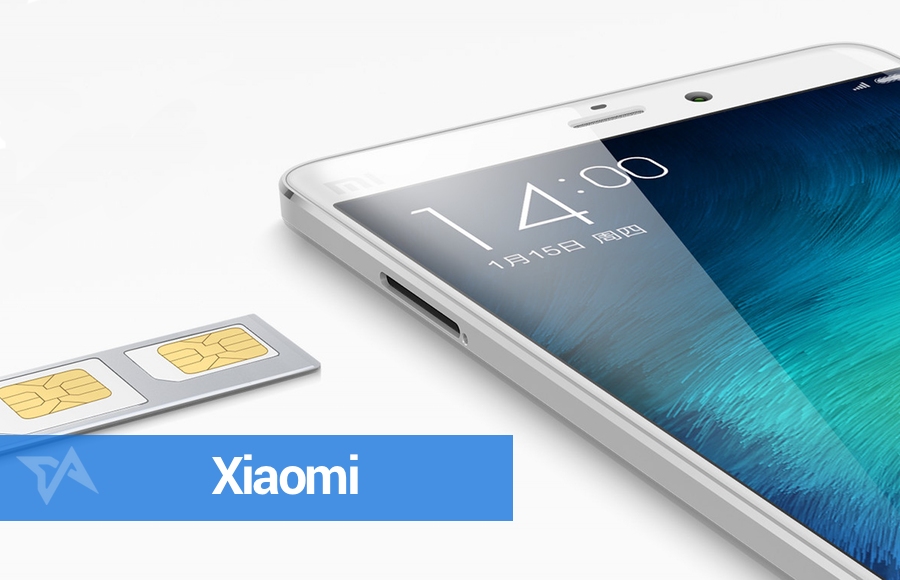
What’s Xiaomi’s secret? Its smartphones sell for about half the price of Samsung’s comparable phones, yet the strength and versatility of its Android skin (called MIUI) makes them feel like quality products. Xiaomi keeps costs low by selling the majority of its phones online, and the rest via telco partners. It doesn’t have any stores, but it does have service centers.
The Chinese startup (if it’s not too large for that moniker) has single-handedly brought the price of a strongly-specced phone down from about US$600-$700 to just US$320 – the price of its Xiaomi Mi4.
After starting out with a very minimal product line-up, Xiaomi is now expanding quickly into smart gadgets like the Mi Band fitness tracker, which it sells for just US$15 compared to price-tags of around US$100 for comparable screen-less fitness bands.
- Flagship phone: Xiaomi Mi Note has a 5.7-inch 1080p HD screen; Snapdragon 801 processor; 3GB RAM; 13MP rear and 4MP front camera. Price starts at about US$370, but it’s not yet available outside of mainland China. Check out our Mi Note review.
2. OnePlus
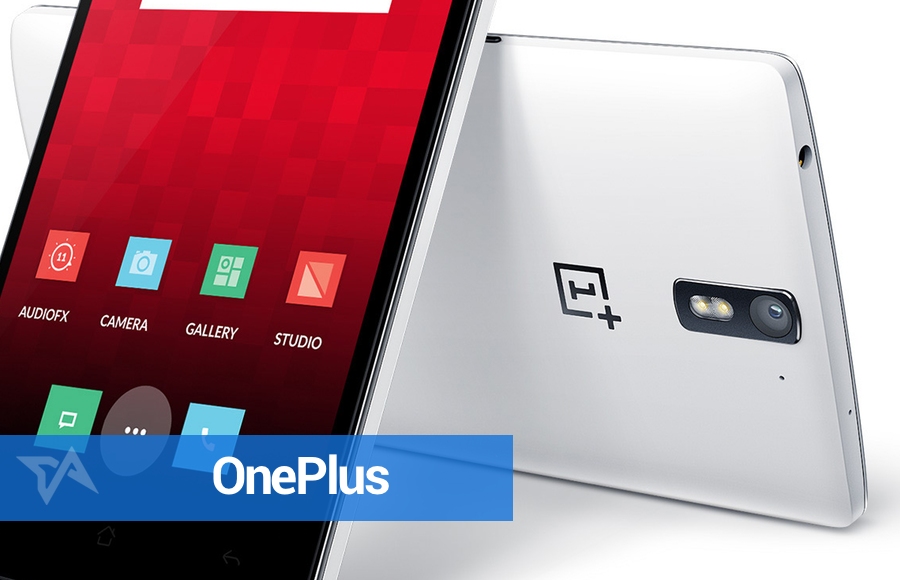
OnePlus, China’s newest big-bang phone-maker, burst onto the scene in 2013. Inspired by Xiaomi, it sells only online, and has strong hardware at a satisfyingly low price. Unlike Xiaomi, OnePlus is going global from day one.
India
Indonesia
Philippines
Thailand
Pakistan





Stay updated on the go with our mobile app.
Get latest insights with smoother, more personalized experience through TIA mobile app.