Nadine Freischlad · · 2 min read
Trailing Southeast Asian peers, Malaysia draws up rules to legalize Uber and Grab
 Malaysia’s Land Public Transportation Commision (SPAD) said today in a statement that it plans to push through reforms to the taxi industry, which also covers ride-hailing companies like Uber and Grab.
Since launching in Kuala Lumpur in 2013, Uber has been embroiled in clashes with authorities.
In SPAD’s release, it said the regulations will require “e-hailing” companies to be incorporated in Malaysia and that drivers will need a “Drivers’ Card” issued by SPAD. The set of regulations has been approved by the Cabinet, though it’s still pending Parliamentary approval.
If the Malaysian government indeed finalizes the laws, it could end the legal limbo the US startup and its major local competitor Grab have found themselves in.
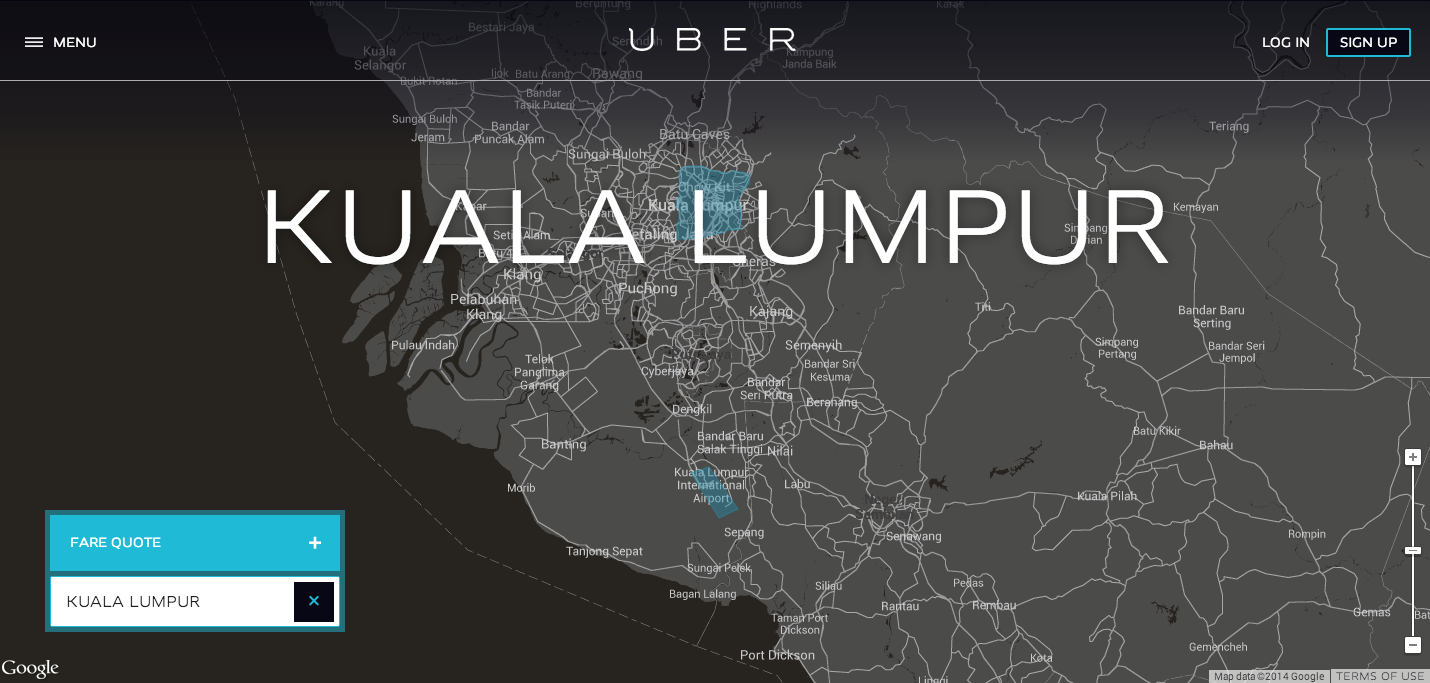
Uber already operates in Malaysian cities Kuala Lumpur, Penang, Johor Bahru, Ipoh and Kota Kinabalu. An Uber spokesperson said the positive development encourages it to launch in more places.
Like in most parts of the world, the rise of ride-hailing companies has caused regulators in Malaysia significant headache, because the model is unlike previously known forms of public transportation.
Ever since its launch in Kuala Lumpur in 2013, Uber has been embroiled in clashes with authorities.
Slowly warming up to ride-hailing
Malaysia’s recognition of ride-hailing apps, as part of a larger transportation reform program put forward by Malaysia’s Land Public Transportation Commission, comes a bit late compared to its regional neighbors.
Singapore was friendly to transportation innovators from the start, promising a “light touch” regulation. The Philippine government came out with rules for “transportation network companies” back in May 2015. Somewhat reluctantly Indonesia followed earlier this year.
Issues remain
But “recognition” doesn’t necessarily mean it will all be smooth sailing for Uber and Grab in Malaysia from now on.
If things go the way they did in Indonesia and Singapore, the startup may find itself having to jump through numerous additional hoops like road safety tests for its cars, along with medical tests and background screening for drivers.
Setting up a Malaysia-based corporation that pays local taxes comes with is own problems. In countries with slow and inefficient certification and licensing bodies, these steps can take a long time, especially for foreign-owned entities.
Editing by Terence Lee and Steven Millward.
(And yes, we’re serious about ethics and transparency. More information here.)





Stay updated on the go with our mobile app.
Get latest insights with smoother, more personalized experience through TIA mobile app.