- Premium Content It takes our newsroom weeks - if not months - to investigate and produce stories for our premium content. You can’t find them anywhere else.
 Terence Lee · · 8 min read
Time to end Singapore’s mailbox monopoly?
SingPost, Singapore’s national postal service, literally holds the keys to ecommerce in the city-state.
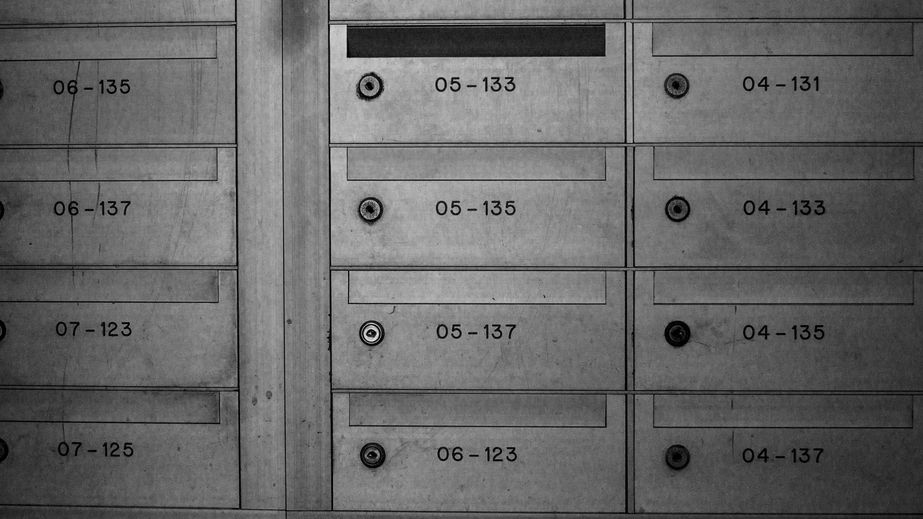
As the country’s sole Public Postal Licensee, it’s the only company possessing the “master key” that unlocks all mailboxes in the country and allows its fleet of postmen to deliver mail en masse to building residents and tenants.

Photo credit: DP Architects
This monopoly gives SingPost an upper hand in delivering small items bought by consumers when they shop online. And because mailboxes are often grouped together in certain areas, the company is effectively able to access households from one dedicated location without having to go door to door, making it the fastest way to deliver items to people in Singapore.
Should this status quo change? Following SingPost’s recent price increases for its package deliveries through the mailboxes, several logistics and ecommerce players are calling for the monopoly to end.
They believe that Singapore’s Infocomm Media Development Authority (IMDA), the regulator in charge of the country’s mailboxes, should consider giving the key to more players. This, in turn, could make a significant chunk of Singapore’s online shopping deliveries – and the entire ecommerce market – more efficient. IMDA could not immediately respond with an official comment.
“How can we serve the needs of ecommerce in the best possible way if [mailboxes are] blocked out to us?” says Chang Wen Lai, co-founder and CEO of logistics provider Ninja Van. While the government is piloting a locker network to serve as pickup spots, Lai believes no monopoly should exist for any collection method in the first place.
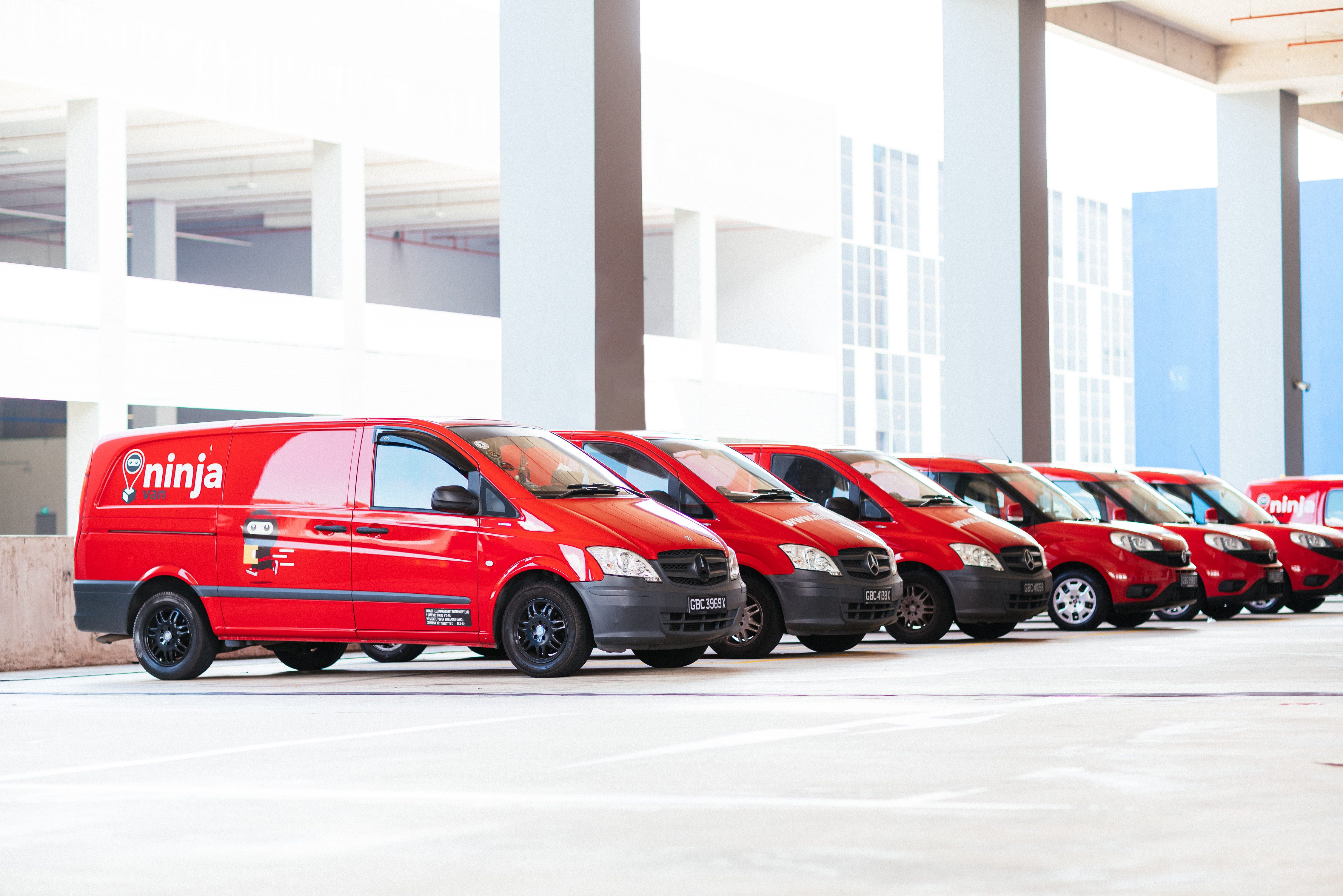
Photo credit: Ninja Van
But ending the monopoly may be easier said than done. Being a Public Postal Licensee carries important obligations: SingPost must deliver 98% of the items that end up in mailboxes within one working day, and all of them within two working days. A failure to do so could result in a fine. It’s essentially a listed company that’s providing a public service.
Other logistics players would loathe having to meet this requirement, meaning regulatory changes, which don’t happen overnight, may be required in order to liberalize the postage system.
Why mailboxes matter
To be sure, Singapore residents aren’t short of delivery options. Items can be sent to a customer’s office or doorstep, as well as lockers and retail pickup points. Yet there are many reasons why logistics players are chomping at the bit to access mailboxes.
- They’re bunched together and located in the lobby of apartment buildings, saving the delivery person time and effort. In contrast, Lai says a doorstep delivery requires many steps and is therefore more expensive as a result. The delivery person has to find the right house, ring the bell, wait for the recipient, and call them if they don’t show up.
- Items in the mailbox can only be accessed with a key, while doorstep deliveries can be stolen.
- Deliveries to offices in central locations may incur hefty tolls and parking fees, while deliveries to residential areas won’t, says Sam Too, the general manager of ecommerce marketplace Qoo10.
- The letterbox is an infrastructure that already exists. There’s no setup costs involved, and the technology is simple and proven.
- Mailbox deliveries may be the most accessible collection method available to Singapore’s consumers. There’s no need to bring items home from the office and no need to make detours to a pickup point.
Are lockers an alternative?
Keys to success
Rethinking the postage system
Stay ahead in Asia’s tech landscape
This is premium content. Subscribe to read the full story.
Liberalizing mailboxes could make Singapore’s ecommerce market more efficient, but it’s easier said than done.
We know this is not ideal. ⌛ Sign up in 20 seconds. Cancel anytime.
Our subscriber community includes professionals from these companies:





Stay updated on the go with our mobile app.
Get latest insights with smoother, more personalized experience through TIA mobile app.








📅 Upcoming Events
22 October 2026
Payoneer x CSPN Summit 2026