 Eva Xiao · · 7 min read
These hustlers make a living off WeChat’s thriving underground ecommerce

One third of WeChat users spend four hours a day in the app. Photo credit: Pedro Serapio.
WeChat, China’s most dominant social messaging app, is notorious for its all-consuming nature: payments, food, transportation, entertainment, and of course, social networking. There are in-app services that rent bikes, sell movie tickets, live stream – and even locate nearby bathrooms for you.
But underneath these services, the app also hosts an unofficial market called weishang or ‘micro-shops.’ Run through personal WeChat accounts, micro-shops are unregulated sales channels that sell anything from fake Louis Vuitton bags to homemade cakes – to even guns.
“Buying, shipping, taking photos, customer service – I do it all,” Wang Meng, a micro-shop owner in Australia, tells Tech in Asia. “I respond on WeChat everyday – I don’t have a set time. If I’m not posting on my [newsfeed], I’m on vacation.”
“I want to have control over my own work day,” she adds.
Micro-shops sell anything from fake Louis Vuitton bags to homemade cakes.
It works like this: Wang takes photos of different products – children’s toys, vitamins, bracelets – and posts them on her Moments, the app’s newsfeed-like feature. Interested customers message her directly or leave a comment. Payment can happen inside the app, which has its own payment system called WeChat Wallet, or other channels such as Alipay, another popular digital wallet in China.
Micro-shops aren’t restricted to any category of product, but Wang’s specialty is imported goods from Australia. She left Beijing and moved to Melbourne about two-and-a-half years ago, joining China’s far-flung diaspora. Now, she’s a stay-at-home mom with two kids, so the flexibility of a micro-shop suits her well. At her peak, she made more than US$4,000 a month.
“Micro-shops can definitely be a full-time job,” she says. “A lot of my friends who run around filling customer orders […] everyday make about US$10,000 a month.”
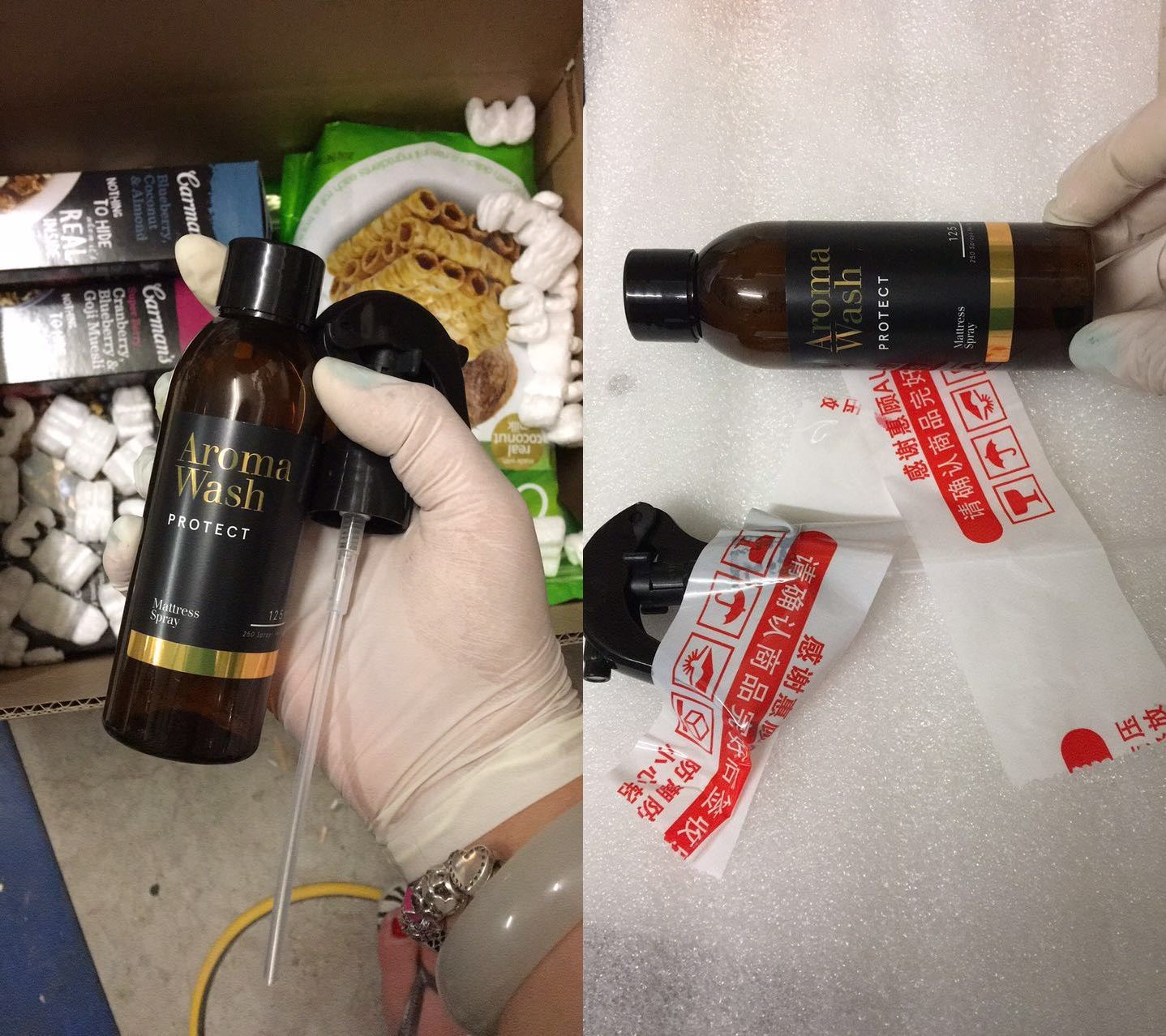
Wang carefully packs items for customer orders. After about twenty days, clients receive their goods in the mail. Photo credit: Wang Meng.
No strangers
In China, it’s not uncommon to hear about people who make a living – or even become rich – through social media: live streaming hosts, online comedians, even cartoonists. In the West, there are YouTube stars that rake in millions of dollars. In India, some entrepreneurs are using WhatsApp and Facebook – not Amazon or other ecommerce platforms – to sell goods.
But WeChat is unique. Not only does it come with built-in infrastructure for payments, blogging, and social networking – lending itself to entrepreneurial endeavors of all kinds – but it’s also an incredibly closed network. It’s designed to buffer you from strangers.
WeChat is designed to buffer you from strangers.
Gray market





Stay updated on the go with our mobile app.
Get latest insights with smoother, more personalized experience through TIA mobile app.








📅 Upcoming Events
22 October 2026
Payoneer x CSPN Summit 2026