- Premium Content It takes our newsroom weeks - if not months - to investigate and produce stories for our premium content. You can’t find them anywhere else.
 Ranamita Chakraborty · · 5 min read
More firms exit SGX amid market headwinds
At least 16 companies on the Singapore Exchange (SGX) are on the delisting track as of the first week of May this year. They have either delisted, confirmed delisting dates, or announced plans to exit the SGX.
Meanwhile, only one IPO has taken place on the exchange so far this year – car dealer Vin’s Holdings, which listed on the Catalist board in mid-April.
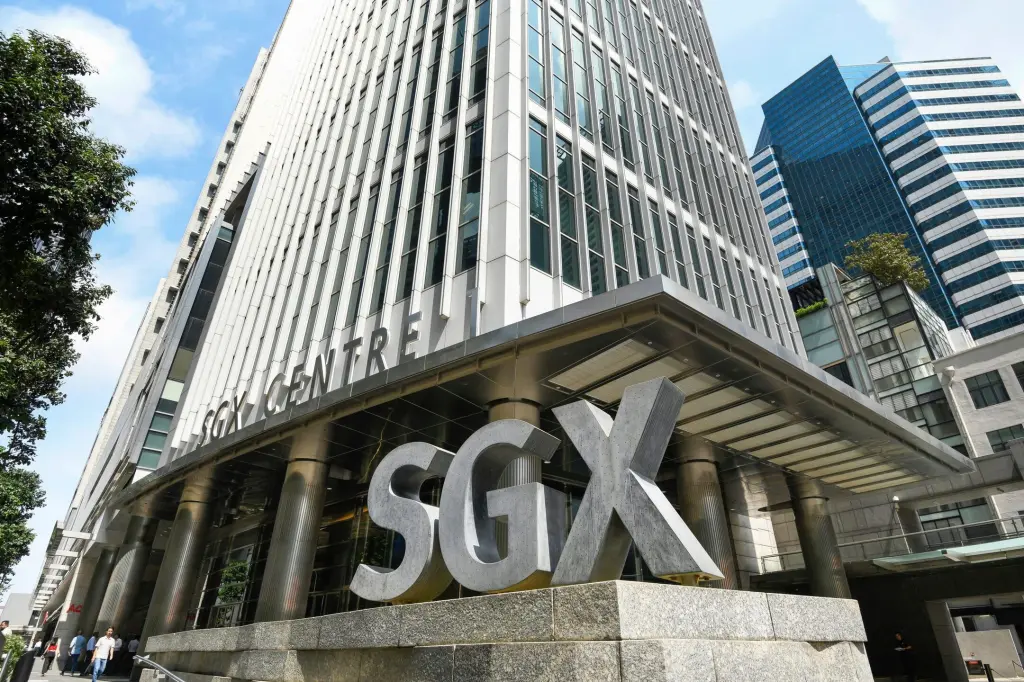
Photo credit: Jack Hong/Shutterstock
The latest to announce plans to delist include nursing operator Econ Healthcare (Asia), hospitality player ICP, and hotel group Amara Holdings. In the technology sector, IT solutions provider Procurri Corp and technology products distributor Ban Leong are preparing to delist as well.
Meanwhile, in the engineering and industrial space, lifting service provider Sin Heng Heavy Machinery and engineering company PEC are also planning to go private. Property developers Sinarmas Land and SLB Development are following suit.
Already four firms have delisted from the SGX this year: offshore oil and gas contractor Dyna-Mac and software company Silverlake Axis in January, shipping firm Jes International in February, and waste management company 5E Resources in March.
Plus, three companies have secured approval from their shareholders and announced their delisting dates. SMI Vantage is set to delist on May 15 while Japfa and Paragon Real Estate Investment Trust (Reit) are expected to do the same in June after accepting privatization offers.
Market watchers tell The Business Times that such delisting activity has been significantly influenced by the recent volatility in the equities market, which is driven by rising geopolitical tensions, tariffs, and broader global economic uncertainties.
See also: SPAC boom to bust: SGX’s experiment one year on
For Ooi Chee Keong, partner and head of capital markets at Forvis Mazars in Singapore, “companies exposed to international trade risks and market fluctuations may find public markets increasingly challenging due to heightened volatility and unpredictable share price movements.”
For these companies, he believes going private offers an alternative strategy that can provide greater operational flexibility, address valuation concerns, and protect them from ongoing market turbulence.
“There is increasing private capital looking for good businesses to invest in, including private equity, which has lots of dry powder to do acquisitions,” says Jason Saw, group head of investment banking at CGS International. “This makes it much easier for the owners to find suitable partners to take the companies private.”
More to come?
Ooi believes companies operating in trade-sensitive sectors such as manufacturing, logistics, or agrifood may find privatization particularly appealing under current market conditions.
On the other hand, Paul Chew, head of research at Phillip Securities Research, warned that parties may become more cautious in delisting due to the economic uncertainty and leverage required to fund privatization efforts.
Appeal of going private
Exit for minority shareholders
Stay ahead in Asia’s tech landscape
This is premium content. Subscribe to read the full story.
Analysts say such activity has been influenced by rising geopolitical tensions, tariffs, and broader global economic uncertainties.
We know this is not ideal. ⌛ Sign up in 20 seconds. Cancel anytime.
Our subscriber community includes professionals from these companies:





Stay updated on the go with our mobile app.
Get latest insights with smoother, more personalized experience through TIA mobile app.