 Samantha Cheh · · 5 min read
A peek into Huawei Cloud’s track record as APAC’s multifaceted startup enabler

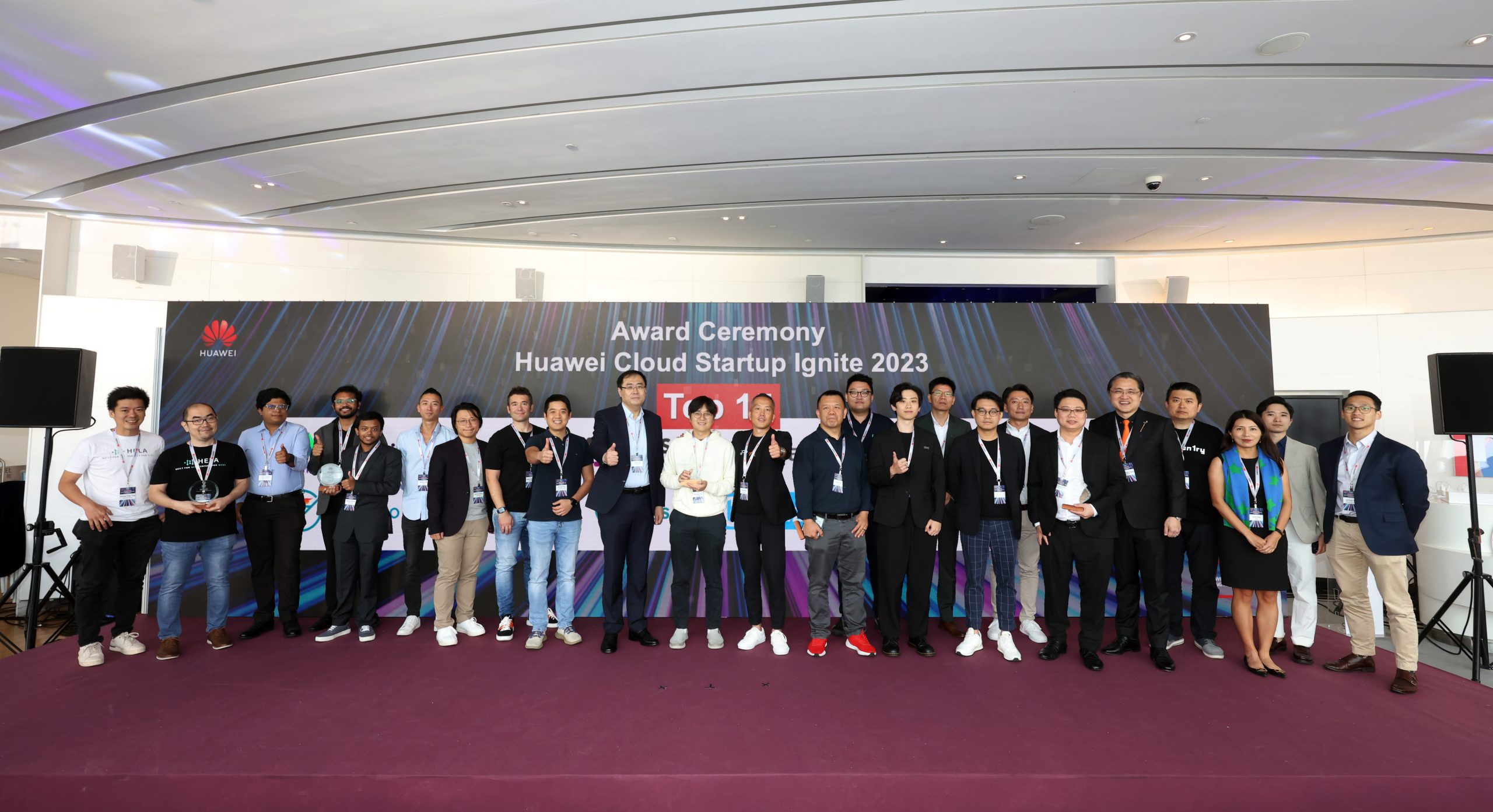
Photo credit: Huawei
In the tech world, there is a tendency to view startups and tech giants as natural rivals.
Yet, despite their differences, startups and big tech exist in a symbiotic relationship where both sides bring something to the table.
While startups can introduce speed, agility, and new ideas into the innovation process, established firms offer access to resources, scale, and expertise, benefiting everyone involved.
In Asia Pacific, Huawei Cloud, the Chinese tech giant’s cloud services arm, has acted as an engine of the region’s startup growth for several years.
“When we launched our cloud business in 2017, we saw for the first time just how important SMEs and startups were to our ecosystem,” says Leo Jiang, chief digital officer for Asia Pacific at Huawei Cloud.
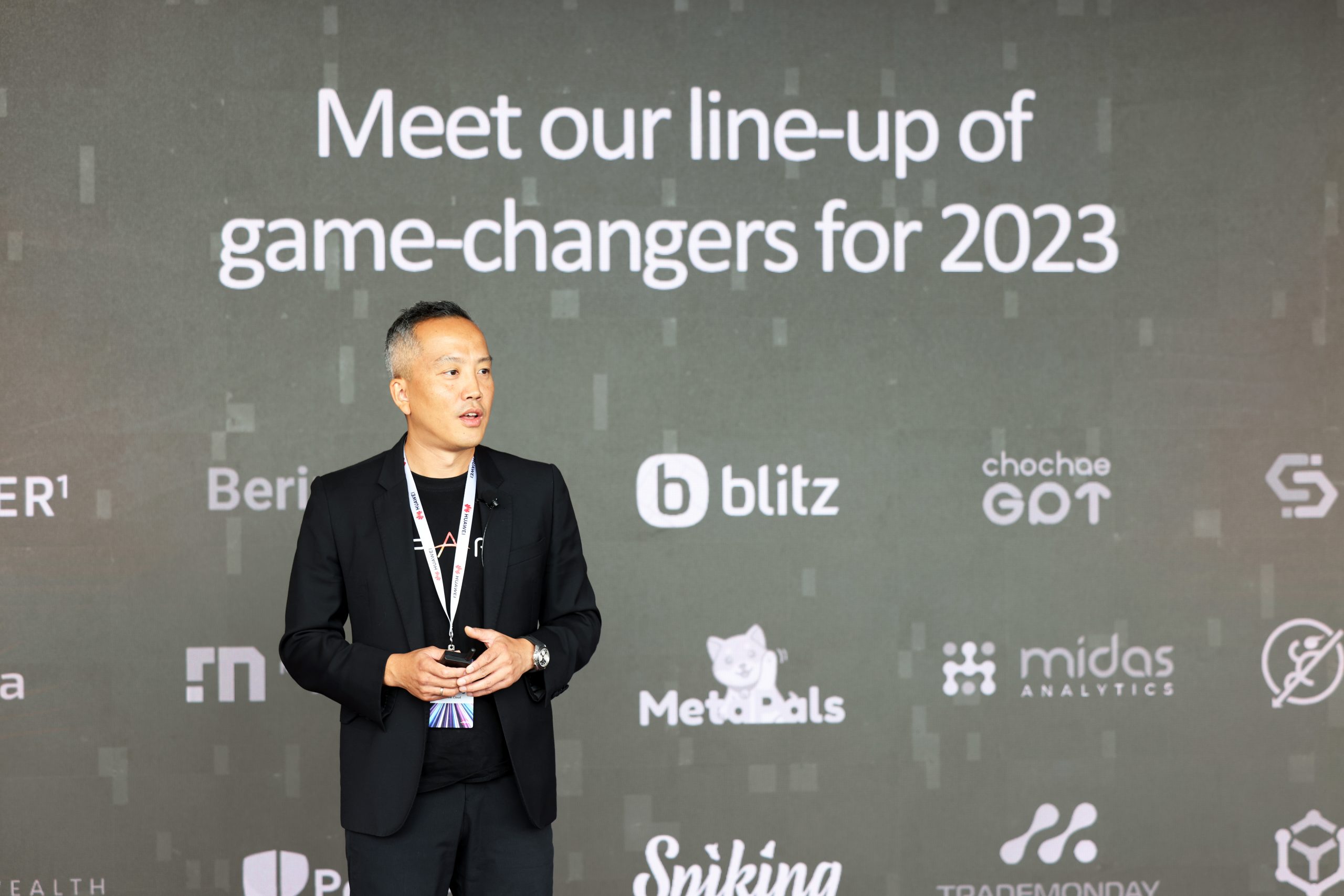
Leo Jiang, Huawei Cloud’s chief digital officer for Asia Pacific / Photo credit: Huawei
Unlike their older, more established peers, tech startups were quick to embrace the power of the cloud at an early stage, which helped set the stage for the surging rates of adoption we see today.
And as startups became more ubiquitous, Huawei Cloud saw the need to expand its focus beyond enterprises and hone in on these smaller firms, which it considers “vital contributors to local ecosystems.”
“Our vision is very much centered on supporting their growth and helping them scale,” adds Jiang.
An ecosystem of support
While Huawei Cloud does provide financial support to startups in the form of cloud credits, the company has taken a multifaceted approach to shore up the startup ecosystem at every level.
For example, with its Huawei Cloud Developer Program, the firm aims to address the talent gap through training and resources for workers to upskill themselves. The company also offers focused guidance for startups to scale their solutions, such as through the Huawei Cloud Startup Program, first launched in 2020 in Asia Pacific.
Once companies graduate from the program, Huawei Cloud brings them into its partner ecosystem network, where it helps facilitate new business opportunities.
“We help startups develop their solutions, build their use cases, and go to market together through Huawei’s extensive network,” explains Jiang. “These startups can be our resellers too.”
An overview of Huawei Cloud’s support for startups in Asia
Lessons for the future
Huawei Cloud is looking to take its ecosystem of support to the next level. The core of this next stage is further expanding its Cloud Startup Program to Hong Kong and Thailand.
According to Jiang, the company selected these two markets because of recent efforts by their respective governments to spur and invest in technological innovation.
In Hong Kong, the government has earmarked more than US$1.2 billion to push the city to become an innovation hub. An additional US$51 million will also be funneled into a fund to support tech startups.

Photo credit: Leung Cho Pan / 123RF
Thailand’s government, on the other hand, has committed to developing its digital economy, starting with a number of policies to build local broadband infrastructure, provide support to local startups, and digitalize government services. The country is also collaborating with Huawei to enhance cloud adoption.
“There is a decently sized pool of digital talent in Thailand and the adoption of 5G infrastructure is strong, but its economy is still heavily focused on manufacturing and agriculture,” says Jiang. “That means there is a lot of room for digitalization.”
For Jiang, the governments’ commitments to invest in local startups illustrate two things.
First, there is room for Huawei Cloud to build relationships with the government agencies that it considers essential partners in developing the local startup ecosystem. Through policy initiatives and investments in critical infrastructure, governments can influence how startups access capital and markets.
This was a lesson the company gleaned from its years-long partnership with the Singapore government, which it’s putting to practice in new markets.
“We built a very strong connection with Singapore, working with organizations like the IMDA and Enterprise Singapore,” he shares. “That will be our blueprint so we can build something consistent.”
Secondly, these investments will help build the essential infrastructure for local startups to scale their businesses.
“It’s very important for us that commercial success is underpinned by strong synergies at the product and technology levels,” he says. “If we don’t have that underlying support, it’s very difficult for businesses to differentiate themselves.”
A relationship of mutual benefit
Huawei Cloud’s Singapore experience will serve as a template for its expansion into Hong Kong and Thailand, and its Cloud Startup Program will remain broadly similar to previous iterations but be “enhanced” to meet future challenges and goals, as well as the needs of the local market.
One difference is that in Hong Kong and Thailand, the program will emphasize empowering startups in the cloud and AI fields, areas that have seen significant growth in recent months.
Over time, Jiang suggests that the program could begin scaling up its efforts to help firms tap into more opportunities around the globe, such as facilitating market expansion into and outside China. The company also hopes to drive more cloud-based innovation in Asia Pacific.
Amid these evolutions, Jiang emphasizes that Huawei Cloud’s mission remains unchanged: nurturing innovation and the startup ecosystem, with a focus on tackling the series A crunch.
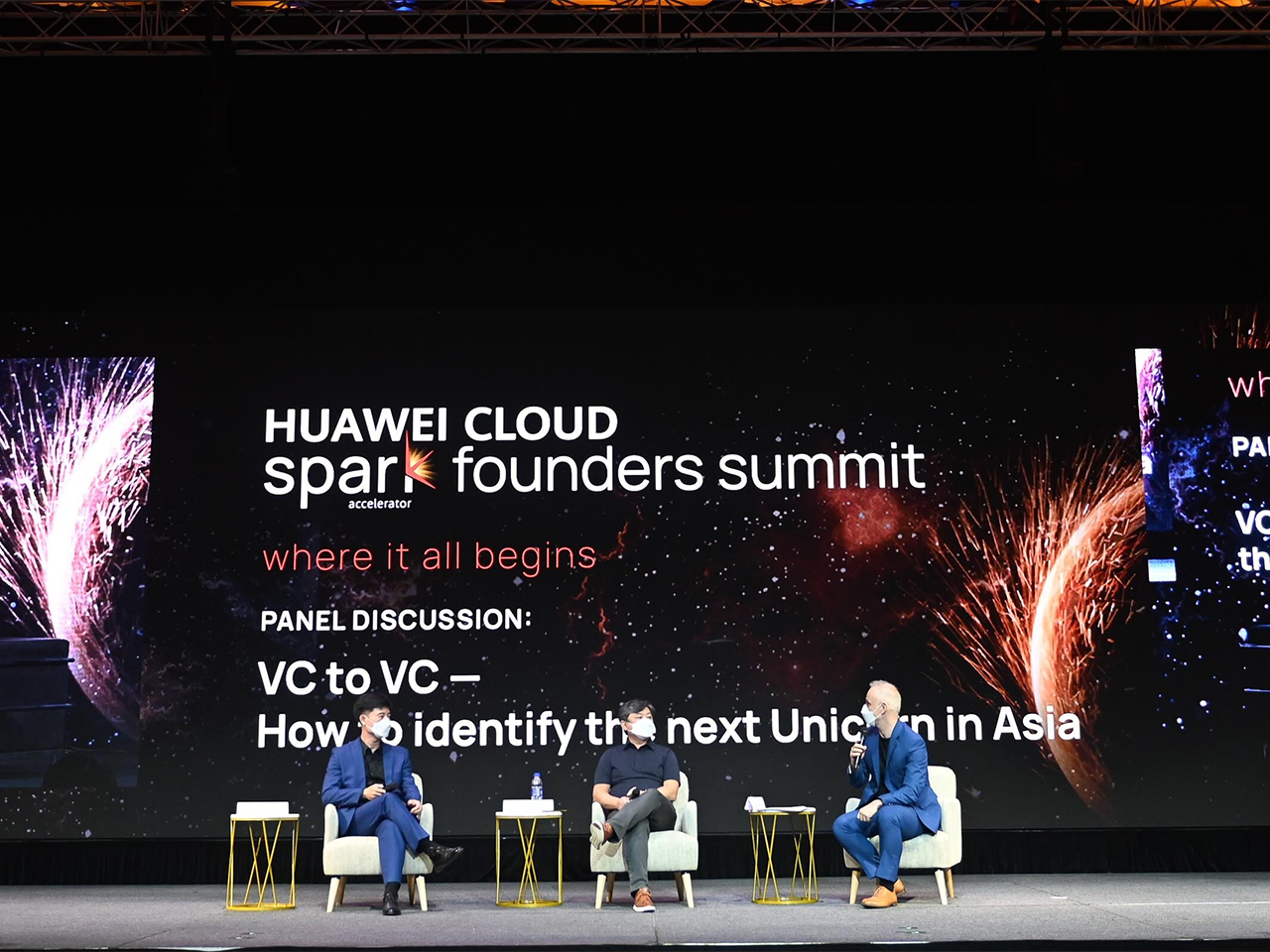
Photo credit: Huawei
“The reality is, the majority of startups won’t reach series A. We want to help reduce those losses, and the way we do that is by building out a stronger ecosystem,” he says.
With the refined startup program, Huawei Cloud knows what kind of startups will fit that goal, Jiang adds.
“We’re more generous about admitting startups into the program, but at the same time, we’re also more stringent about which ones can really add value.”
Just like how startups and tech giants exist in mutually beneficial relationships, Jiang says that Huawei Cloud has also learned a lot from the founders it’s met.
“They make us more humble – it’s easy for us to critique but they are the ones taking all the risks, who have the courage and tenacity to get to where they are. Our role as enablers is very clear – we are here to incubate and accelerate,” he concludes.
The Huawei Cloud Startup Program – previously known as Huawei Spark Program – was launched in Asia Pacific in 2020 to support growth-stage startups as they scale. With over 30 years of expertise in ICT and digitalization, Huawei is dedicated to helping companies grow in pursuit of robust startup ecosystems and a more intelligent world.
Find out more about how you can join the Huawei Cloud Startup Program on its website.
This content was produced by Tech in Asia Studios, which connects brands with Asia’s tech community. Learn more about partnering with Tech in Asia Studios.
Stay updated on the go with our mobile app.
Get latest insights with smoother, more personalized experience through TIA mobile app.
Editing by Stefanie Yeo, Jonathan Chew, and Dhania Putri Sarahtika
(And yes, we’re serious about ethics and transparency. More information here.)