 Gabriel Budi Sutrisno · · 4 min read
Counting Indonesia’s soonicorns and their backers
Charts and visuals, only for subscribers
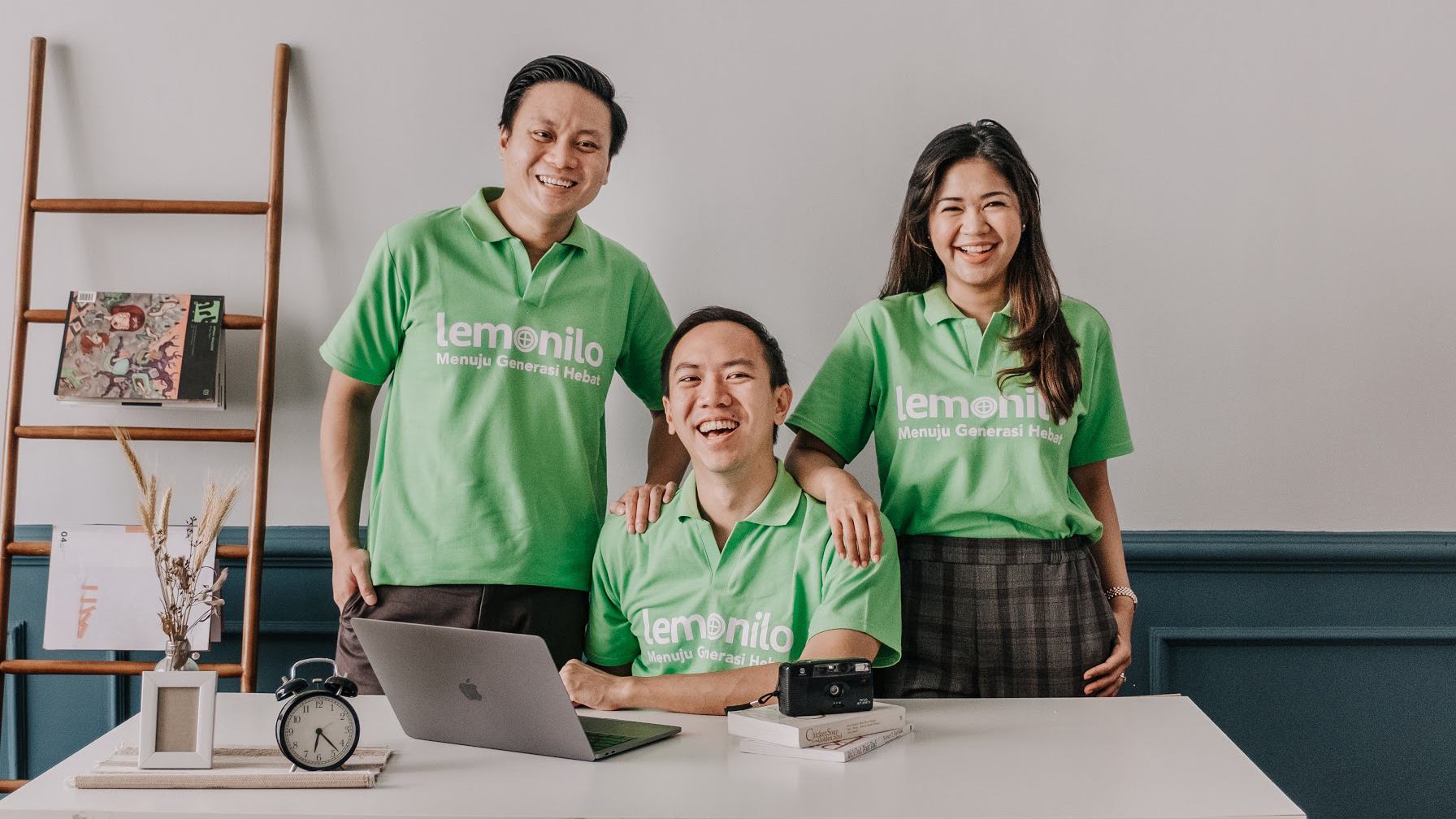
The founders of Lemonilo / Photo credit: Lemonilo
Indonesia’s billion-dollar startup club now has 11 members after adding six in 2021 alone, making it the second most prolific unicorn hub in Southeast Asia after Singapore.
And more might be coming. Behind the scenes, the Indonesian government has pushed for more startups to join the unicorn list. It recently launched the Merah Putih Fund, which is aimed at soon-to-be unicorns or soonicorns.
There’s no formal criteria for soonicorns, but for this piece, we looked at Indonesian companies that are valued above US$500 million. So far, eight homegrown startups fit the bill, and three of them are less than US$200 million away from hitting unicorn status.

Vidio is one example. The Emtek Group-backed entertainment site’s valuation reached US$900 million after its first external funding in November 2021. At the time, its pre-money valuation was US$750 million, but it is unclear how long the company had been hovering around that number.
A company that we excluded from the soonicorn list but will likely to bypass it sometime soon is Kredivo. The buy now, pay later startup’s US$2.5 billion SPAC merger has yet to take place, and its current valuation is US$456 million, according to VentureCap Insights.
Another fintech company to watch is LinkAja. Although its valuations are not public, the e-wallet is backed by a bunch of state-owned enterprises and unicorns like Grab and Gojek. It’s popular in Indonesia’s Tier 2 and Tier 3 cities.
See also: A list of SEA’s soonicorns and their early backers
We also found that while more mature startups like Ruangguru, Qraved, and SiCepat Ekspres took five to seven years before becoming soonicorns, younger companies are joining the club much faster.
B2B marketplace GudangAda, for instance, sped past the US$500 million mark in just three years. Its close competitor Ula achieved the same feat in less than two.
Of course, it helps that B2B ecommerce is a hot space. Both Ula and GudangAda target warungs or traditional mom and pop shops, which account for the majority of domestic retail transactions. These companies have also expanded further with new initiatives such as Ula’s credit product and established plans for international expansion.
Just months after its series A funding in 2021, Ula moved to the next round with injections from big investors, including Tencent and Amazon honcho Jeff Bezos.
Credits
Share, tag us, and land on our Wall of ❤️ !
Stay ahead in Asia’s tech landscape
This is premium content. Subscribe to read and use our charts, graphics, and other visuals legally
Younger companies are becoming soonicorns faster than their more mature peers.
We know this is not ideal. ⌛ Sign up in 20 seconds. Cancel anytime.
Our subscriber community includes professionals from these companies:





Stay updated on the go with our mobile app.
Get latest insights with smoother, more personalized experience through TIA mobile app.