- Insights This article was written by a TIA community member. Insights pieces undergo the same rigorous editorial process that newsroom-produced articles have.
 Nathan Thompson · · 4 min read
After UST fiasco, are semi-algo stablecoins the way to go?
This article is part of Crypto Insights, a segment by major crypto exchange Bybit that dives into the latest and most pertinent issues in the crypto space.
On May 9, TerraUSD (UST) – crypto’s third-largest stablecoin at the time – started to wobble. Within hours, the cryptocurrency, which tries to track the value of the US dollar, was trading at $0.92. This might not sound like a large drop, but for a multibillion-dollar asset like UST, it’s a loss of hundreds of millions of dollars.
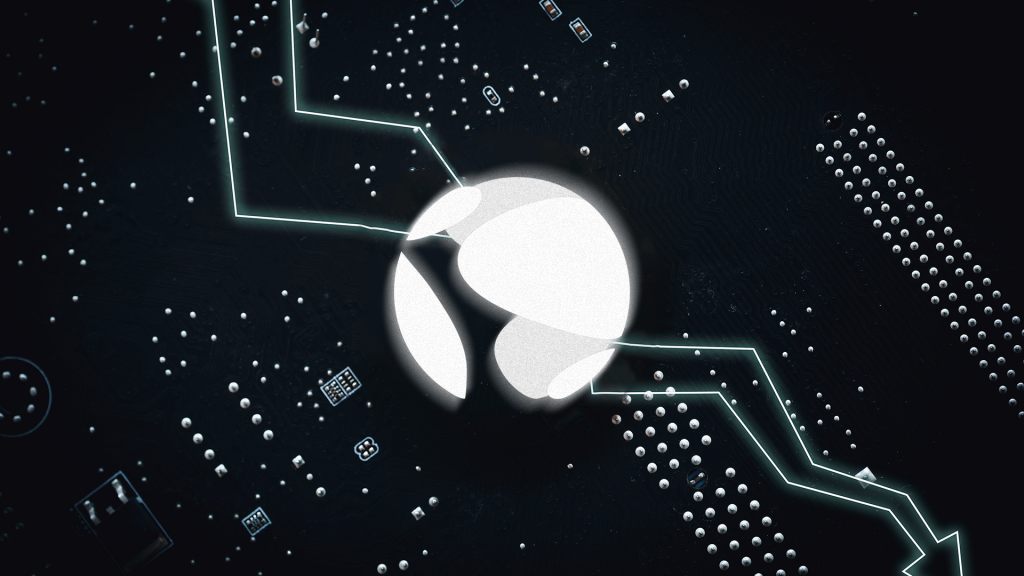
Image credit: Timmy Loen
Terra tried to fight the immense selling pressure of what was fast becoming a bank run. It traded reserve funds of its native asset, Luna, and Bitcoin, and also lent money to professional market makers to stop the slide.
By May 11, UST had dropped as low as US$0.23, causing mass liquidations, panic, and loss of money. The fear – and the vast amounts of Bitcoin that Terra traded to support the price of UST – caused wider crypto markets to dip.
The market is shaken, accusations of sabotage abound, and Terra faces an uncertain future.
UST is an algorithmic stablecoin that maintains its peg to the US dollar by allowing people to trade US$1 of its native asset Luna for a UST token, and vice versa. Without going into the details, this mechanism creates an opportunity for arbitrage, where traders can make small risk-free profits by exploiting a difference in prices.
The reason for the recent depegging was that arbitrage actors couldn’t keep up with the selling pressure that caused a panic sale.
Other blockchain projects are offering their own versions of Terra’s arbitrage-based recipe and experimenting with new designs that might avoid a situation like this in the future. The main difference in these projects is the inclusion of a treasury, which will buttress the stablecoin’s price in the event of a black swan event.
Image credit: Decentral Bank
The Decentral Bank DAO on Near Protocol and Tron DAO recently launched their own “semi-algorithmic” stablecoins: USN on Near, and USDD on Tron. The plan is to back every token with a treasury of assets.
In the case of USN, the treasury would hold 50% Near and 50% in other stablecoins. It will do this by depositing the Near capital itself and bootstrapping the rest by selling USN for Tether (USDT), which will be placed in the treasury.
The Decentral Bank’s reserve fund “ensures that significant downward market pressure on USN (e.g., panic sale) can be met by interventions where USN would be bought back with the reserves from the Reserve Fund up to the total issued amount of USN,” according to the project’s whitepaper.





Stay updated on the go with our mobile app.
Get latest insights with smoother, more personalized experience through TIA mobile app.