 Stuart Lansdale · · 2 min read
Discuss: I used Grab and Uber in Myanmar. Here’s what I think they can improve on
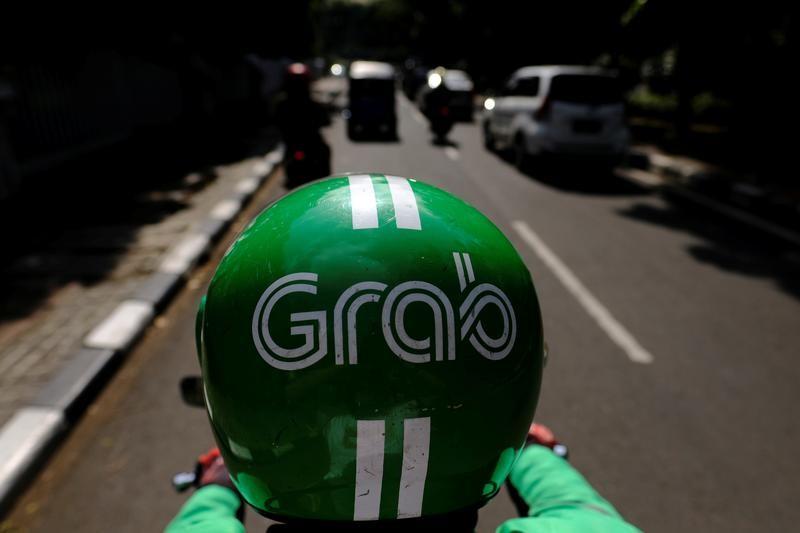
Photo credit: Reuters.
I used both Uber and Grab when I was recently in Yangon. There were a couple of things that stood out to me as a foreigner using the service that I think will make it hard for the companies’ respective expansions.
- Drivers did not speak in workable English. I had to pass the phone to the hotel whenever I made a booking. Likewise, if I was out, I had to pass the phone to a staff member. I don’t think I would have been able to meet the driver otherwise.
- All these services are chucking money at promotions. I was only in Yangon for a few days, but I didn’t pay a single full fare (win!). Great for me, but I ended up having no brand loyalty. I just chose Grab until I ran down the promos, then used Uber.
What I liked about Uber over Grab was that they enabled card payments. I really didn’t want to get any more money out from the ATM when I had to go to the airport, as I literally just needed cash for this trip. So, I decided to use an Uber. I read online that I’d still have to pay cash, but the driver told me upon arriving that I could pay for it with my card through the app. That made me happy!
Overall, the experience wasn’t too different from the experience in Thailand (with drivers not speaking English).
This has been edited from the author’s original comment in a separate Tech in Asia article.
Let’s discuss:
- What critical factors should startups focus on for expansion?
- How critical are language and payment scheme to a startup’s expansion?
- If you were a ride-hailing company, how would you address these pain points?
Editing by Jaclyn Teng
(And yes, we’re serious about ethics and transparency. More information here.)





Stay updated on the go with our mobile app.
Get latest insights with smoother, more personalized experience through TIA mobile app.








📅 Upcoming Events
22 October 2026
Payoneer x CSPN Summit 2026