- Insights This article was written by a TIA community member. Insights pieces undergo the same rigorous editorial process that newsroom-produced articles have.
 Piyush Kharbanda · · 5 min read
How VCs should evaluate B2B commerce in India
Way back in 2014, a former colleague and I spent time looking at the first wave of B2B commerce platforms in India. We went around the country, spoke with value chain experts for various supply chains, and came back with one fundamental question: How are these companies different from wholesale distributors, especially regarding margins?
This was a growth equity framework, but I haven’t shaken some of its fundamental tenets over the last nine years.
I’m a believer in startups’ ability to affect efficiency, and given that B2B value chains in India are fairly inefficient, there’s a massive opportunity to invest in every single segment.
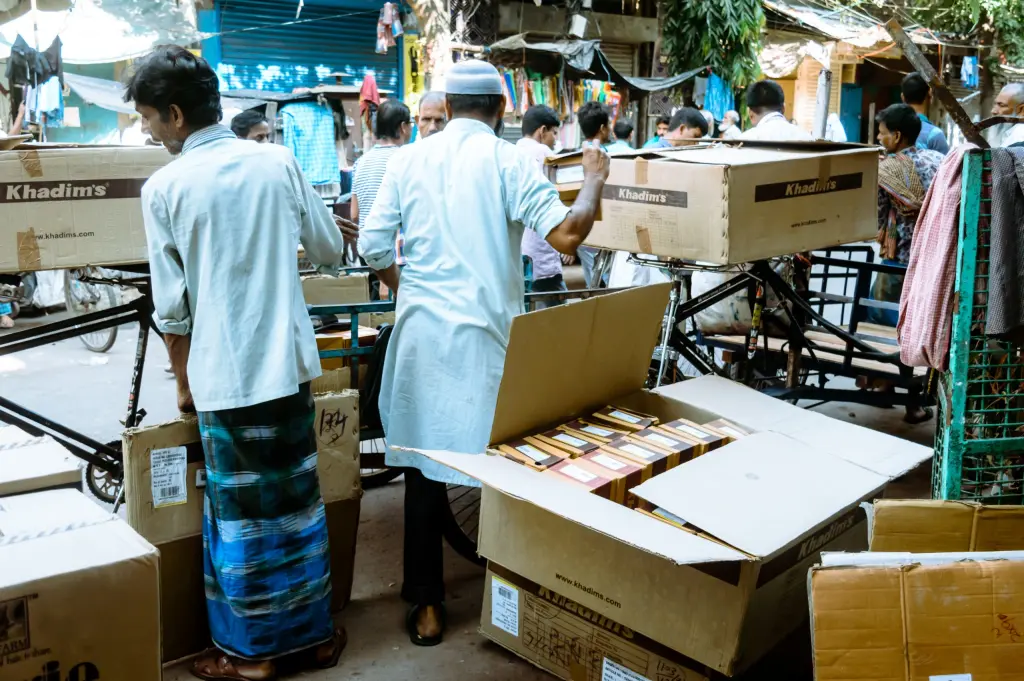
Photo credit: SB Stock / Shutterstock
But this is only part of the story. The individual components of these value chains are actually incredibly efficient, and that inefficiency creeps in at the edges.
In retail, for example, the kirana store is the most efficient unit. There’s no rental (the building is usually owned and close in proximity to customers), no wages (the entire family works there), and no leakage or wastage (truly entrepreneurial).
It’s difficult for a corporate store to compete with this setup. It’s even harder when a chain of corporate stores are faced with a disparate set of kirana shops in a city like Bangalore.
However, as you scale a kirana store to a large format by increasing stock-keeping units (SKUs) and adding slow-moving inventory, the inherent advantages break down. The same principles apply to retail wholesalers and distributors, as well as several other segments.
Before we dive into what could be a framework for evaluating B2B commerce companies, I want to outline the size of the markets involved, which is the most attractive part of the B2B commerce opportunity.
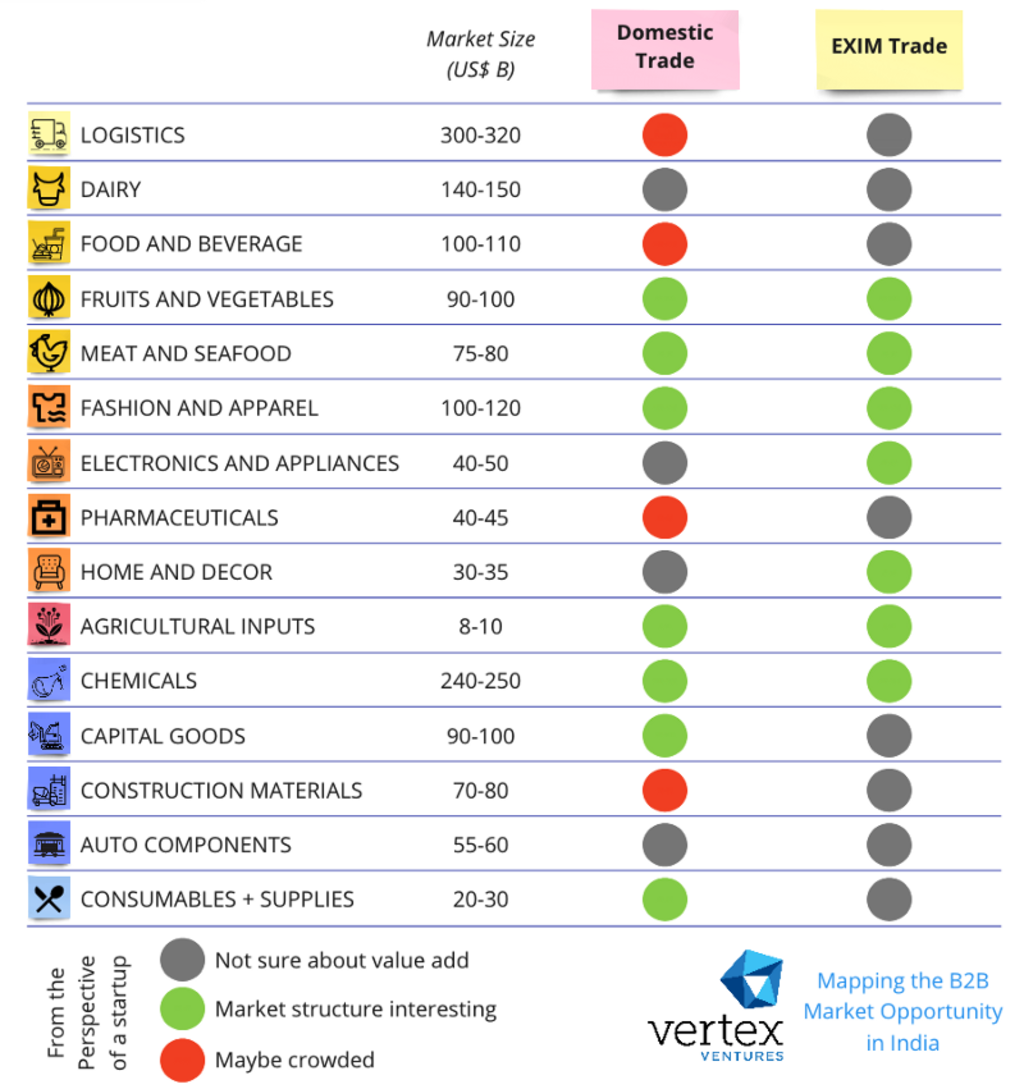
Market attractiveness map for Indian B2B commerce (market size indicative, not adjusted for overlap)
What stands out to me is that more than 10 markets have a total addressable market (TAM) of over US$50 billion. Few of these are crowded with startups that have raised a lot of capital.
This fact isn’t entirely lost on anyone in VC, which is probably why five of the 21 new unicorns in India in 2022 were B2B marketplaces or affiliates.
Here is why I’m writing on a market that has been discussed ad nauseam in the ecosystem: We need to discuss the economic model in B2B commerce, and it cannot just be lending.
How to assess B2B commerce platforms





Stay updated on the go with our mobile app.
Get latest insights with smoother, more personalized experience through TIA mobile app.