- Premium Content It takes our newsroom weeks - if not months - to investigate and produce stories for our premium content. You can’t find them anywhere else.
 Emmanuel Samarathisa · · 6 min read
Malaysia’s government shouldn’t directly invest in startups, says insider
Dan Lain-Lain (Malay for “and others”) is a weekly column by TIA journalist Emmanuel Samarathisa that dissects the goings-on in the Malaysia tech scene but with a heavy mix of current affairs, policy, and politics. Click here to read past articles.
I’ve been talking about the Malaysian government’s tech agencies for a while, and this time round, I thought it would be good to get an insider’s take on it.
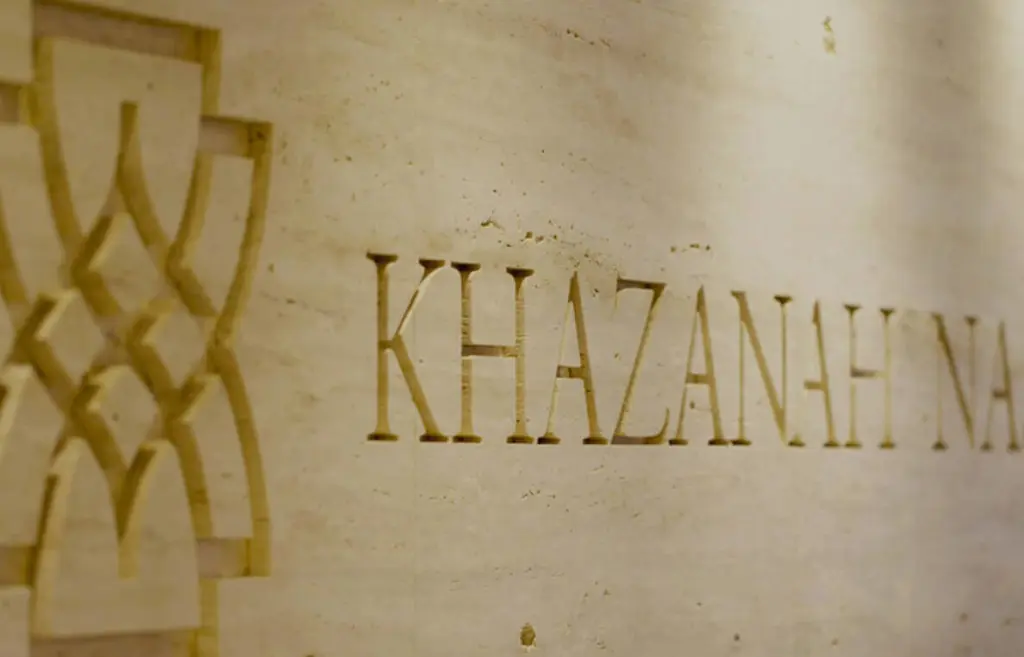
Sovereign wealth fund Khazanah Nasional has been given a mandate to deploy funds for startups this year. / Pic credit: Khazanah Nasional
Given the nature of the topic, this person will be anonymous. I can vouch for this particular individual as they have a wealth of experience in working at and with government-owned tech agencies and institutional investors.
It’s a timely discussion: Prime Minister Anwar Ibrahim has made it clear that “unicorn farming” is on the agenda. He has deployed state-owned institutional investors or government-linked investment companies (GLICs), such as sovereign fund Khazanah Nasional and private employees’ pensions pot Employees Provident Fund.
Sovereign fund Khazanah has already made a move by backing Gobi Partners. Both recently invested in Kuala Lumpur-based Care Concierge, a senior-care solutions platform.
Government tech agencies under various ministries have also been tasked with a similar mandate. The Malaysian Digital Economy Corporation, a government agency, has paired up with audit firm KPMG to farm 20 unicorns by 2025.
And as these institutes and agencies hobble along, investors and founders will inevitably have to deal with them. So hopefully this will be an insightful read.
Here is my interview with this anonymous source, edited for brevity and clarity:
Briefly tell us how an entity like Khazanah makes investment decisions for startups?
If we rewind to 2012, one of the major investments Khazanah made was in Alibaba. It was more of an opportunistic investment and has been quite successful.
Then Khazanah decided to conduct a study since it was looking for a more structured approach to tech investments and went on to form what is called the Investment and Technology team.
Its strategy is varied. You can make direct investments into companies or make them indirectly through funds. An organization like Khazanah would usually invest in series C rounds and greater. Firstly, anything lower or earlier than that doesn’t move the needle much in financial returns.
Secondly, the process was not conducive for small deals. It is a very structured — you can call it cumbersome — investment process. To be fair, things may have changed recently under the new CEOs.
Stay ahead in Asia’s tech landscape
This is premium content. Subscribe to read the full story.
The country has to take some adventurous steps to make an impact.
We know this is not ideal. ⌛ Sign up in 20 seconds. Cancel anytime.
Our subscriber community includes professionals from these companies:





Stay updated on the go with our mobile app.
Get latest insights with smoother, more personalized experience through TIA mobile app.