Deepti Sri · · 2 min read
Singapore partners with Thailand to boost cross-border investments
The Monetary Authority of Singapore (MAS) and the Securities and Exchange Commission of Thailand (SEC Thailand) have teamed up to shore up cross-border investment opportunities via a depositary receipts (DR) linkage between the two countries.
Depositary receipts are certificates issued by a bank that allow local investors to hold shares of a company listed overseas.
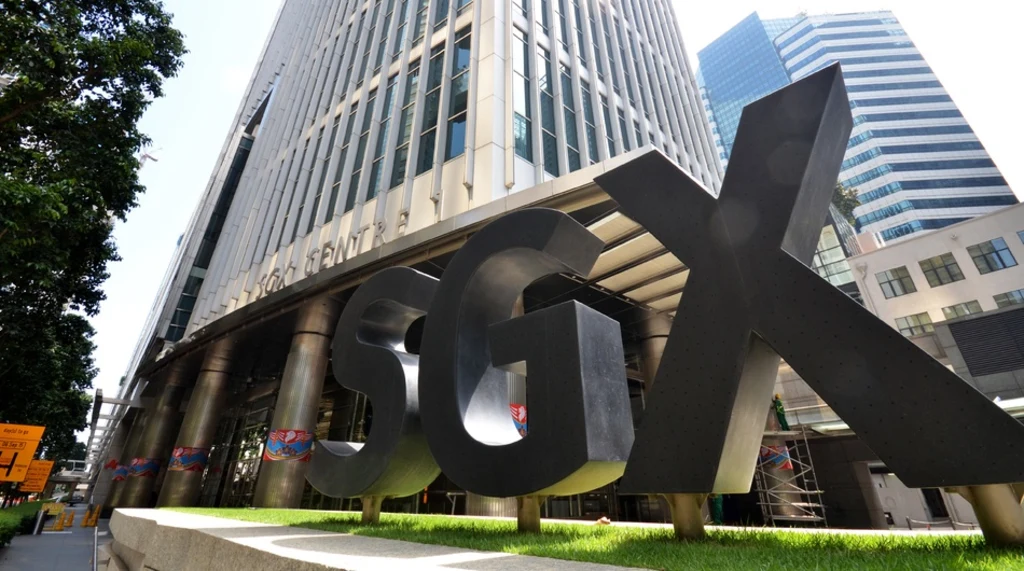
SGX Centre, downtown Singapore / Photo credit: tang90246 / 123RF
The initiative to spur cross-border investment comes amid bleak prospects for debt recovery from small and medium-sized enterprises (SMEs) in Thailand and could potentially be a lifeline for cash-strapped businesses. As a result of border closures due to the Covid-19 pandemic, 80% of Thai SMEs could be staring at bankruptcy if the situation persists till the end of this year.
“SEC Thailand looks forward to the successive implementation and participation from market stakeholders,” said Ruenvadee Suwanmongkol, secretary-general of the bourse. “Meanwhile, we will continue to explore further collaborations with MAS in order to advance our capital markets development in the future.”
Meanwhile, the city-state is also planning new measures that could boost public listings on the Singapore Stock Exchange, which is struggling to attract tech startups in the region amid long-time woes of low liquidity and squeezed valuations.
See also: The leading Asian tech players eyeing an IPO in 2021 (Updated)
Temasek’s 65 Equity Partners Holdings will reportedly back local and regional midcap firms – including those looking to go public – through its US$745 million fund. MAS is also likely to introduce additional features to fuel capital markets.
State investors Temasek and GIC will use the country’s new framework for listings via blank-check companies to push more portfolio firms toward initial public offerings. The country’s new rules for special purpose acquisition companies (SPACs) are more liberal than those initially proposed in March.
Editing by Collin Furtado and Arpit Nayak
(And yes, we’re serious about ethics and transparency. More information here.)





Stay updated on the go with our mobile app.
Get latest insights with smoother, more personalized experience through TIA mobile app.