Sign up for the Daily Newsletter, sent exclusively to our premium subscribers. We break down the big and messy topics of Asia’s tech and startup community. Get the newsletter in your inbox everyday with a premium subscription.
Hello reader,
A lot of the furniture in my house was bought from China, via Taobao. It was quite a no-brainer as the platform had what Singapore retailers had – same aesthetic, same quality – at a fraction of the price.
Buying locally is mainly about paying for convenience, in my opinion. Nothing wrong with that, but no firm can do that for long before getting overtaken by more cost-effective products.
Today’s premium looks at the push and pull between China and Southeast Asia in the ecommerce scene. It’s a complicated battle with several factors helping and hindering both sides – read on to get the full picture.
Today we look at:
- The cross-border ecommerce tussle between Southeast Asia and China
- Hyundai India’s massive imminent IPO
- Other newsy highlights such as the US$3.2 million pre-series B round of an Indian footwear firm and Ant International’s partnership with the National Bank of Cambodia
Premium summary
Who’s got the upper hand in Asia’s ecommerce fisticuffs?
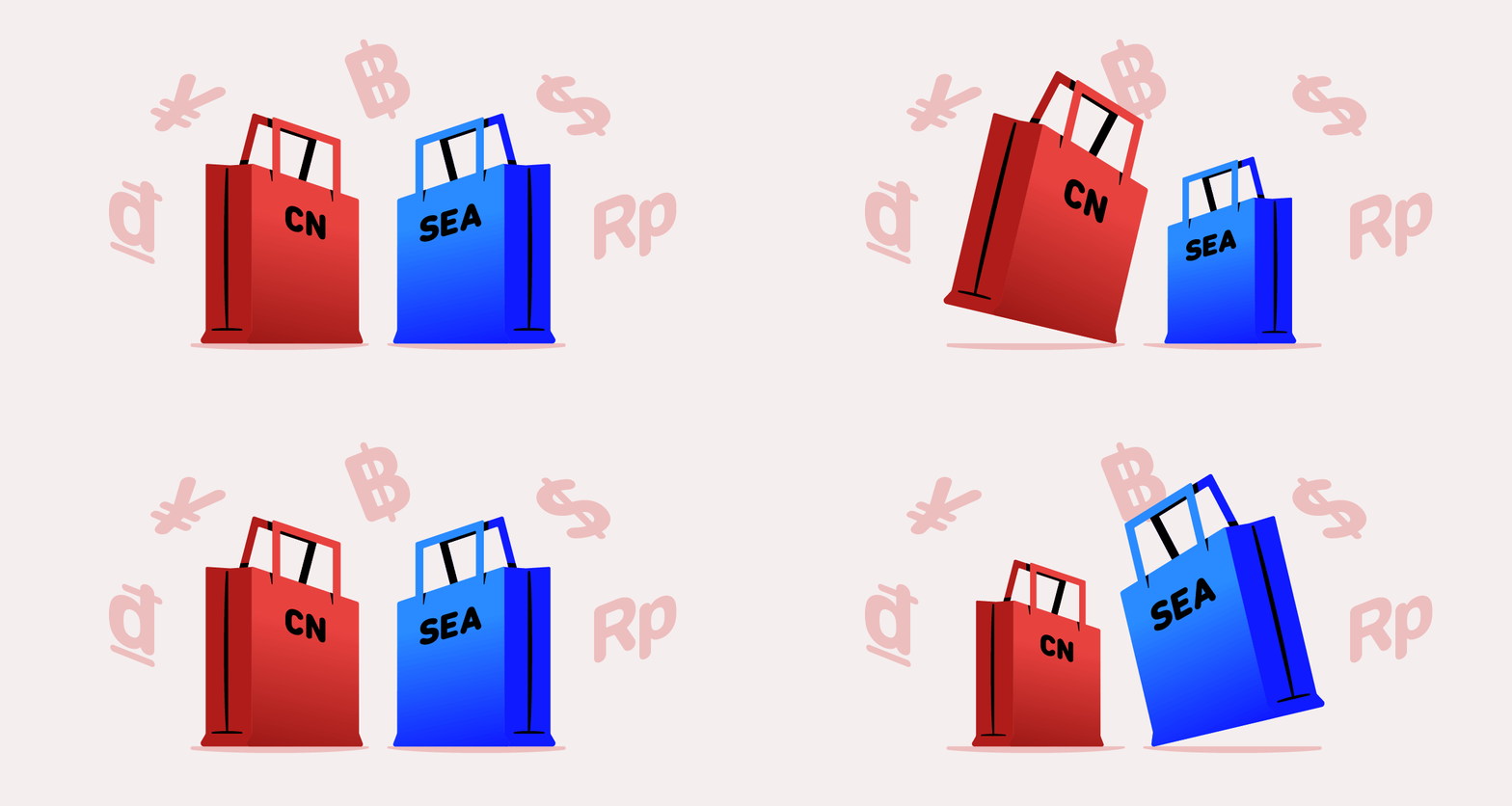
Image credit: Timmy Loen
The concept of globalization has been discussed to death, but it’s still playing out as we speak. In the grand scheme of things, local sellers in Southeast Asia taking advantage of platforms like Lazada and Shopee to sell regionally and internationally is a relatively recent phenomenon.
But with such a big pie, of course there will be many players, each with their own strengths and weaknesses. In a battle between Southeast Asia and China’s online retailers, who will win out?
- Hello, we’re here: According to Deloitte Research, 38.5% of Chinese cross-border ecommerce enterprises have entered the Southeast Asian market, including giants such as TikTok Shop, Shein, and Temu.
- Advantages: When catering to customers in Western nations, Southeast Asian brands frequently face challenges such as expensive shipping fees and lengthy delivery times. Meanwhile, Chinese brands benefit from a deep and efficient logistics ecosystem that can deliver a package to the US up to 3x faster than firms from Thailand or Malaysia.
- Disadvantages: Jurisdictions around the world, including those in Southeast Asia, are imposing or considering additional tariffs on small-value imports such as ecommerce orders. This measure is mainly designed to reduce the entry of low-quality products from China and ensure fair competition among online retailers.
Read more: Cross-border SEA sellers battle rise of Chinese platforms
News spotlight
Record Indian IPO incoming
Get the wisdom you need to build a business that lasts
Quick bytes





Stay updated on the go with our mobile app.
Get latest insights with smoother, more personalized experience through TIA mobile app.