- Premium Content It takes our newsroom weeks - if not months - to investigate and produce stories for our premium content. You can’t find them anywhere else.
 Jofie Yordan · · 8 min read
Indonesian startups chasing growth test waters in the Gulf
The funding winter has forced startups in Southeast Asia to rethink their expansion strategies.
Instead of taking the usual route of entering India or China, many Indonesian startups are setting their sights on the Middle East, specifically the Gulf countries. These include coffee chain Kopi Kenangan, AI conversation firms Kata.ai and Mimin, logistics provider Kargo Technologies, and smart IoT company TaggIoT.
Indeed, startup funding in Indonesia has been on a decline since 2021. In 2025, funding totaled only around US$700 million – the lowest level in the last nine years – across just 69 deals, according to the Tech in Asia database.
There are also market conditions in the Middle East that are hard to find in Southeast Asia, such as stronger purchasing power and higher B2B contract values. At the same time, governments across the Gulf are actively diversifying their economies away from oil, steering them toward finance and tech.
Vision 2030, for instance, is Saudi Arabia’s road map to becoming a leading global tech hub by 2030. Aside from creating new opportunities for startups, the plan is driving demand for AI, fintech, and enterprise software.
However, is expanding to the Gulf sustainable in the long term for Indonesian startups? Or is it merely a short-term effect of the funding winter?
A blue ocean
Historically, Indonesian and other Southeast Asian startups expand first to India or China due to the markets’ scale and the maturity of those ecosystems. However, both countries have become increasingly difficult for foreign entrants to crack.
Joseph Simbar, co-founder and CEO of Mimin, says entering China is difficult due to the language barrier, cultural differences, and strict regulations. Meanwhile, India has an intensely competitive market with many established players.
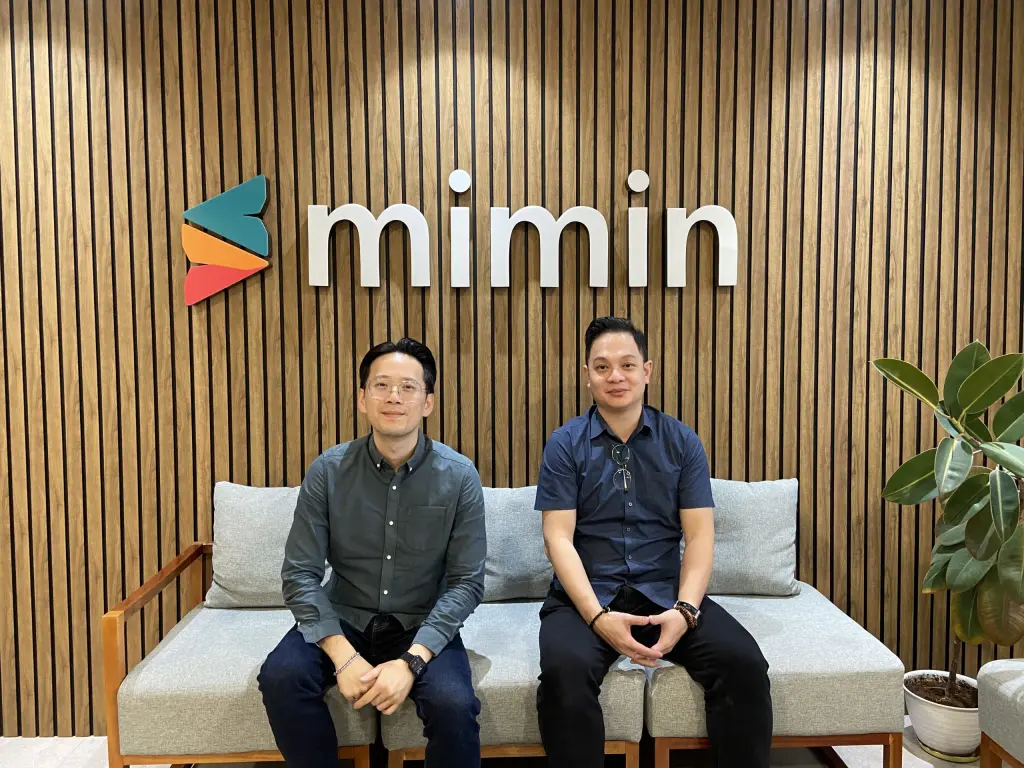
Mimin CEO Joseph Simbar (left) and COO Bayu Eka Putra / Photo credit: Mimin
For Mimin and rival Kata.ai, the Middle East is a blue ocean, even though the infrastructure and clientele are already in place.
Kata.ai secures higher contract values in Dubai, where it expanded in July 2025, than it does in Indonesia. This means the company’s clients in the Emirati city are 5x to 10x more profitable than those in its home market, according to co-founder and CEO Irzan Raditya.
“It’s the same effort but with higher gross margins, higher profit, and higher lifetime value,” he says.
Capital sourcing
Gateway to expansion, market for scaling
Not a walk in a park
Stay ahead in Asia’s tech landscape
This is premium content. Subscribe to read the full story.
Is this the start of a major shift or are companies just experimenting amid a funding squeeze?
We know this is not ideal. ⌛ Sign up in 20 seconds. Cancel anytime.
Our subscriber community includes professionals from these companies:





Stay updated on the go with our mobile app.
Get latest insights with smoother, more personalized experience through TIA mobile app.