Malavika Velayanikal · · 2 min read
How safe are Delhi streets? Uber ties up with SafetiPin to audit street safety
Uber has come under intense scrutiny since the rape of a passenger in Delhi two months ago. From its driver screening process to emergency response system, a lot was found wanting. Now Uber has turned the tables on its interlocutors by putting the spotlight on whether the streets of Delhi are safe for women, and what the city authorities can do about it.
The global taxi app, which raised another billion dollars in funding last week, has tied up wih SafetiPin, a map-based mobile app, for a safety audit of Delhi. This will be followed by safety audits in Bogota, Colombia and Nairobi, Kenya, says an Uber blog post.
SafetiPin tags streets and localities in a city with safety scores based on nine parameters: lighting, visibility, openness, transport infrastructure, walk paths, police patrolling, gender diversity, people density, and feeling of security. SafetiPin auditors, as well as users of the app, total up the scores after on-the-ground verification.
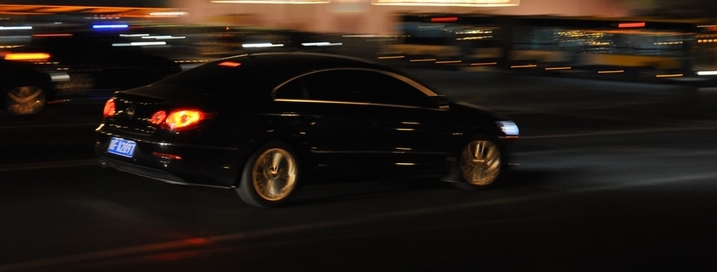
The data collection is where Uber comes into the picture, letting SafetiPin use its network of drivers and cars for the safety audits. Smartphones mounted on the exterior of cabs will also capture night-time photographs of streets and localities. The city government and planners can utilise this data “to strengthen the safety conditions of any given area (for example, with additional street lighting),” says the Uber blog.
SafetiPin says its tags can help users become aware of unsafe locations and choose safer routes. “SafetiPin is a free app that women and others can use to view their city from the perspective of safety. The association [with Uber] will provide us with a much larger data set that would otherwise not have been possible,” says Ashish Basu, founder of SafetiPin. An audit of the route taken by the Uber driver who raped his passenger found that long stretches were very poorly lit, and visibility was further reduced by the December smog.
SafetiPin gets its name from a tool women in India often use to keep creeps at bay in crowded public transport – a safety pin.
See: I fell for Uber’s safe image because I didn’t – and still don’t – have better options
Editing by J.T.Quigley
(And yes, we’re serious about ethics and transparency. More information here.)





Stay updated on the go with our mobile app.
Get latest insights with smoother, more personalized experience through TIA mobile app.